Buck’s Charisse Box

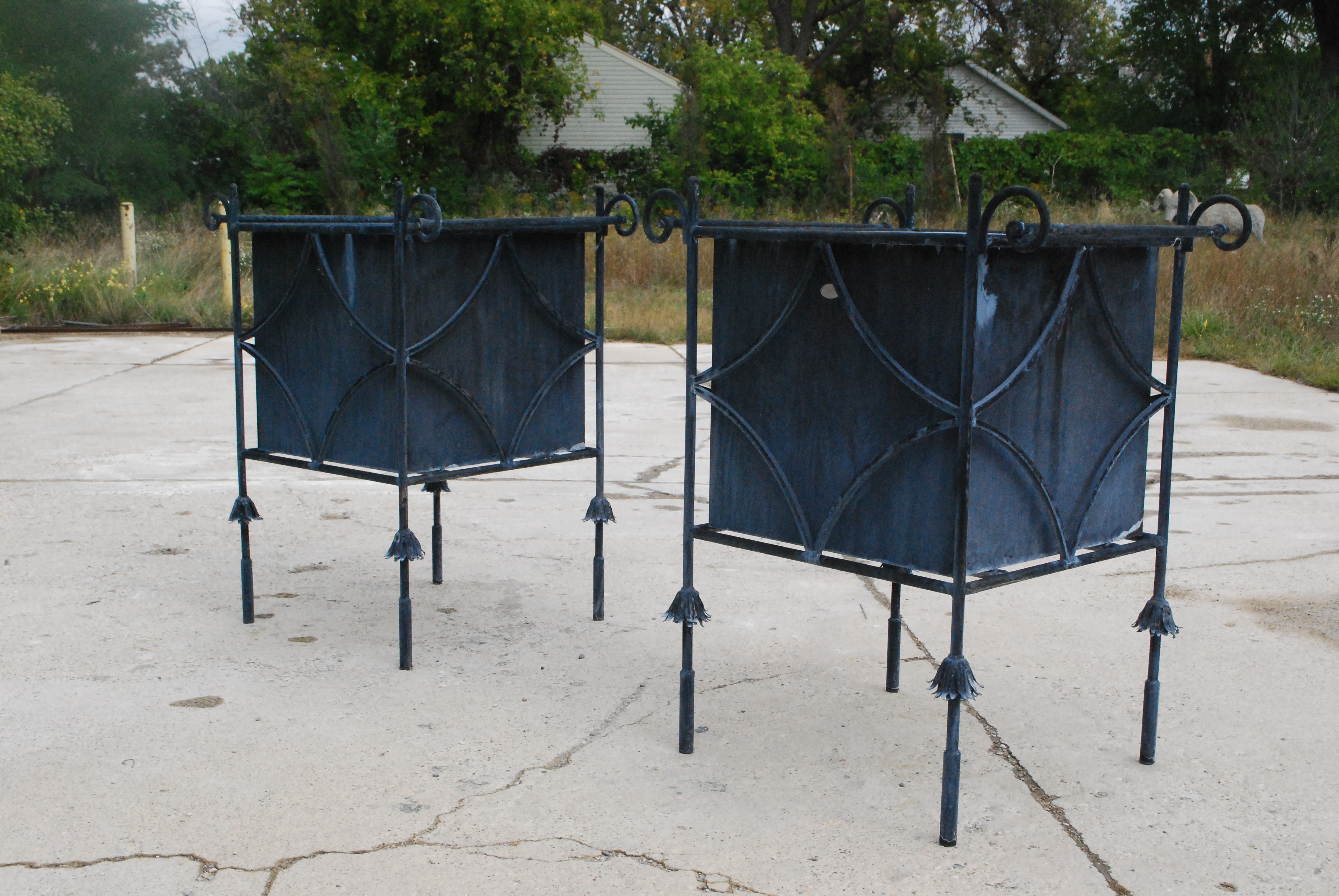
I am so very pleased that one of our Branch boxes is featured in an article written by Marian McEvoy in this weekend’s Wall Street Journal.  Even though I have already written about it on the Detroit Garden Works facebook page, there is a story behind the design, development and fabrication of a container for a garden that might be of interest.      

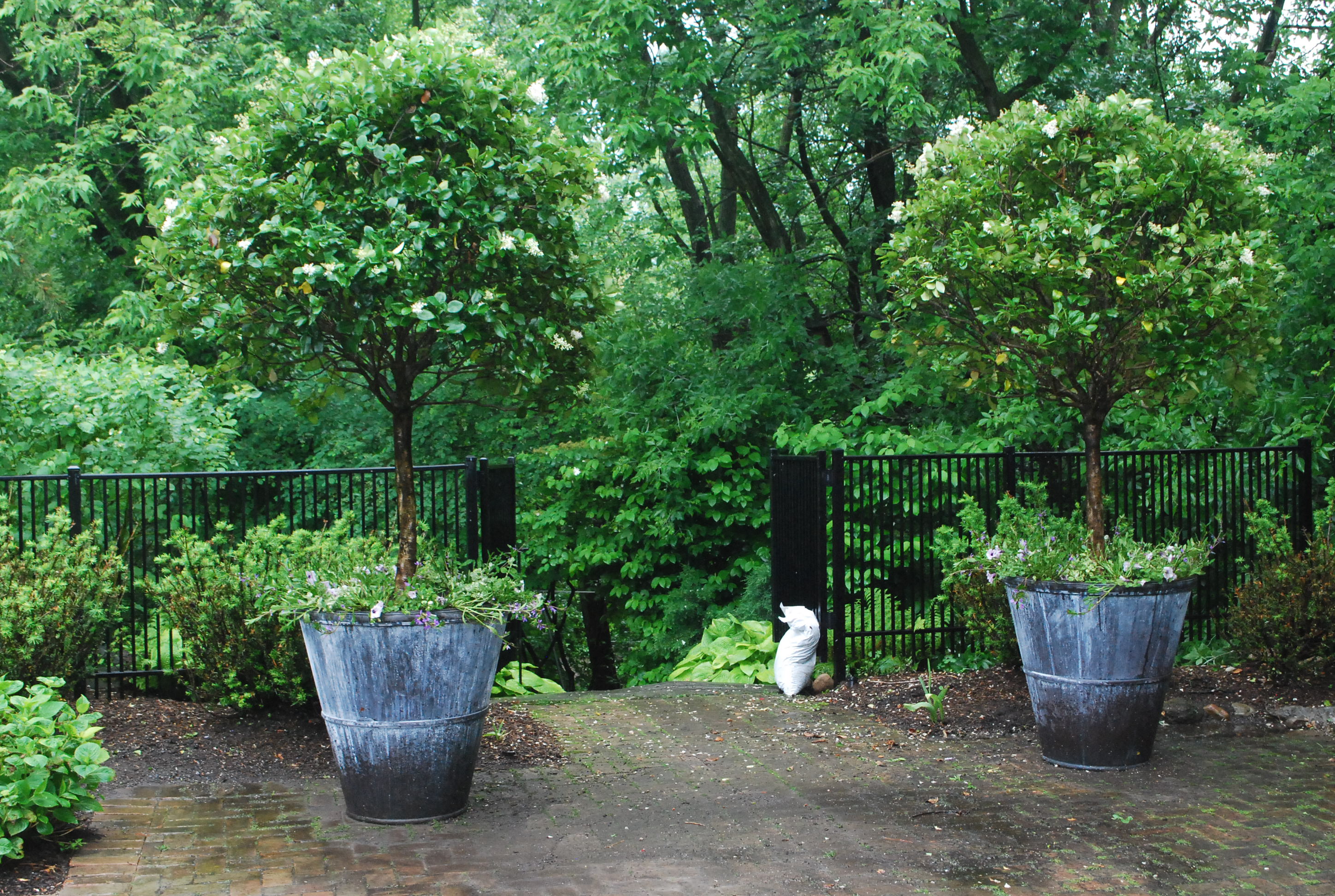
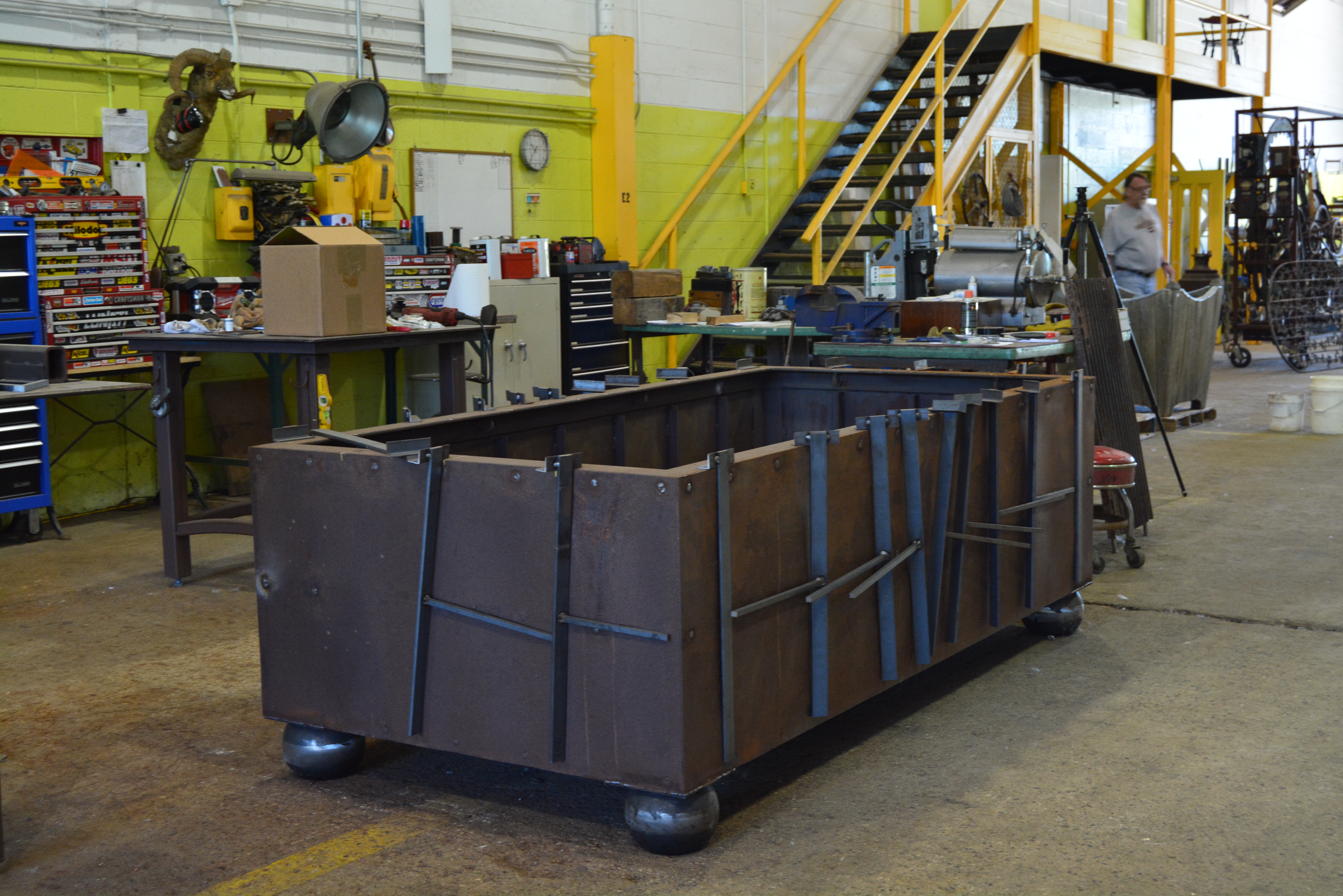
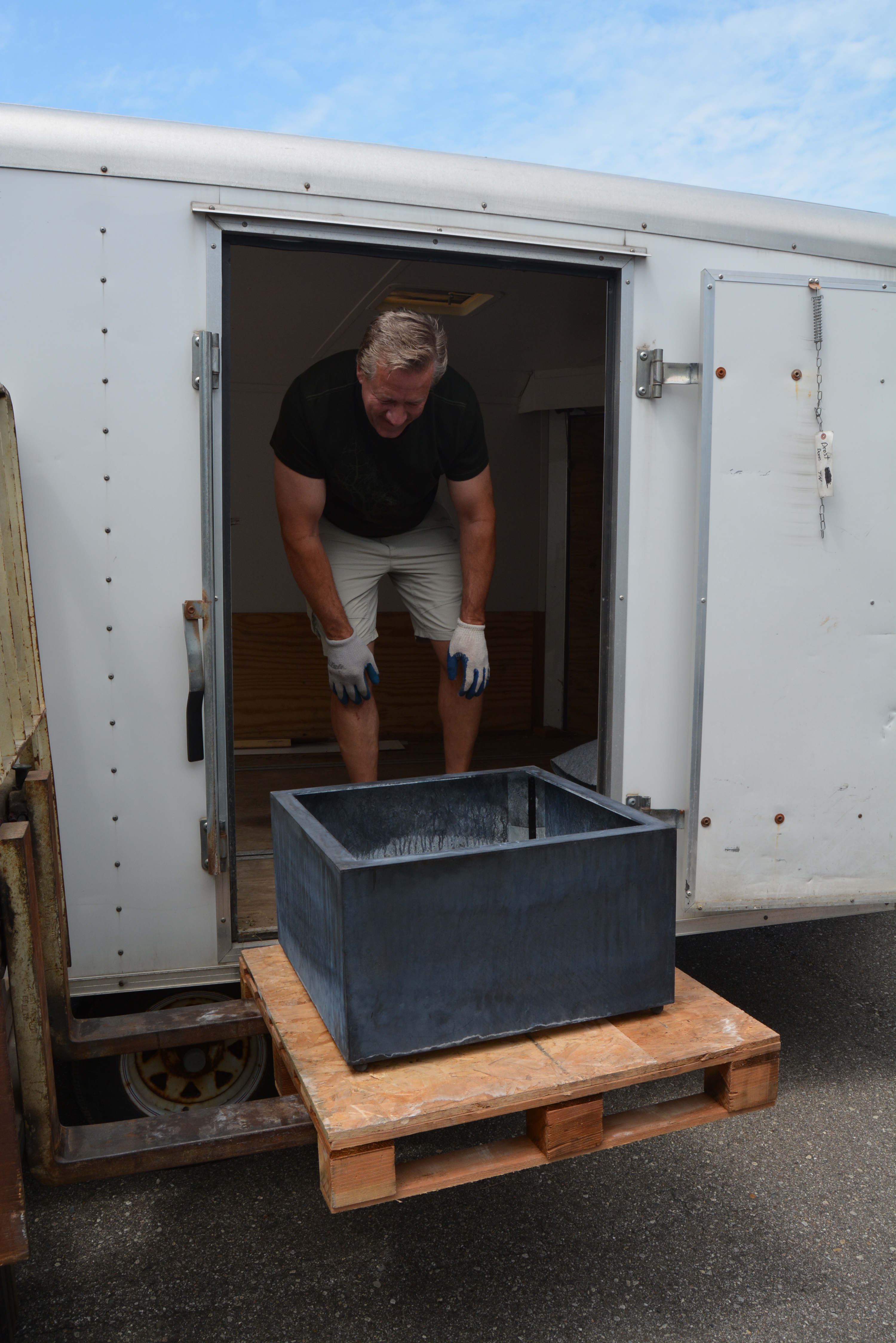
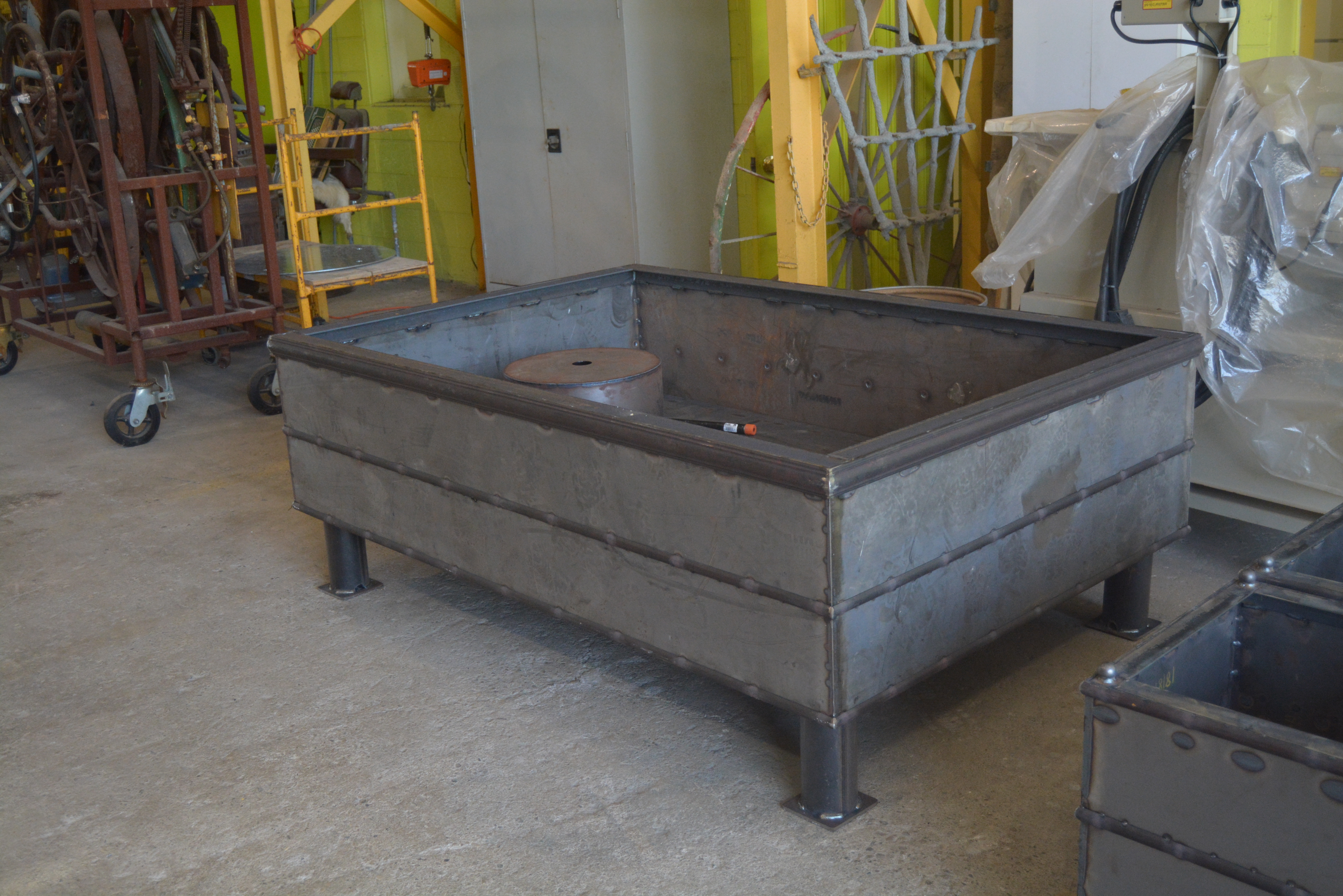
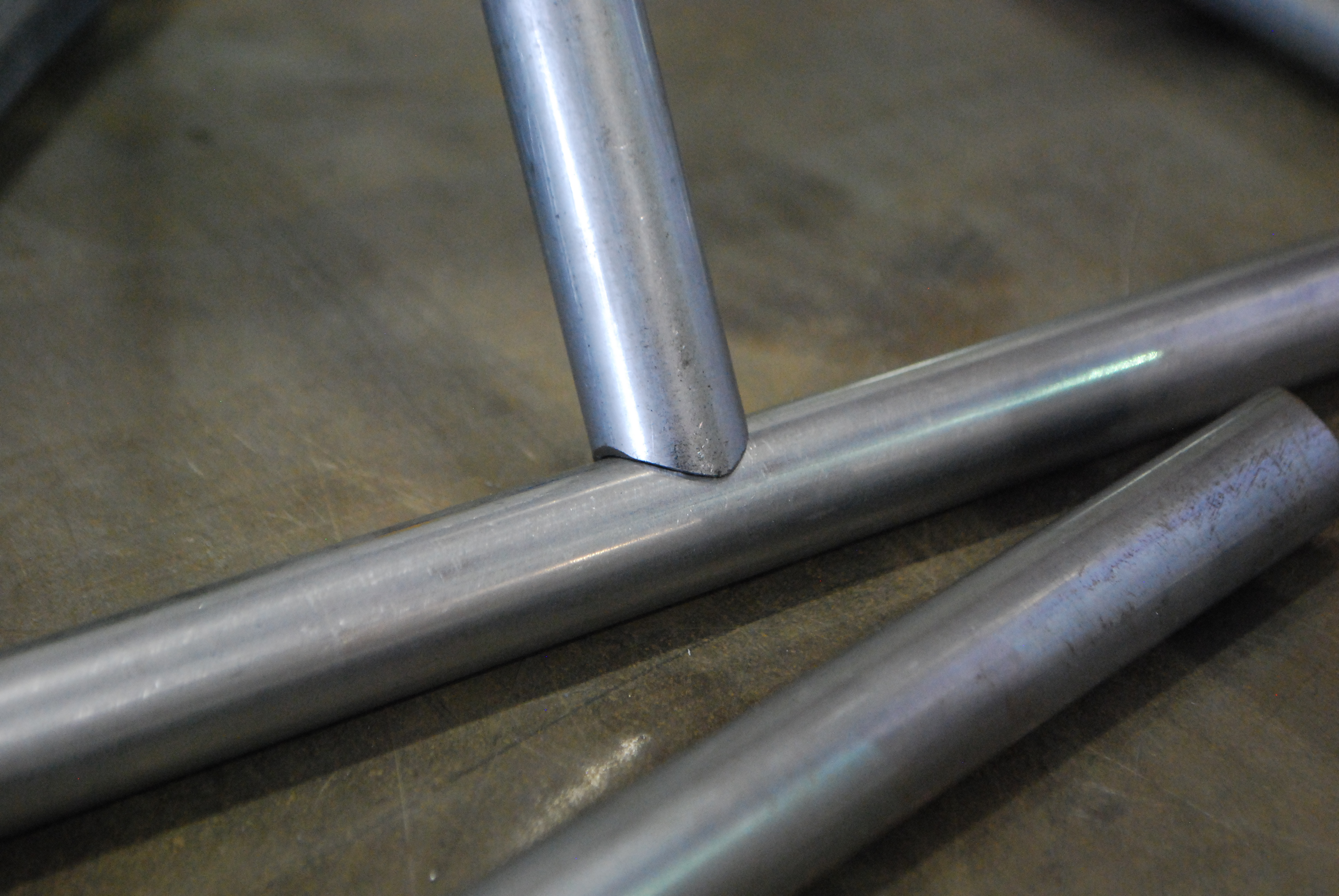
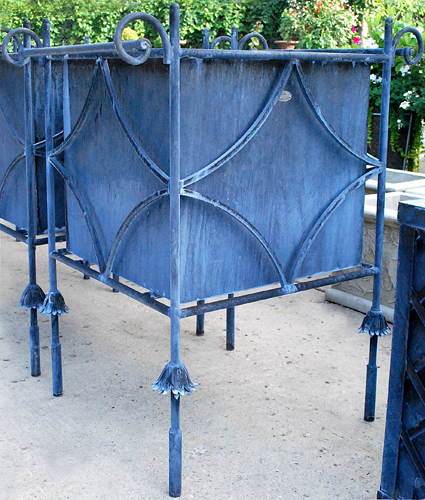
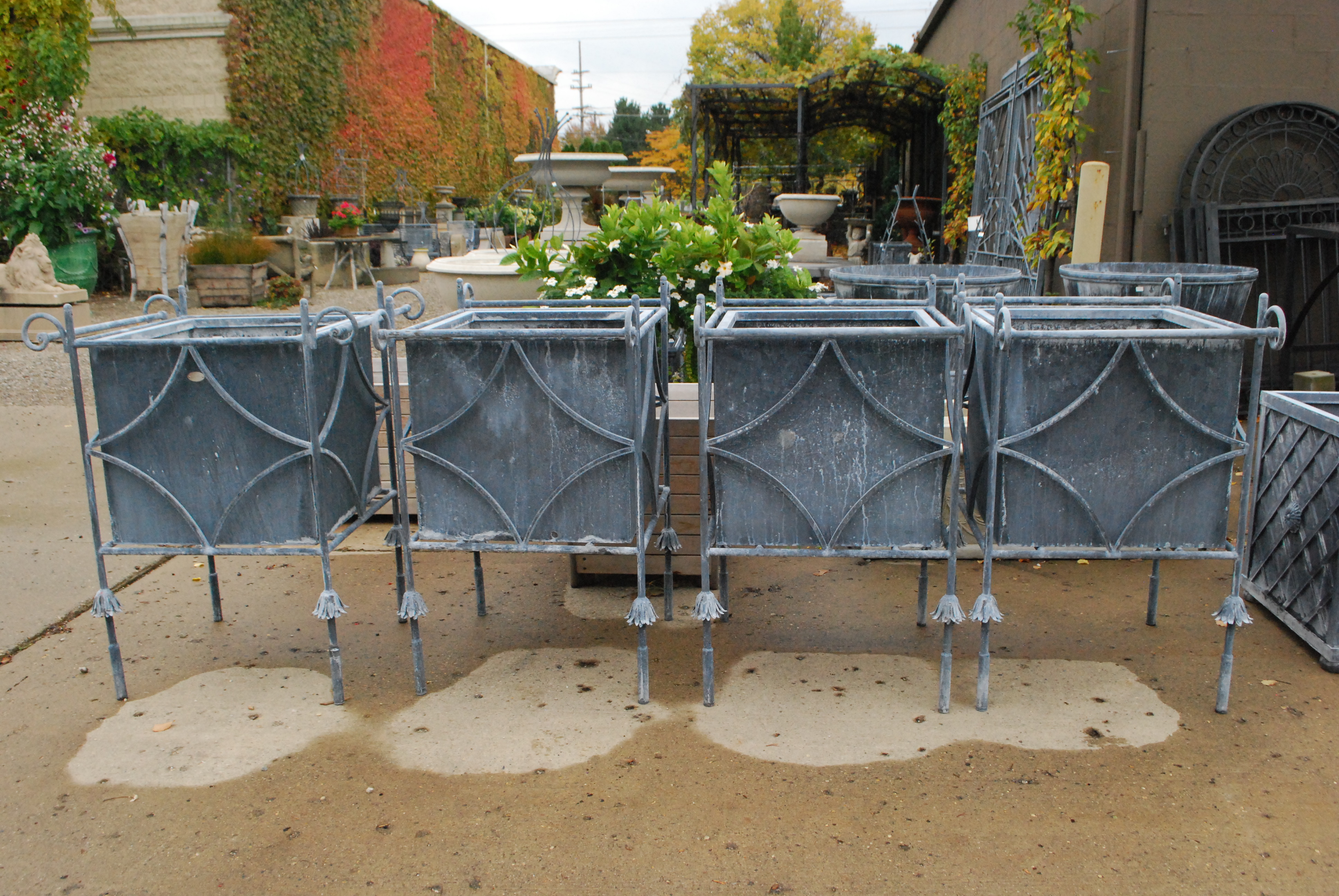
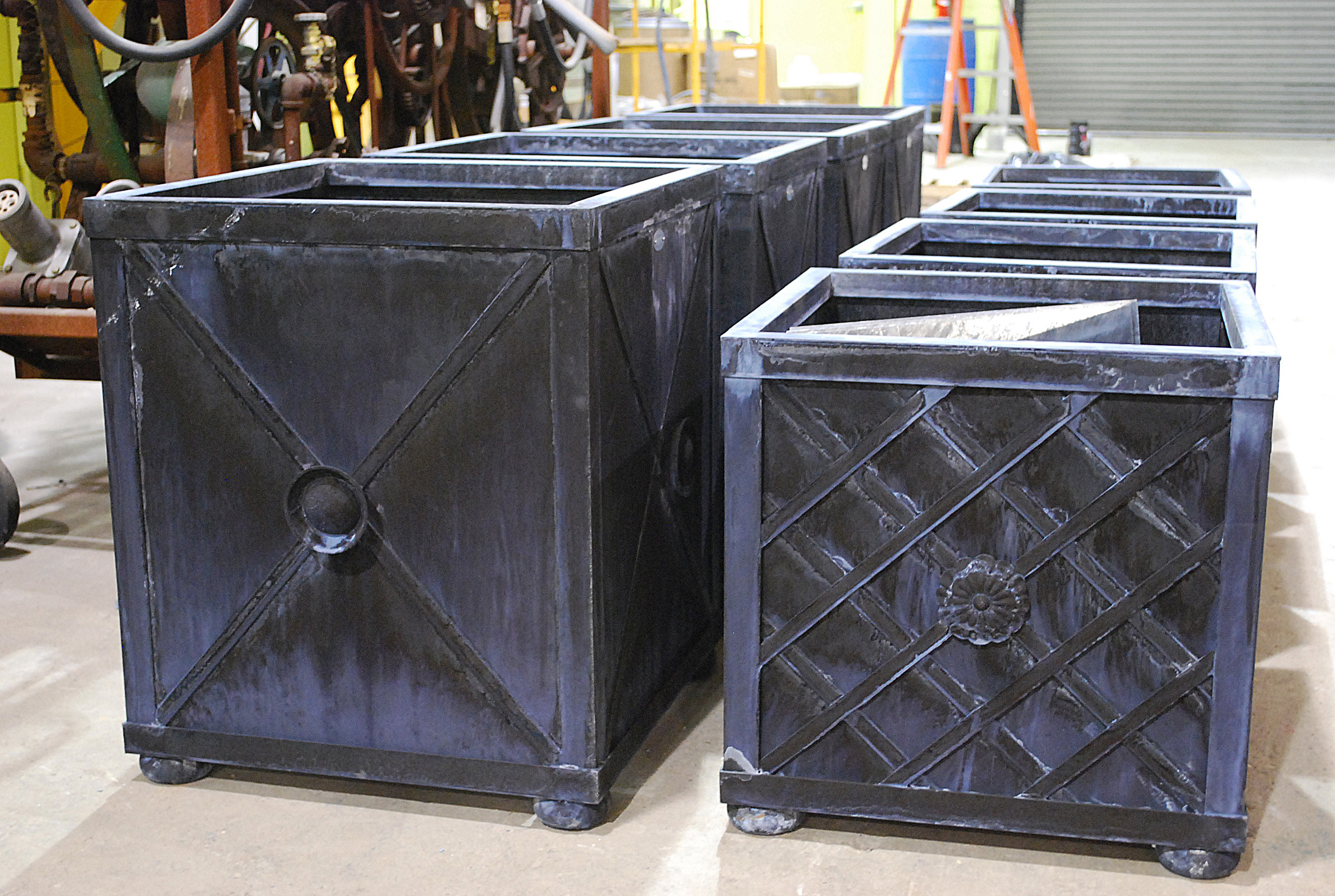
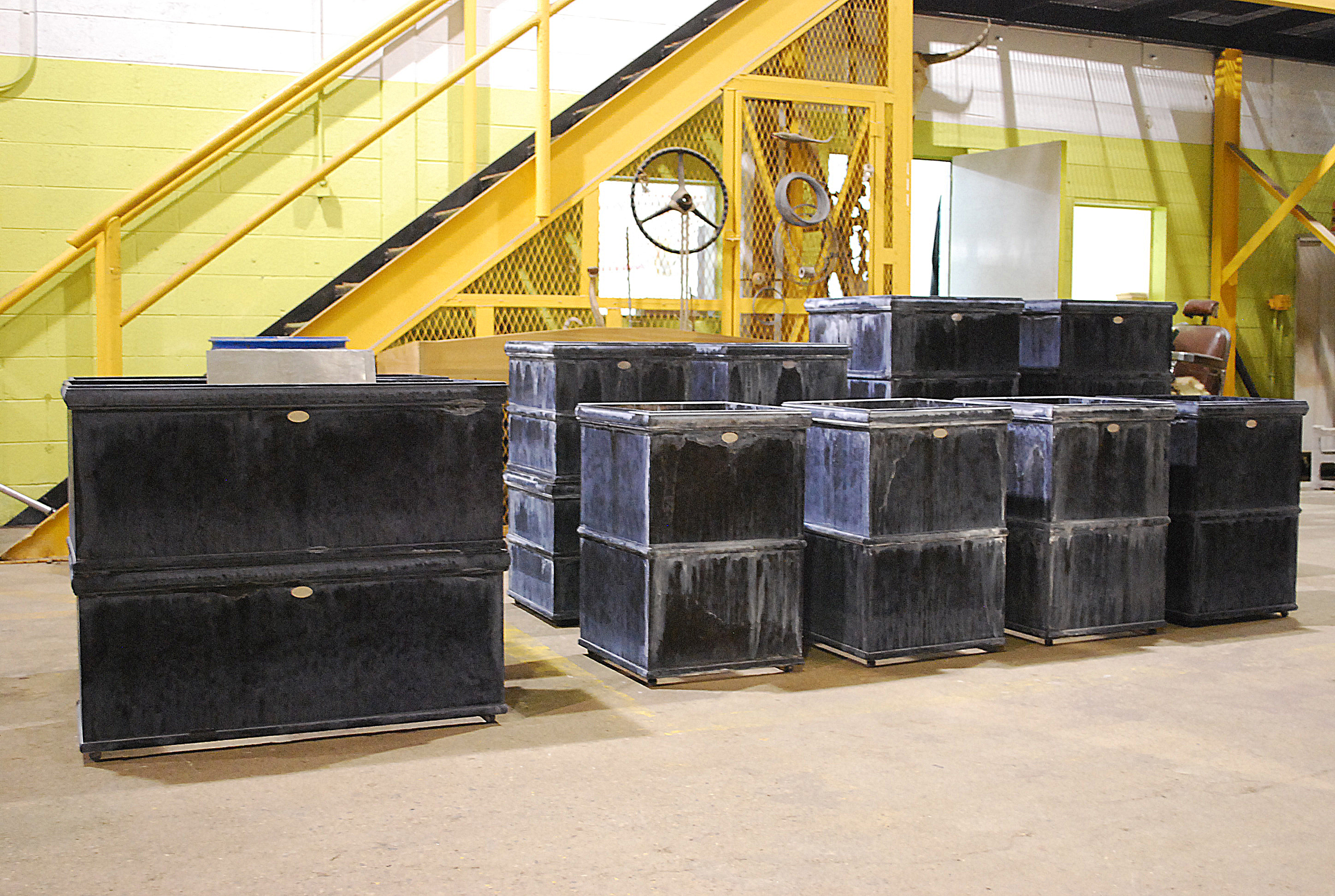
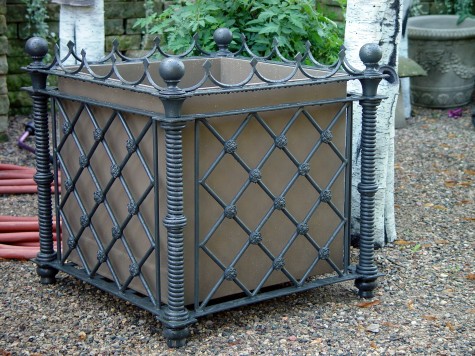
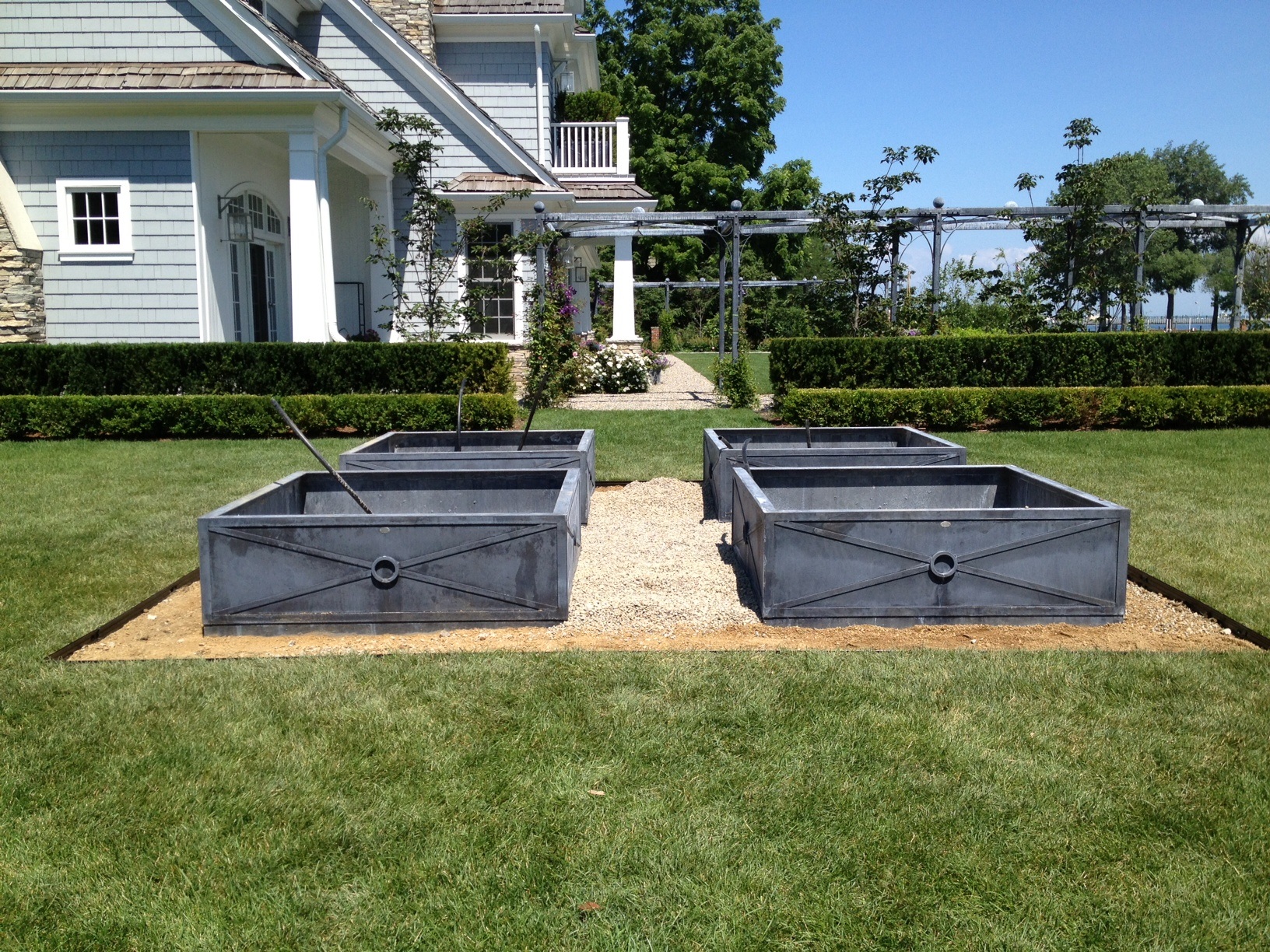
First off you need a building-a studio.  That studio needs tools both big and little.  A few five ton bridge cranes have turned out to be very helpful.  But most of all you need people who can turn an idea into an object. I have always wanted to design and fabricate beautiful containers and ornament for the garden.  A container that can withstand any climate or season, from the salt air in Florida to the heat in Texas and the cold in Minnesota, is a container that can provide many years of service.  Given that lead, that classic material for garden ornament, sculptures and containers has become incredibly costly, steel with a finish that brings the color of lead to mind seemed like a good idea.  The Charisse box is not so easy to fabricate.  The frame and handles are made of both tubular and solid round lengths of steel.  Welding one section to another requires a lot of cutting and precise fitting.  Sal, Dan and Buck fabricate for Branch, but these were Buck’s to make.    

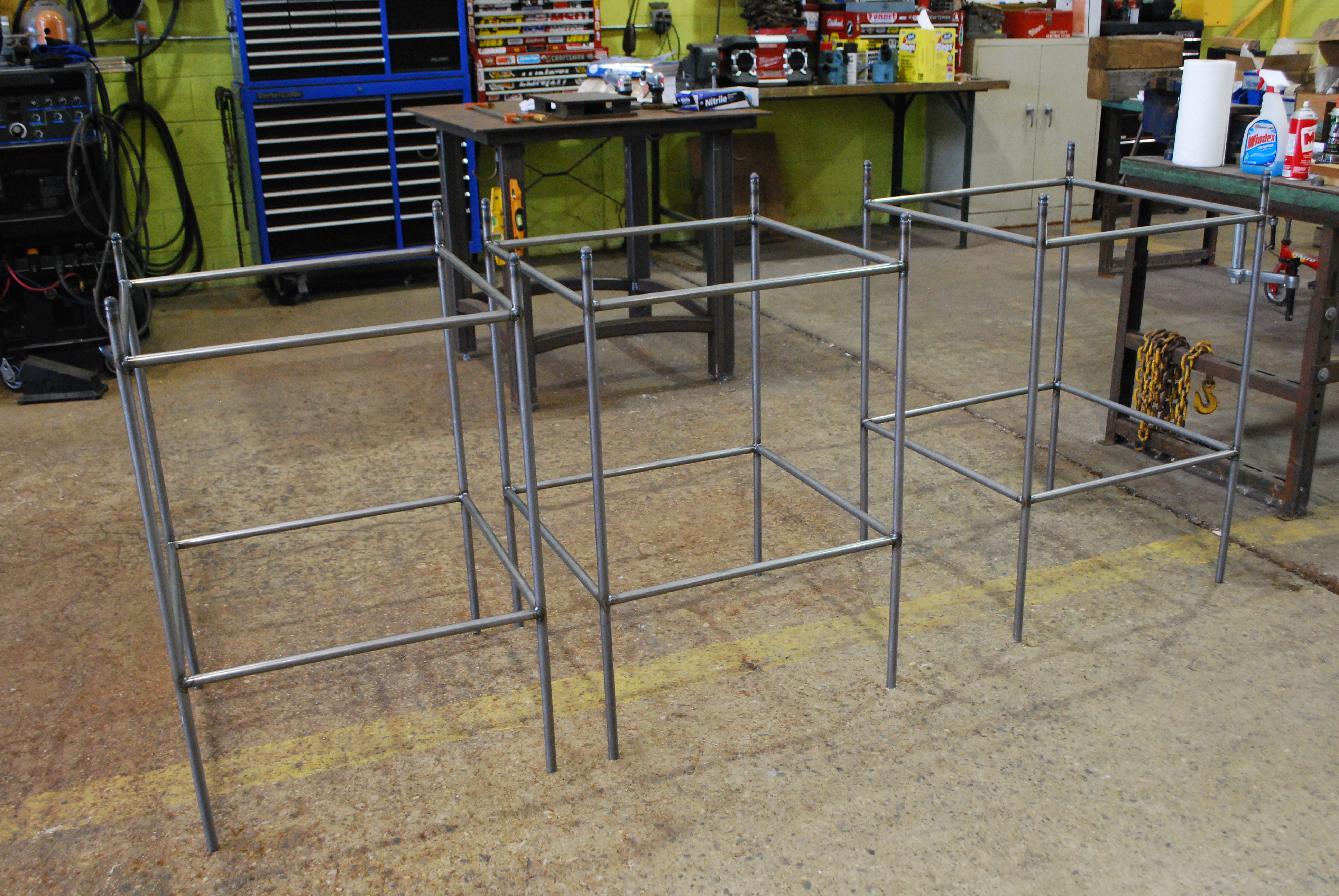
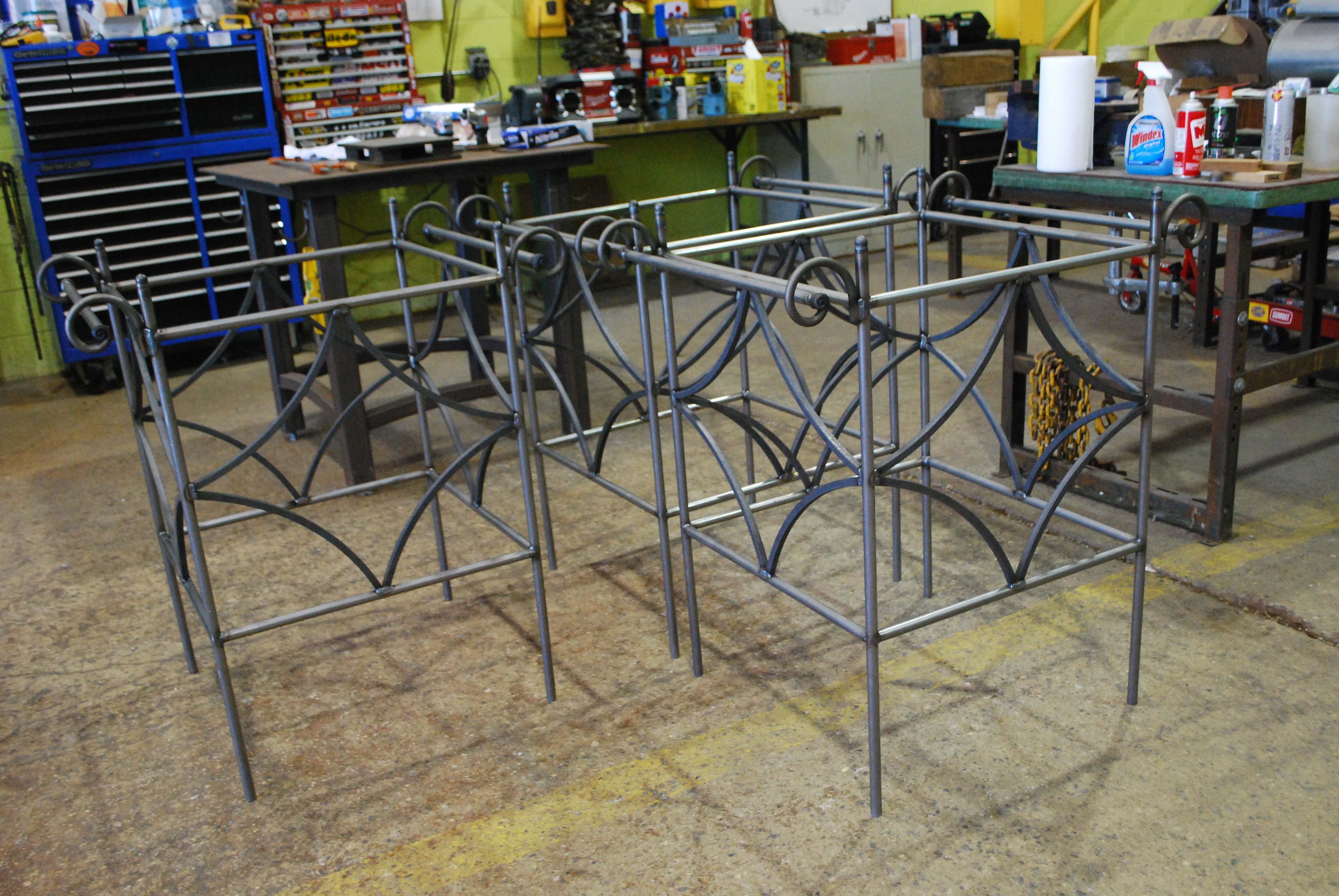
Each box is assembled from a lot of pieces that need to be cut fairly close to perfect.  Mistakes in the length and angles of a piece, times many pieces, can add up to a box that bears no resemblance to square. The only square stock in the frame is a diamond, welded from curved lengths of steel.  Buck’s other boxes have a simple and solid design.  I was interested in making one box that was a more graceful.  Making steel look graceful is not so easy. 

It took quite some time just to get the frame together, square and true.  Since the original Charisse boxes were made in 2005, changes have been made.  Though Buck does multiple CAD drawings for everything he builds, the finished box tells the tale.  Certain dimensions have been altered.  It takes more time than I ever thought it would to get the size and proportion of a box just where it should be     

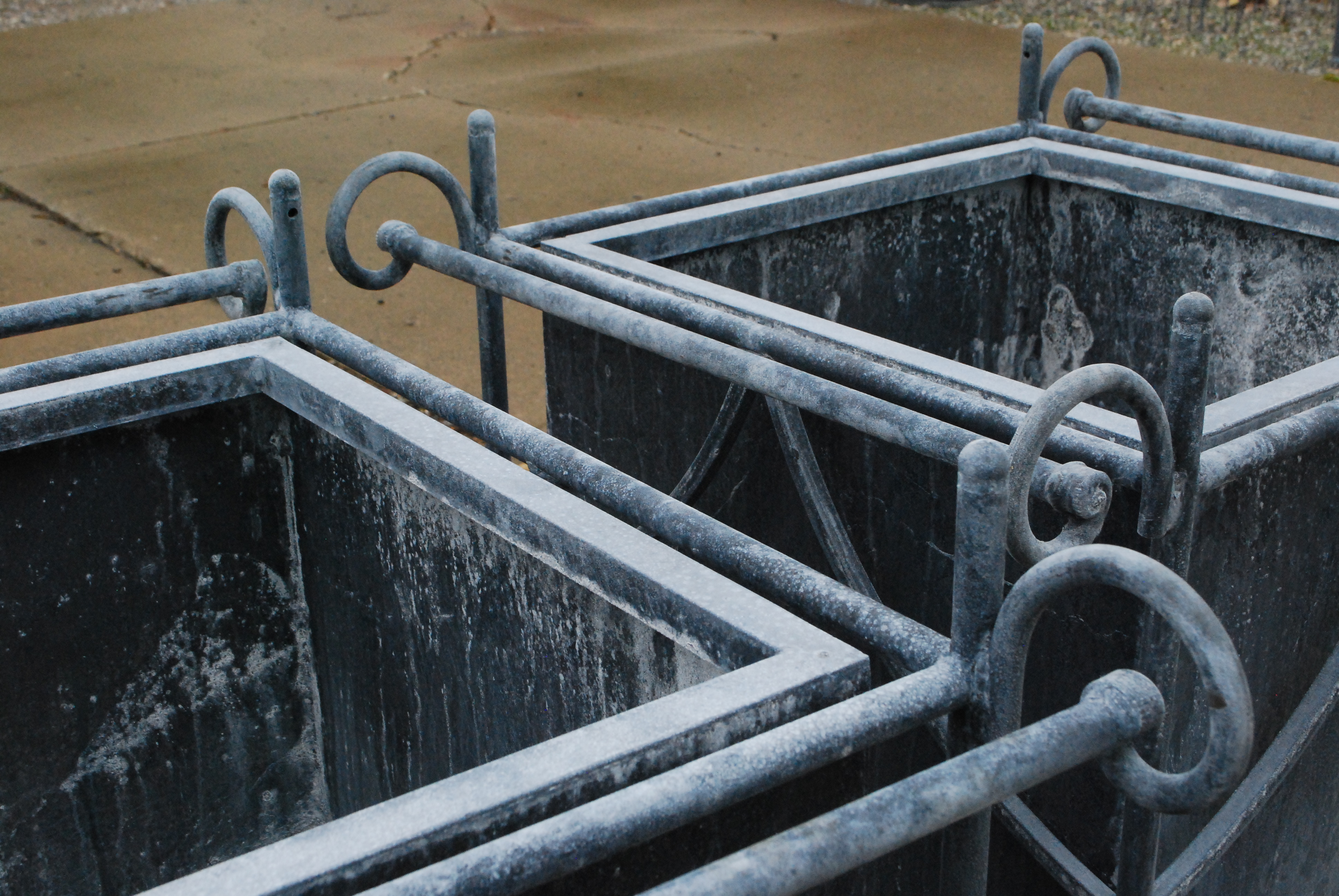
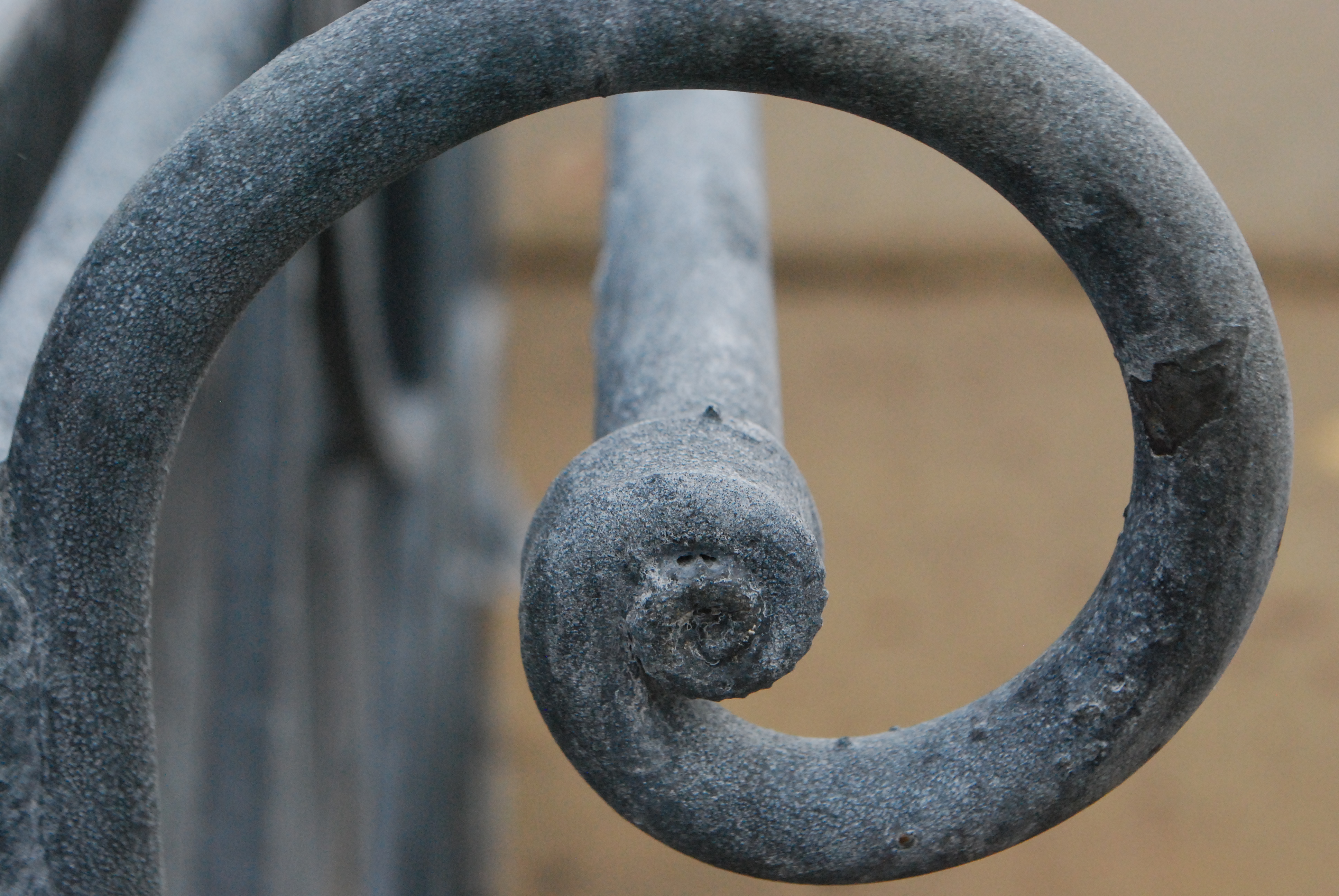
The scrolled steel handles and diamonds came next.  The tops of the tubular steel has small steel shperes welding to them as a finishing touch.  Steel straps are welded to the bottom of the frame, to hold the steel box that would slip inside the frame.

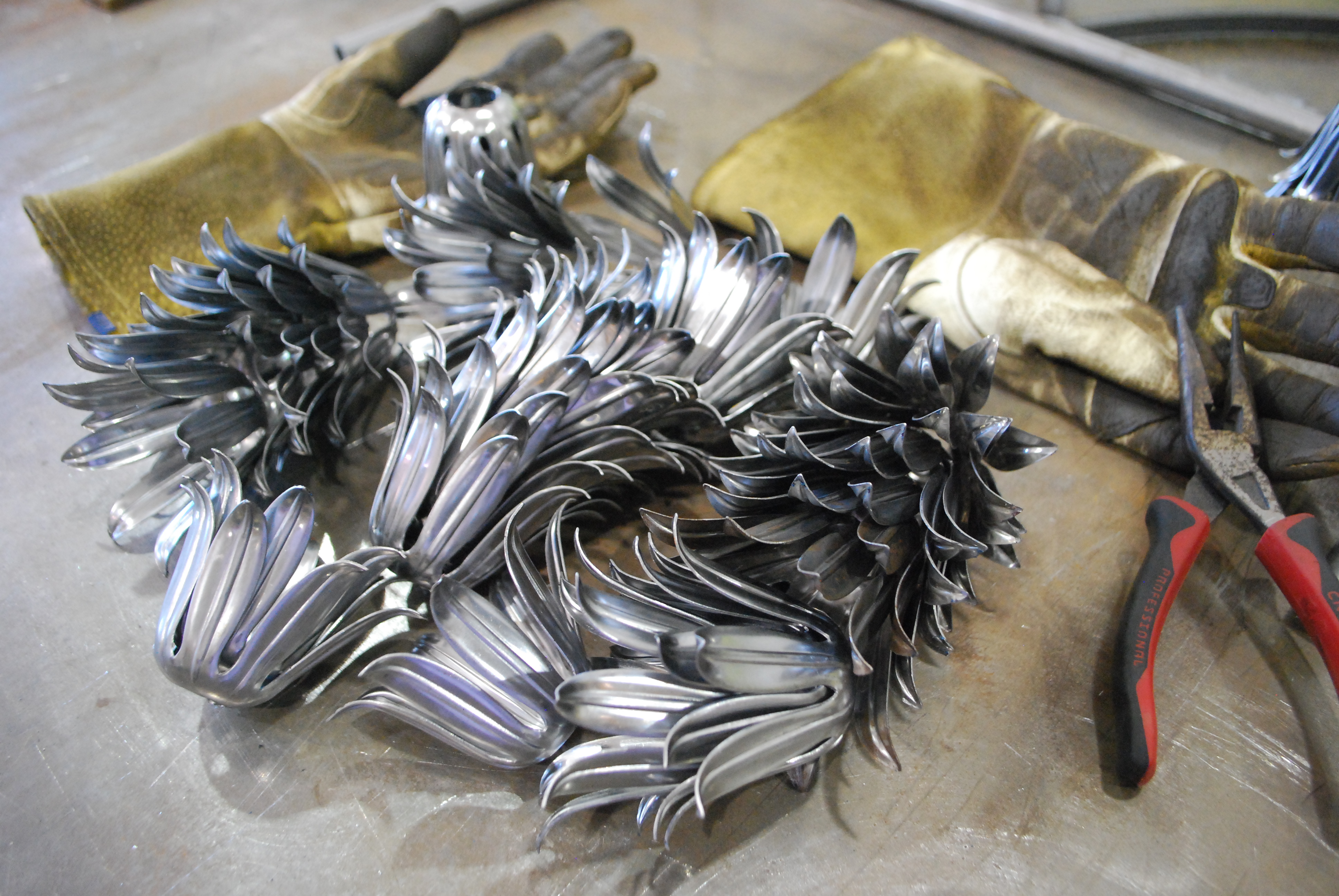
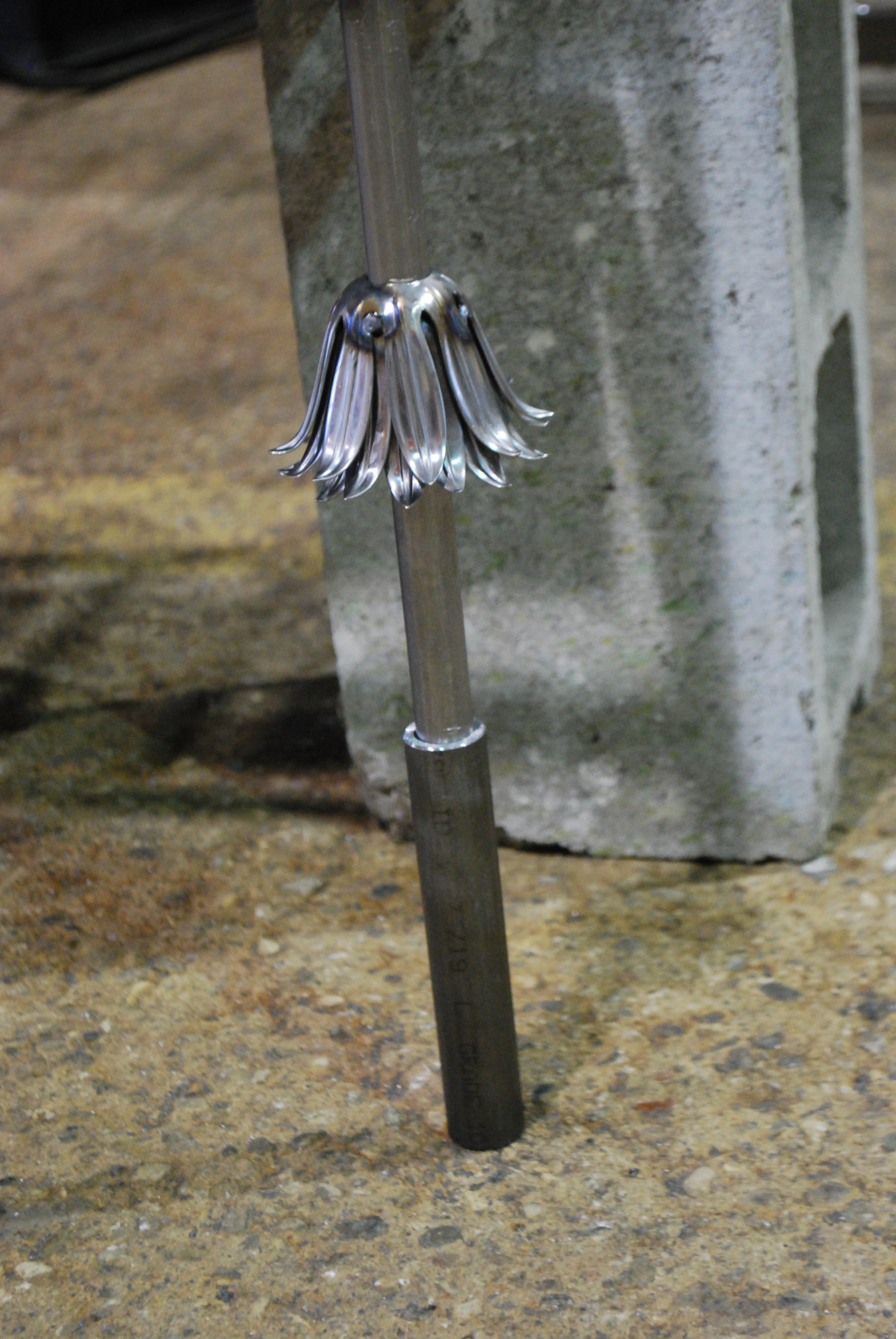
The legs have an inverted flower detail.  Each leg has several of them welded together, for strength.

The bottom of the leg has a sleeve of thicker and larger steel, for stability.  This is a very heavy box, supported by very slender legs. 

There are plenty of details, and lots of curves. 

handle detail

snail scroll handles

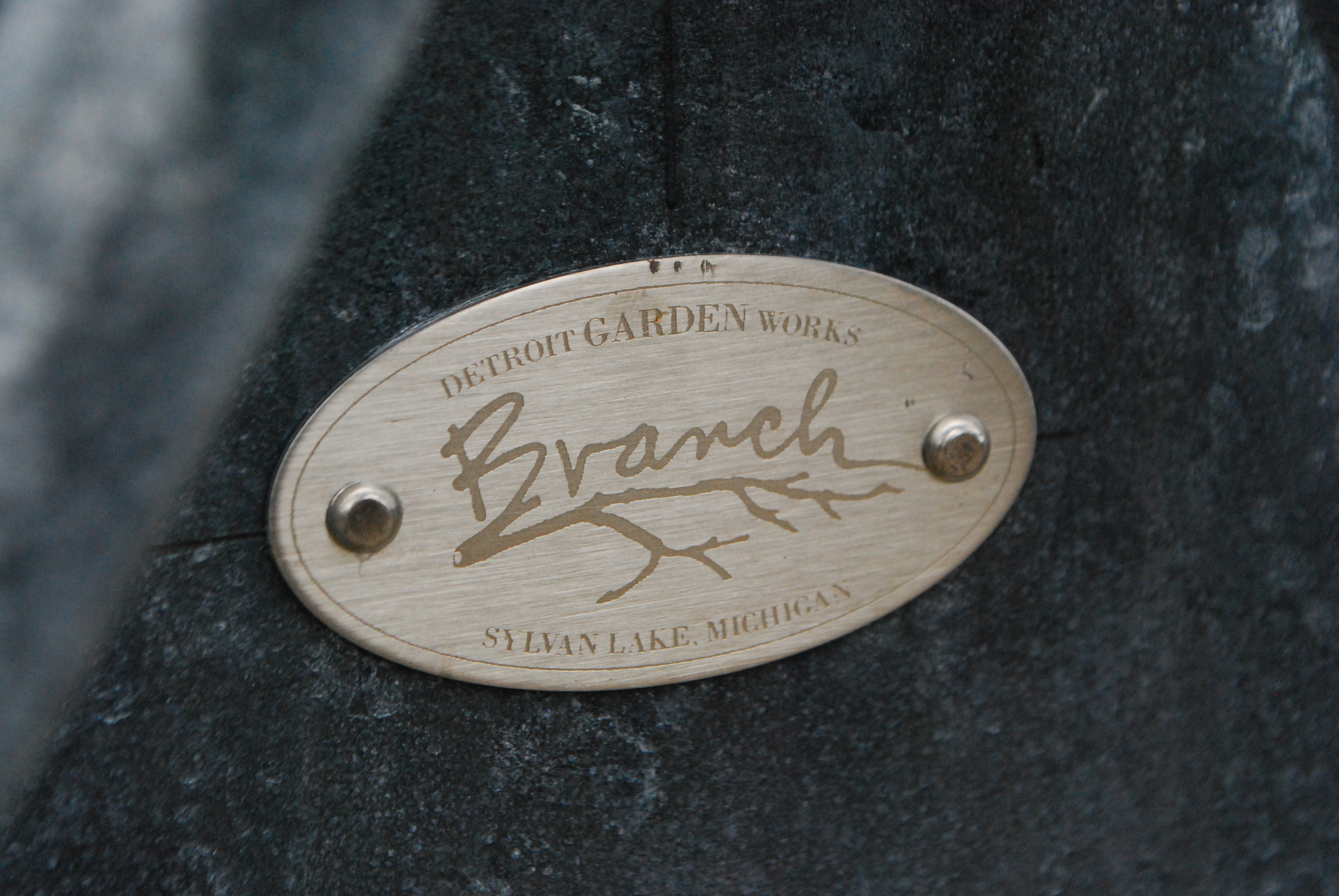
the Branch Studio tag

The article is a very interesting and well written discussion of containers in the garden, and garden containers that will withstand fall and winter weather.  Containers filled with plants in the landscape in all of the seasons sounds appealing.  Something in the landscape to look at besides snow on the ground and gray skies is a good plan.  That Buck’s Charisse box would be on her list of beautiful and weather-worthy containers -all of us are really thrilled about that.  
WSJ.com – Hot Pots For the Chilly Lot


More From Buck, At Branch

steel orangery boxes

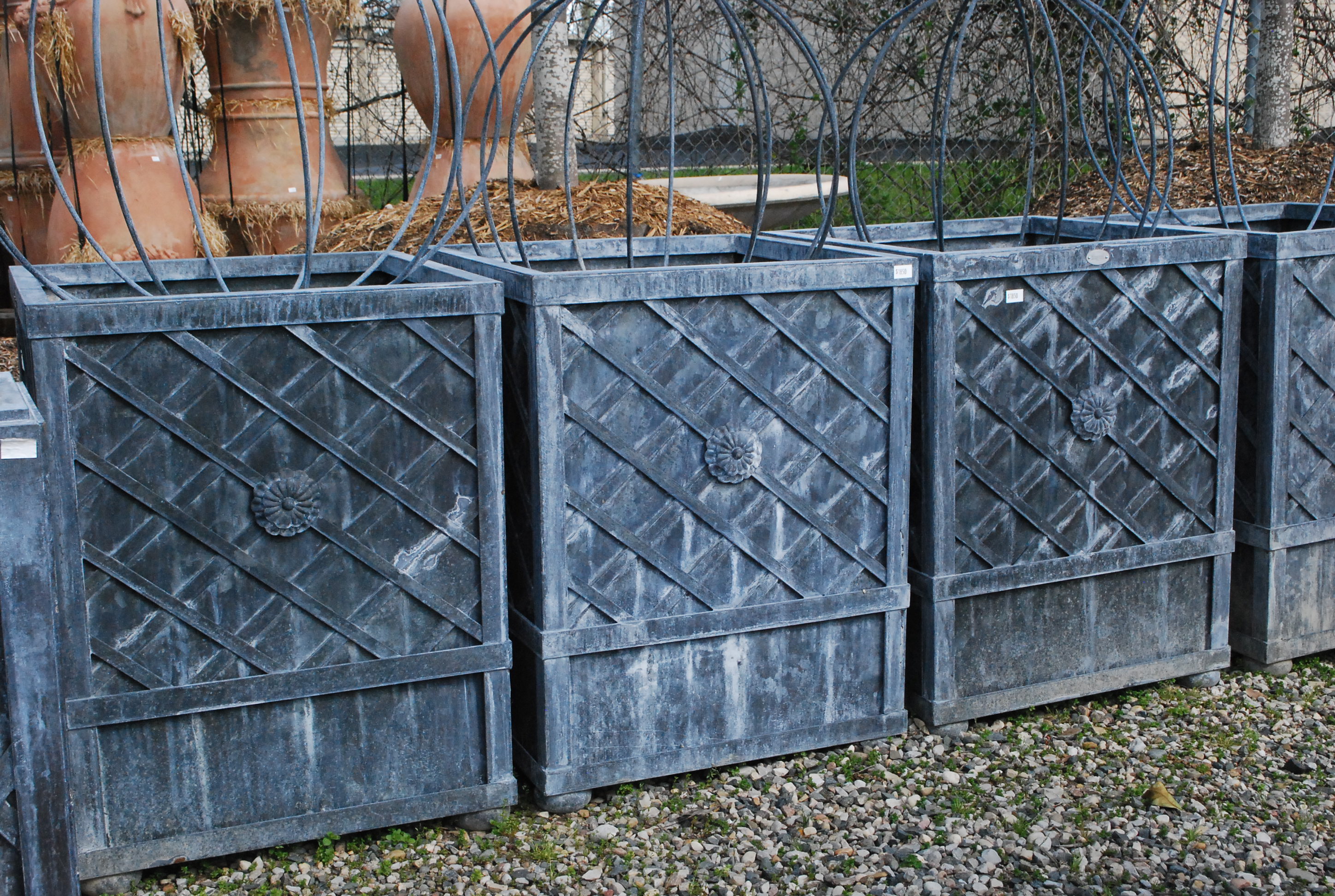
tall lattice boxes

branch studio

tall lattice box

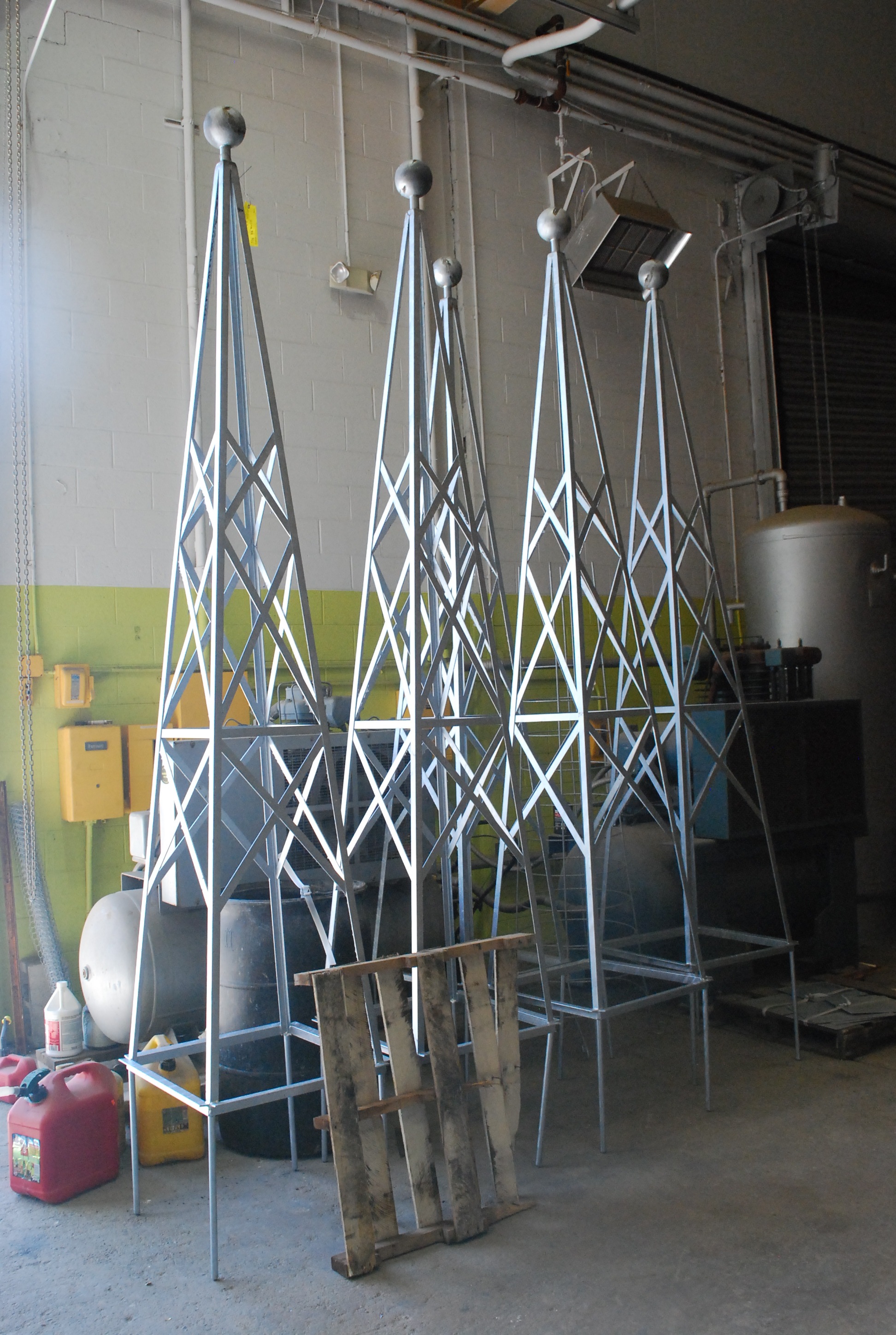
steel topiary forms

oil derrick topiary towers

steel tuteurs

oil derrick topiary towers, finished

steel containers

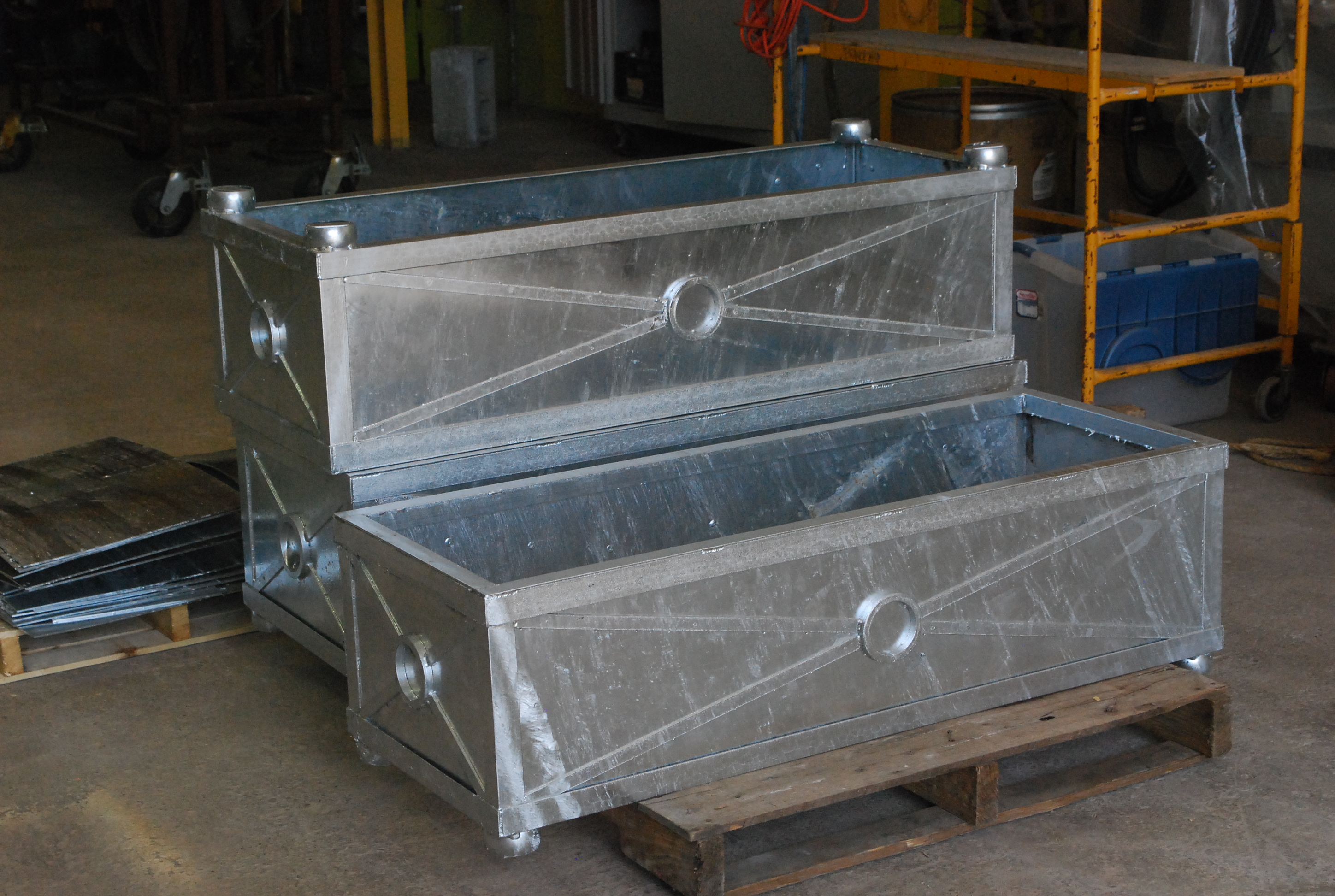
steel planter boxes

planter boxes

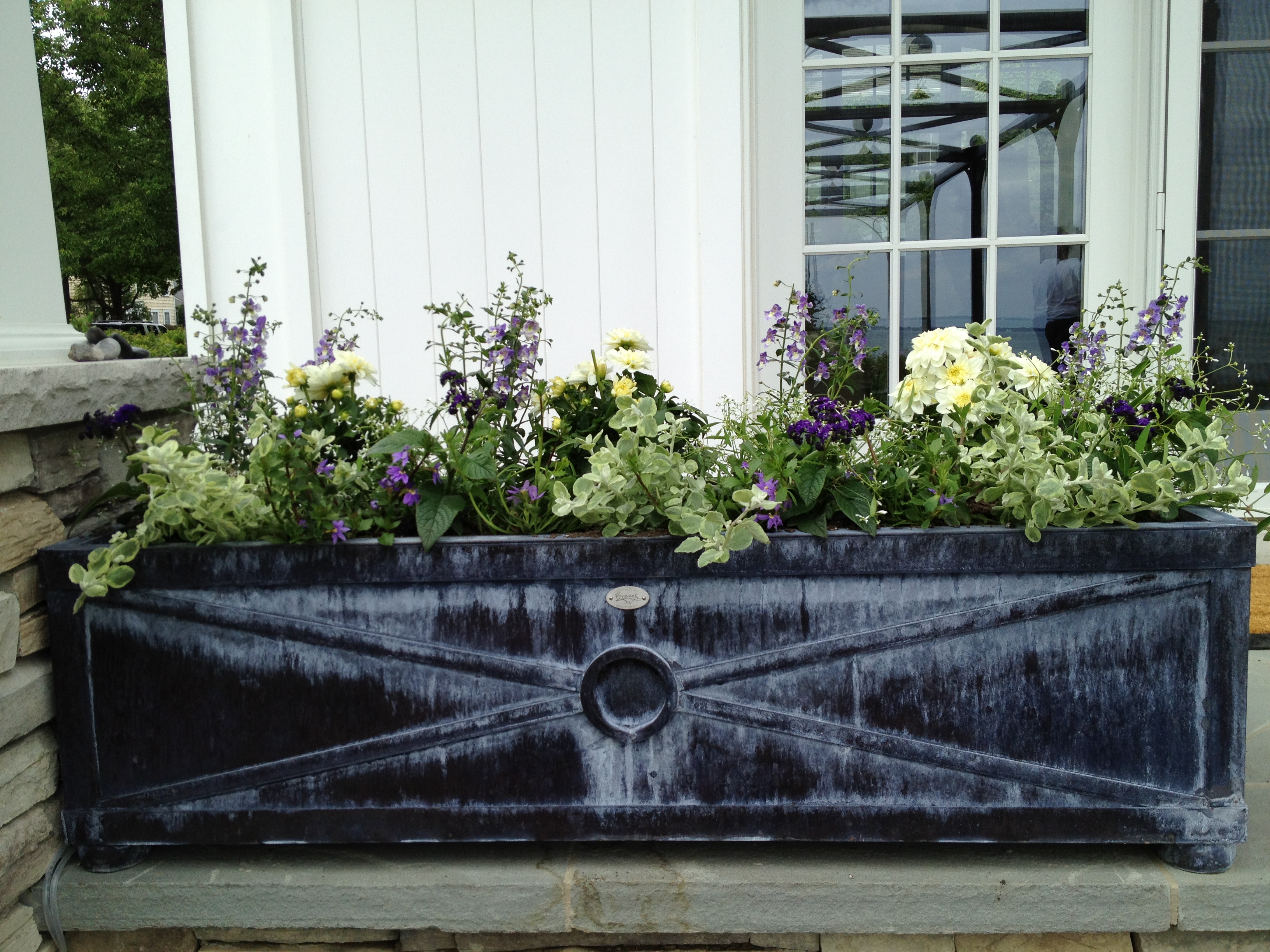
steel planter box, planted

planter boxes

planted steel planter box

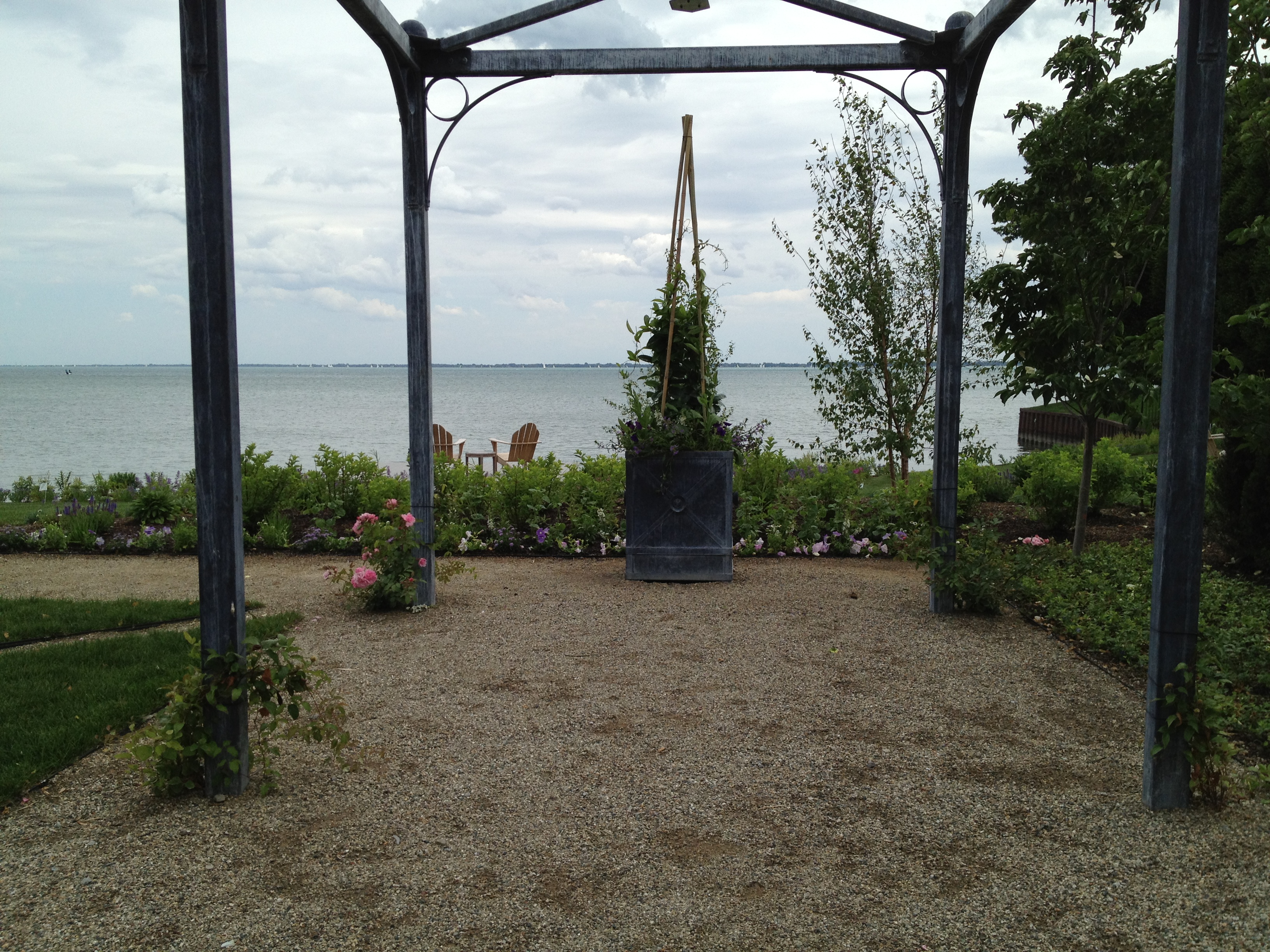
steel pergola

steel pergola and planted tall Jackie box

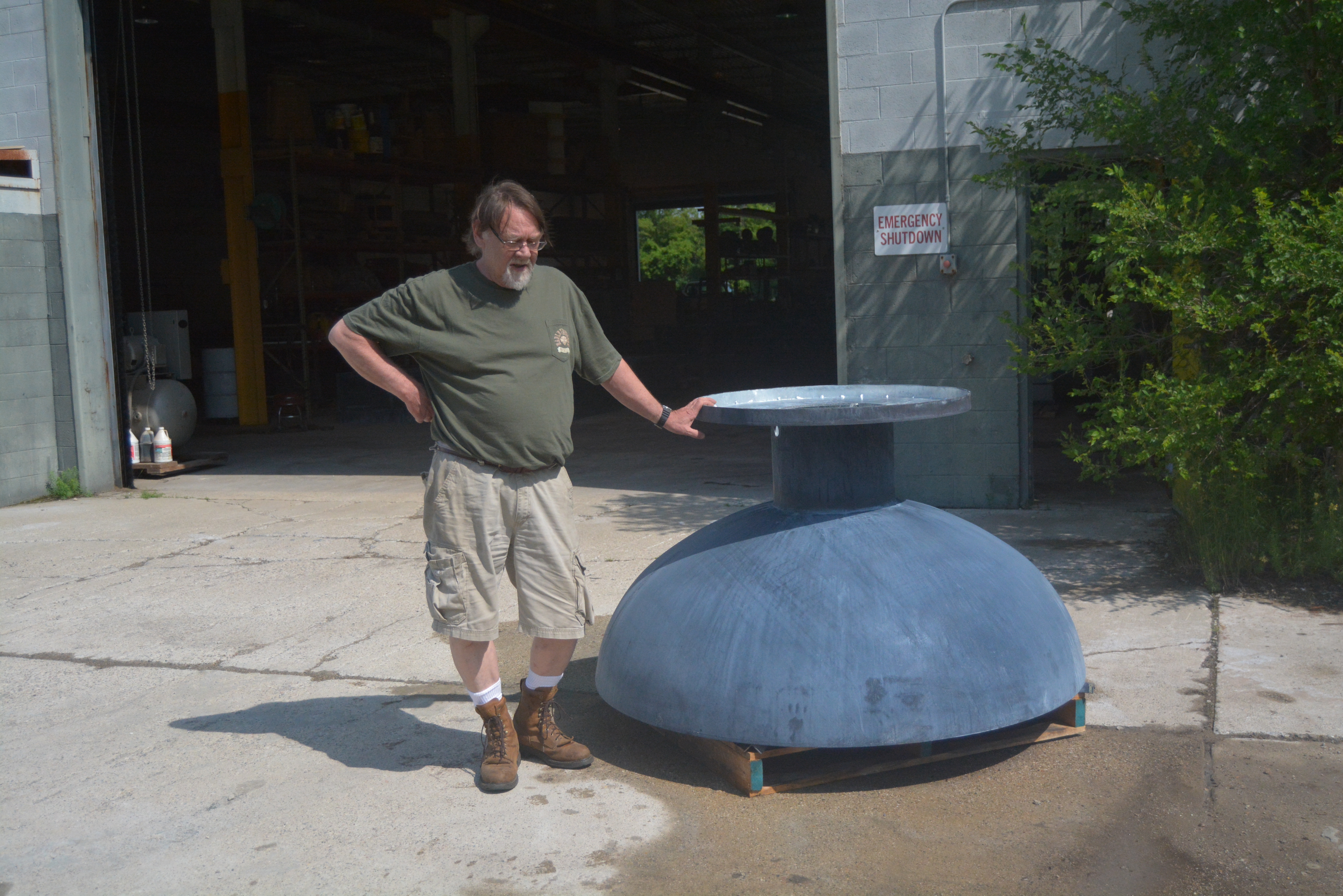
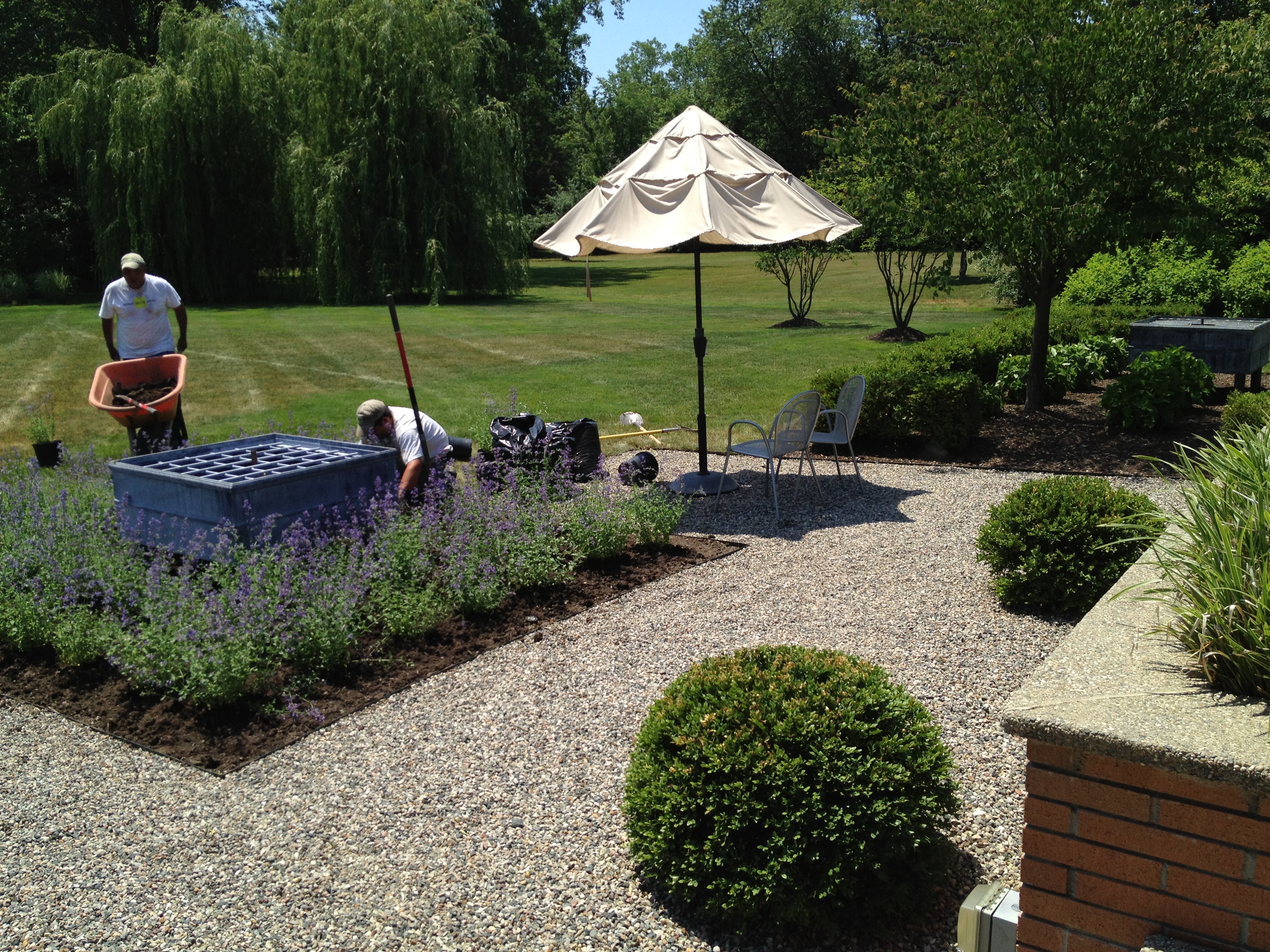
steel fountain cistern

steel fountain cistern.  The steel grid positioned near the top of the water level is a safeguard- given very small, and very curious children. 

orangery boxes

Steel planter boxes

steel planter boxes

rectangular steel Hudson box, and associated steel Hudson planters


planter boxes

planted steel Hudson boxes

tomato cages

steel tomato cages in the form of classical obelisks

 auricula theatre

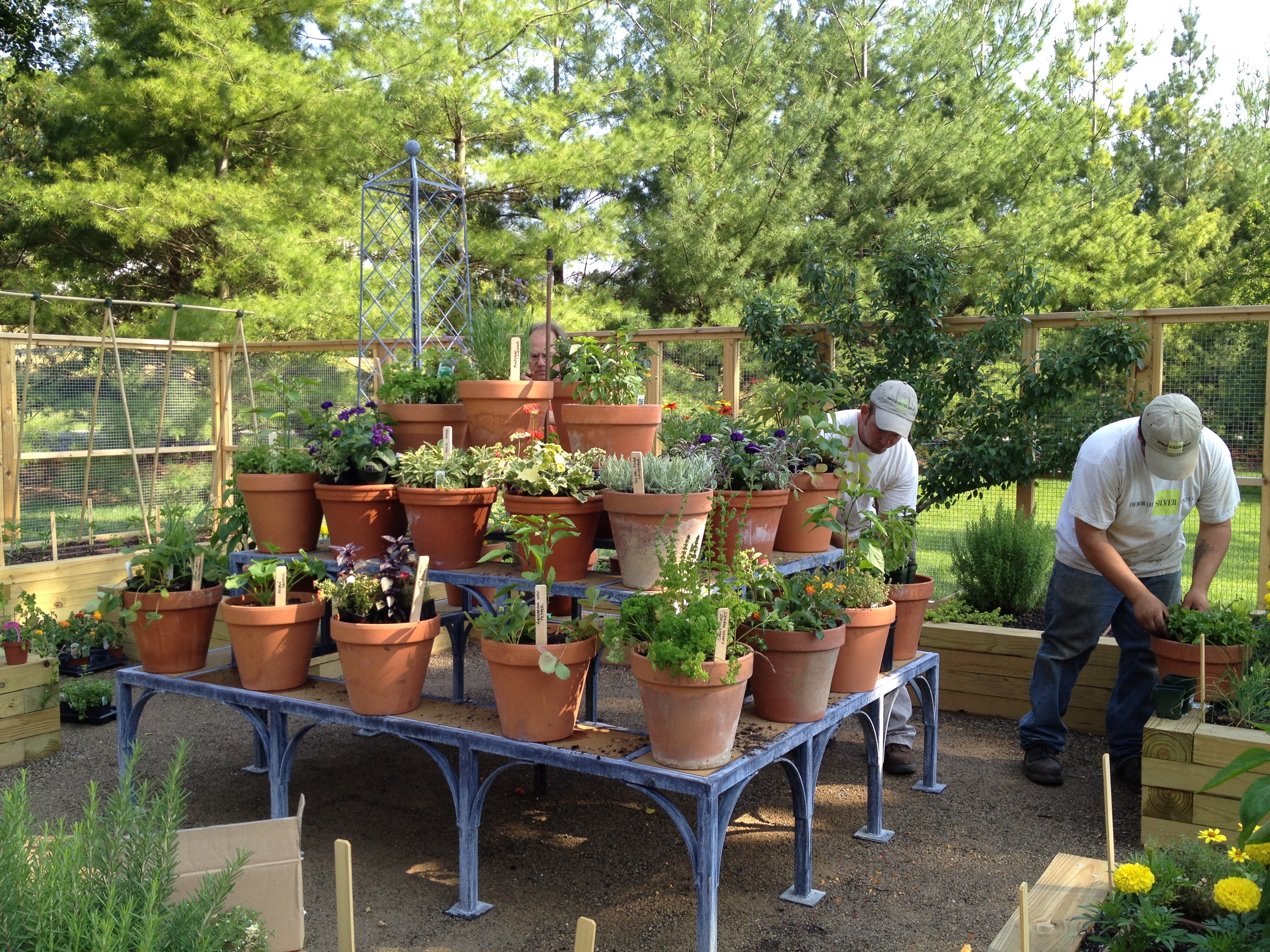
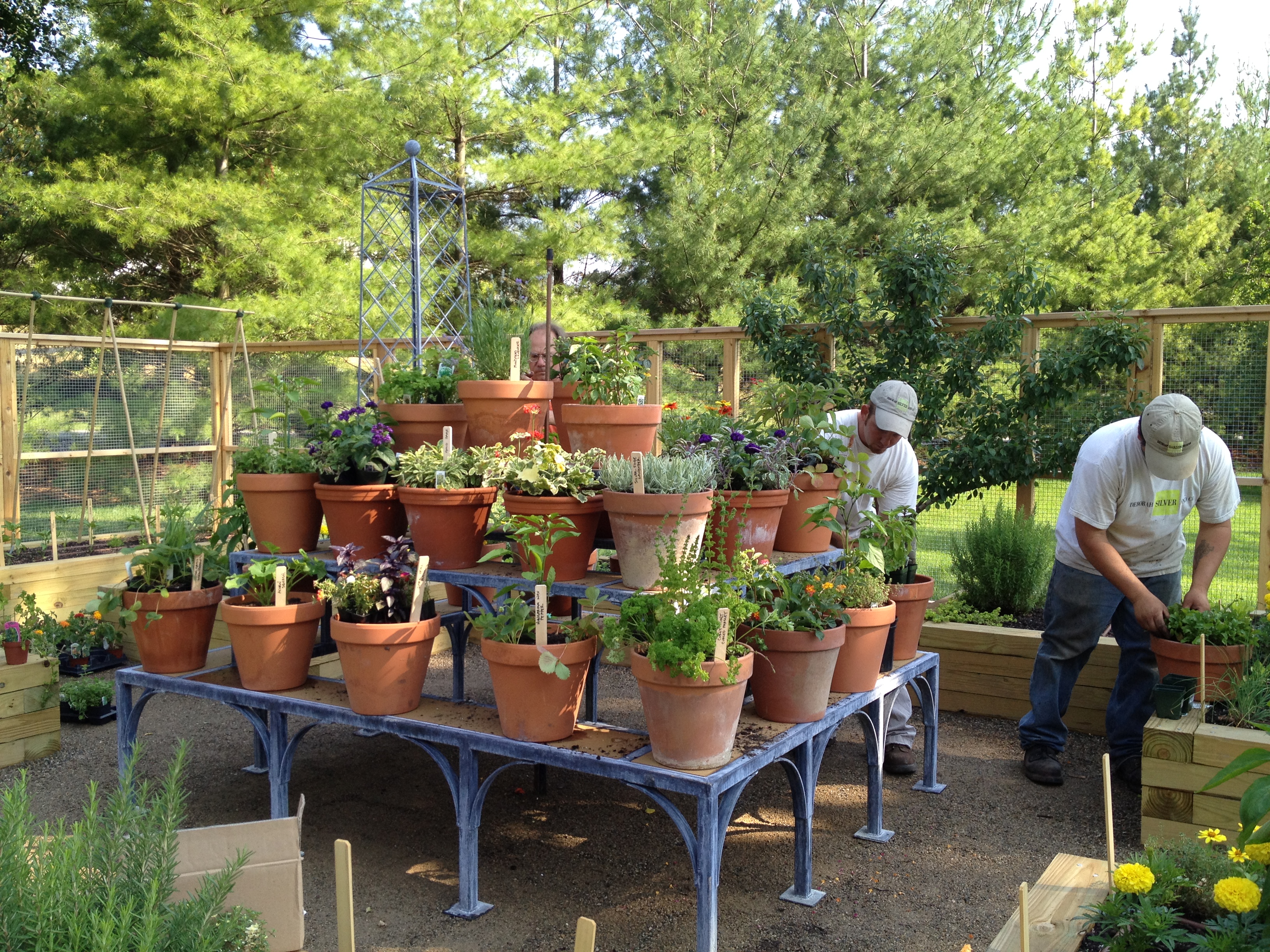
steel herb table, after the classic English auricula theatre. Buck has been very busy, churning out one fabulous garden ornament after another.  This plant table is proportioned exactly according to the golden mean.  No wonder it looks so solid, so satisfying, and so good.


What Comes With A Box

What is not to love that comes in a box?  A birthday present, a book, a new fleece, a pair of Hunter muck boots or new pair of pruners, a working washing machine, a flat of sweet woodriff from Bluestone; the box creates all kind of excitement about what is inside.  Anyone who knows me has heard me wax eloquent on the subject of the box. I like to make them, and I love to plant them up.  Big planting spaces permit plenty of garden expression. The giant Tuscan planter box pictured above was a summer home for a giant and unwieldy agave. In its plastic pot, it looked dangerous and standoffish. In the box, plenty gorgeous.  This box of generous proportions visually organizes my entire side yard garden.  Anything planted inside a box reads as a present to the garden. 

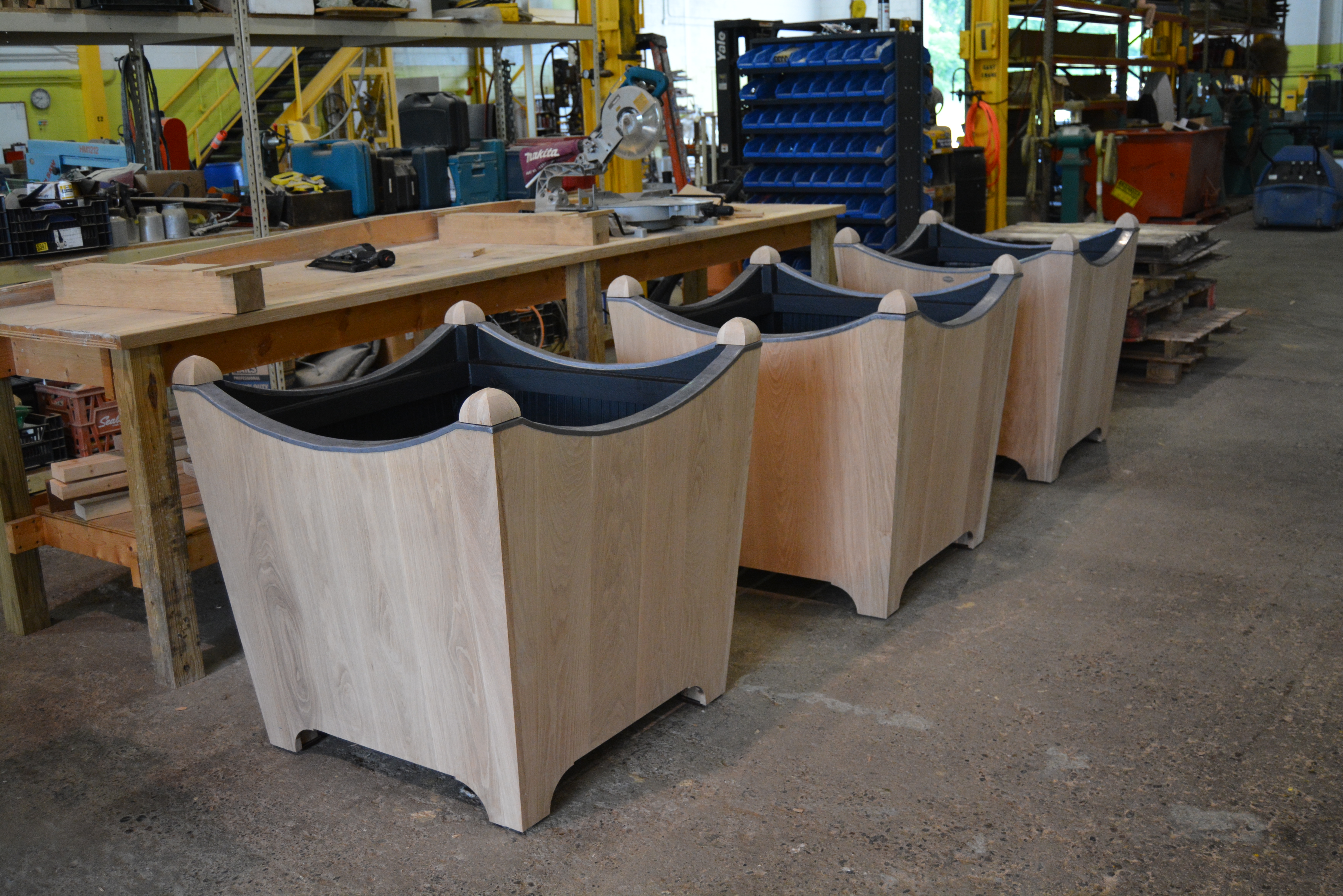
We make these Egren boxes. I named this box after Michael and Karen; they were the first to order them.  I designed them to solidly reflect the history of the classical orangery box, in a shape and configuration of my own.  The classic French made orangery boxes have steel corners, but they are made of wood, and painted.  The mild French climate supports this material-I was after a gorgeous box that would persist.  Egren boxes-my idea of a box for our climate. 

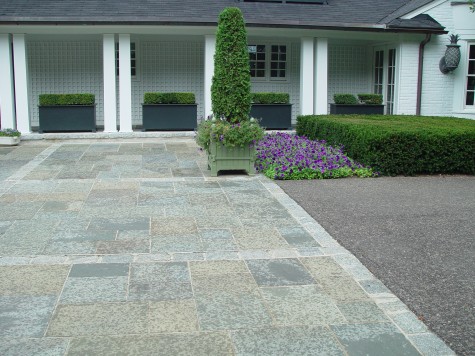
There are those landscapes that call for boxes.  These painted rectangles on the porch planted with boxwood are in support of four original Jardin du Soleil French orangery boxes placed at the four corners of the drivecourt.  That support is clean, and elegant. The trimmed boxwood in the generous boxes-a beautiful  and unexpected proportion. They separate the porch from the drive and walk. Box, boxed-a statement of very few words with big impact.  Should you be considering wood boxes, having a galvanized metal liner made to fit will confine the water in the soil to the soil.  Repeated soaking damages wood and paint.

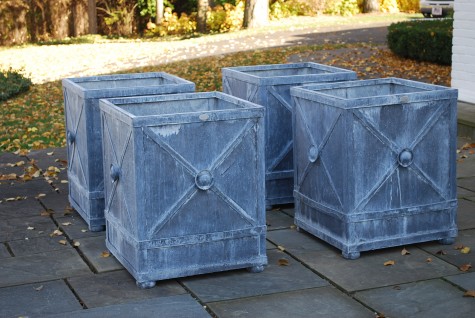
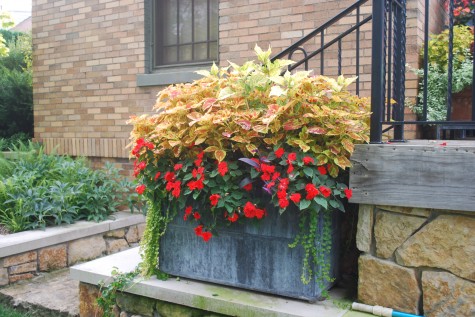
These English iron boxes have galvanized steel liners that have been painted.  The large square of soil they hold make them perfect for topiary evergreen plantings.  Evergreens planted with their roots above ground-consider a box.  A big box. Well-grown healthy evergreens have big rootballs.  Undersizing the planter is asking for trouble.  Big boxes are a good home-a home that has room for future growth.  There will be some space for an underplanting.  Most painted finishes on metal will require maintenance sooner or later, unless that rusty looky suits you. 

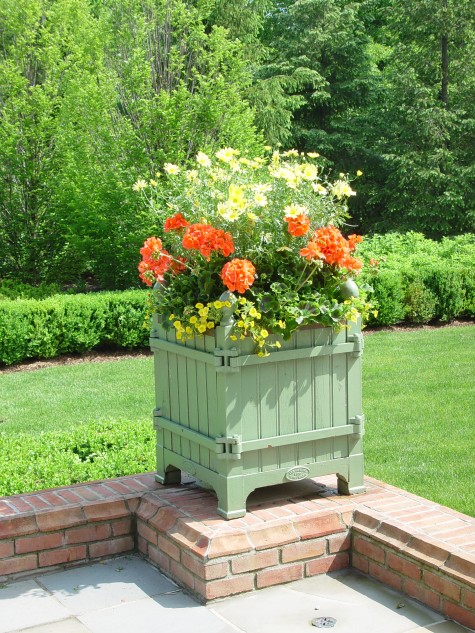
A beautiful box can anchor a driveway, a terrace-or in this case, a terrace.  These brick piers were designed specifically to hold these gorgeous French boxes.  If you are looking at boxes for your garden, pay mind to those designs that get that box up off the ground plane. Boxes glued to the ground-dowdy. If I am placing boxes without feet, I try to set them on gravel; this makes the box look dressed up. Set up a bit, a box can be quite elegant. The air space at the bottom also permits water to drain away freely.    

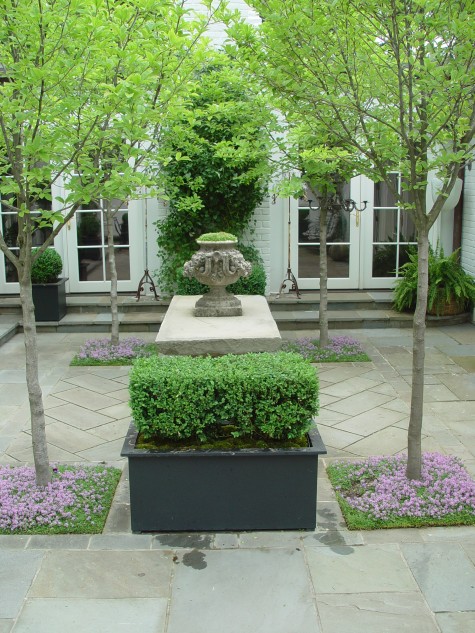
A box can make a big statement about a change of grade.  On the ground plane, bluestone, thyme, and magnolias. These boxes deliver visual delight at a different level.  This makes for a space all the the more interesting.  When you design, look at all the levels at your disposal; these boxwood are pruned to the height of the stone table, reinforcing the statment being made about this plane.  This small courtyard, completely enclosed by the home, was designed primarily for the views from inside, not so much for utility.  Should you need a little punctuation, consider a box. A small square, a giant square, a rectangle of note. 

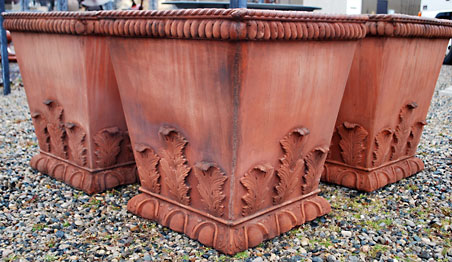
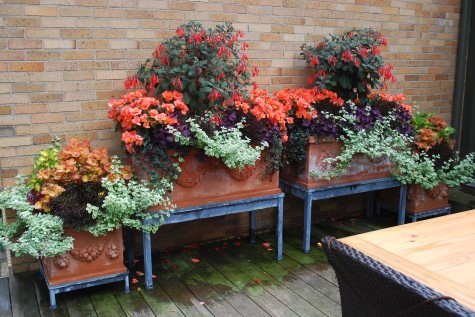
These English made concrete planters in the classical Italian style are not exactly boxy.  But for the purposes of this essay, they qualify.  These V-shaped squares would take any garden from the the sleepy to the sublime.   I so love their solid and understated shape and decoration-I could plant an entire garden in these squares.   No matter what I might engineer for my shop or my clients, I have a big love for classical Italian terra cotta.  Baked clay boxes figure prominently in my scheme of things.  Buck obligingly forged stands for my boxes.  Up off the ground given 17 inches or so, these boxes enchant whomever might be seated on the terrace. Choosing containers for a terrace has much to do with what you will see, seated.  These boxes have beautiful decoration on them. They are to my mind, a work of art.  I like to look at these boxes as much as the flowers. Elevating them on stands puts them within visual reach.       

A box may not immediately seem like an extraordinary garden feature.  That is a matter of placement; I will leave that to you to sort out.  For many years I had a pair of round Italian terra cotta pots in this spot.  They were beautiful, planted up-but the box makes much of the transition from the deck level to the ground.  It could be a box could do a similar thing for your garden.

House on a Hill

aug-28a-466
The idea of a house on a hill has a grand and romantic ring to it-especially considering I have spent my entire life standing on ground no higher than sea level. The terraced gardens of the villas of the Italian Lakes-heavenly.  Meaning, heavenly to look at, and the devil to visit and maintain.  The crest of this fairly steep slope was home to a narrow driveway.  Driving uncomfortably close to  a steep slope can be nervewracking;  I would not have wanted to drive it at night, after a few cocktails.  A beautiful drivecourt would provide room to drive and park. The requirement for flat space would be provided by a retaining wall of pressure treated lumber.  As I planned to grow climbing hydrangea on the face, I chose the most reasonable and serviceable material.

aug-28a-742The driveway was equally close to the front door, and ran past the house to the garage.  This made for little opportunity for a presentation of the house, and its fourteen foot width did not permit much parking.  It seemed appropriate to splurge here.  Two inch thick bluestone laid in a classic aschlar pattern, and bordered in granite setts  announced the entrance in an elegant and spacious way.   

aug-28a-480When not in use as a driveway, or for parking, this  areafunctioned as a terrace. I have known my clients to host a pre-dinner hour here on a nice night.  The asphalt would remain in place on either side.  A stone driveway demands expert installation, a service which is well worth the expense.

aug-28d-760The landscape is simple.  Rectangles planted solidly with yews abut four rectangles of pachysandra and  matching English Oaks.  The triple wide hedge of yews  adjacent to the retaining wall provide security for people and vehicles. These masses of yews did have that polka-dot pattern for a few years until they grew in; proper spacing at planting helps to avoid cultural problems later.

egren0905-11A driveway that runs parallel to the front door  needs a landscape statement that signals an imminent entrance. This drivecourt landscape creates the impression that the garden came first, and the drive through second.  The English oaks enclose the space, without obstructing the view of the house.

egren-7-07It has been a number of years since this garden was installed.  This photograph clearly illustrates what a graceful space has been created from the simple idea of flat ground. Sloped spaces are not particularly sociable or functional spaces.  Deciding how you need a space to function, should organize the design to come.   

egren-7-07-3A pair of French orangery boxes from Les Jardin du Roi Soleil define the transition from driveway to walkway. These boxes have been manufactured in this shape, design, and color since ythe 17th century.  The legs, corners and hinges are cast iron.  Originally, the slatted oak boards and hinged iron permitted the boxes to be opened from the side.  A lemon tree that had summered outdoors could be slid out of its box, and stored in the orangery for the winter. How’s that for a little romance? 

egren-7-07-5
Simple rectangles of painted wood contain boxwood hedges that sit between the columns of the porch, and on the roof.  The modification of the roof to hold those boxes-the work of a very thoughtful interior designer. 

egren0905-25

There is a fine view from the inside looking out as well.  Flat spaces are great places  to meet and to be.