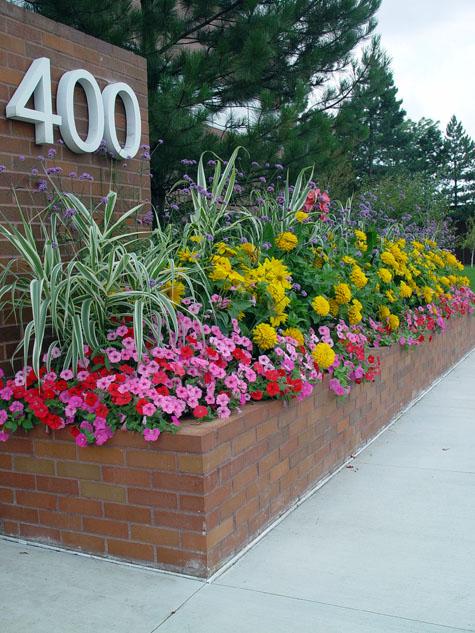
 It’s such a good thing that shopping centers and the like plant fibrous begonias and impatiens, in vast quantities, so you don’t have to. The Victorian gardening era in England produced some very inventive schemes for bedding plants. Beautifully designed and executed, they made use of annual plants of compact habit and low maintenance. Many of them were representational in their design-the most familiar of these would be the bedding plant clocks. Only rarely do I see bedding plants done to this level. There are those who plant oceans of uniformly growing fibrous begonias, impatiens, dusty miller and so on, without much in the way of interesting design-just lots of color. I like color as well as the next person, but I am glad this way of planting is being done by others, so I don’t have to.
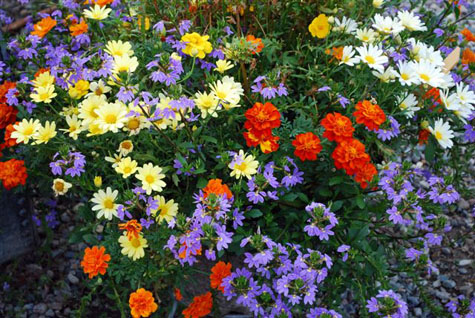
I like annuals in the ground that mix shapes and colors in a dynamic, airy way. I like annuals in the ground that are unexpected. Some in ground annuals can be designed to give the impression of a perennial garden-with the added bonus of a very long season of bloom.
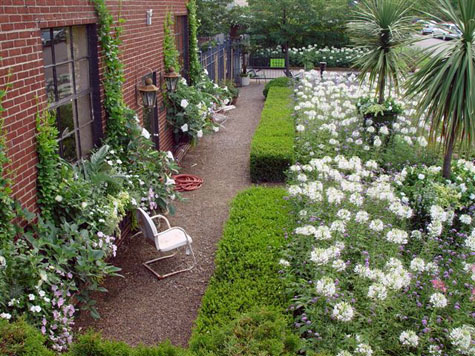
Big growing annuals are often passed by in garden centers, as they take time to get to blooming size, and do not show well in a cell pack, or 4” pot. Zinnias, cleome, cosmos, verbena bonariensis, and nicotiana alata varieties fall into this category.
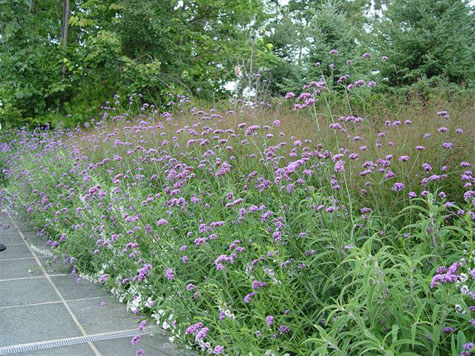
But I find their old fashioned grace and size can make for a stunning annual display. Even shady annual areas can be enlivened by the addition of coleus, or tropicals; no shade garden is restricted to begonias and impatiens.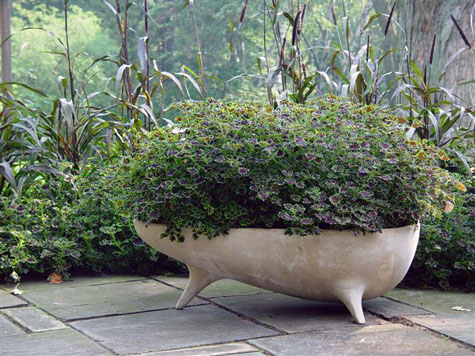
No doubt some very formal, and some contemporary annual plantings ask for a restricted plant palette, but I like to see this done on purpose.
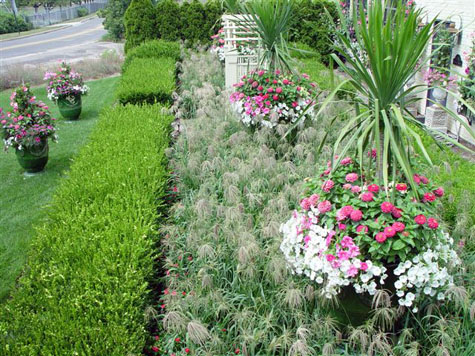
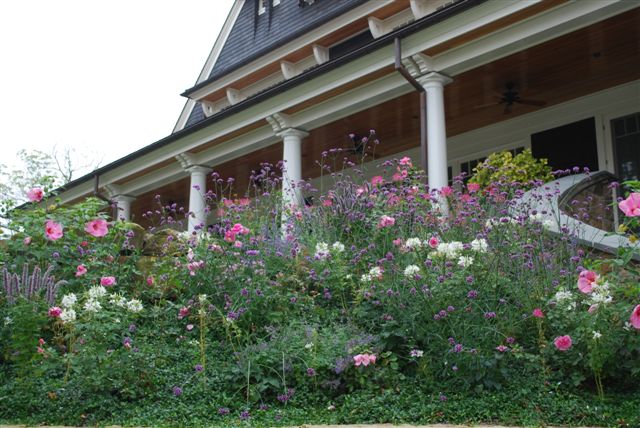
If you garden is cottage-style, grasses, or the wispy textured verbena bonariensis added to the annual mix is charmingly meadow-like.
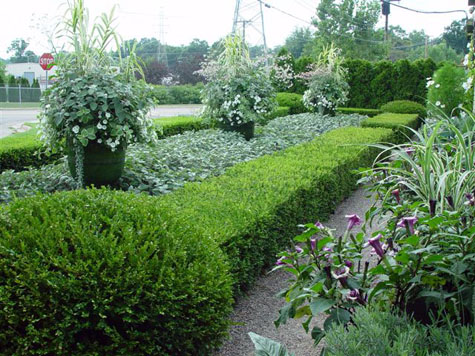
Grey plectranthus, the broad-leaved cirrus dusty miller, or chocolate sweet potato vine, grown in ground, is cool and contemporary looking.
Bold growing annuals in bold colors warm up, and loosen up a space. Zinnias, dahlias, green-eyed daisies, and giant marigolds read well from a distance. One of my favorite annuals, nicotiana mutabilis, is a cloud of white and pink when planted in masses; try interplanting a short growing annual to give color and interest at ground level.
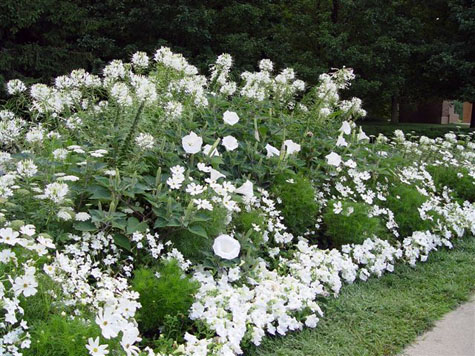
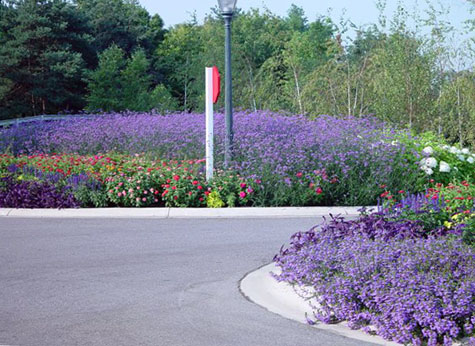
There is another very good reason to plant mixed annual beds-the summer weather. Some years impatiens grows poorly. If that’s all you grow, it’s a poor year for your annual garden. If you have mixed in other annuals, perhaps not all is lost. A mix which highlights the color, textures, and volumes of annual plants will keep your interest over the course of the season. A mix of heights gives you color interest from top to bottom. Check out the annual flowers at your local nursery that are green right now, or unknown to you, or unusual to your eye; they may be promising additions to your summer annual garden.
 Earth, air, fire and water; the mythology is long and varied. My simple version: the sculpture, which is the earth, makes for life. No less important is air-every living thing breathes.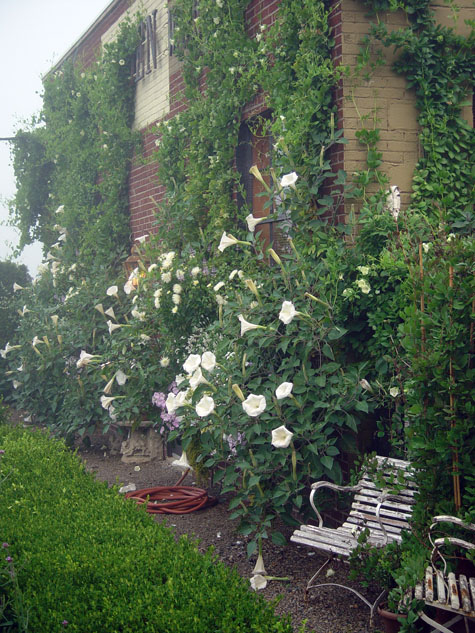
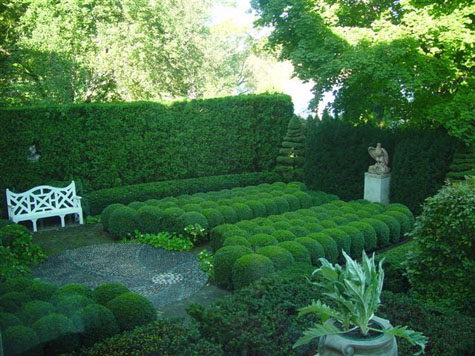
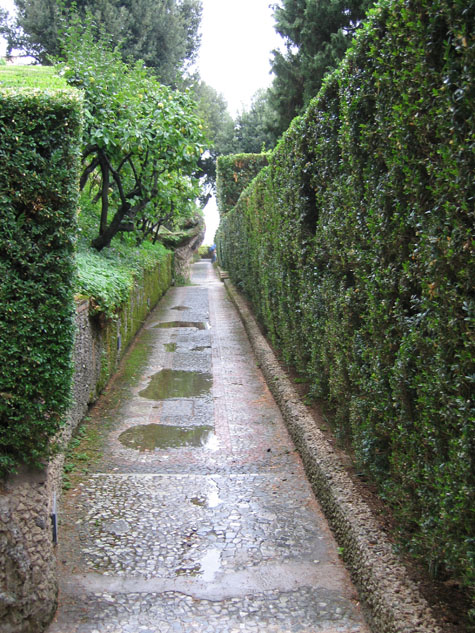
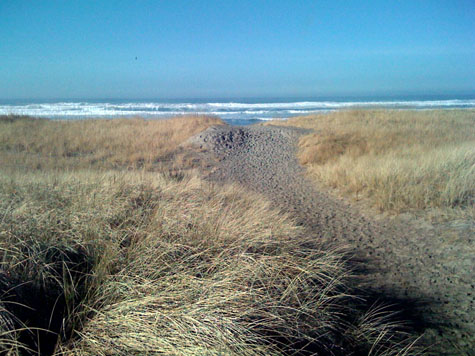
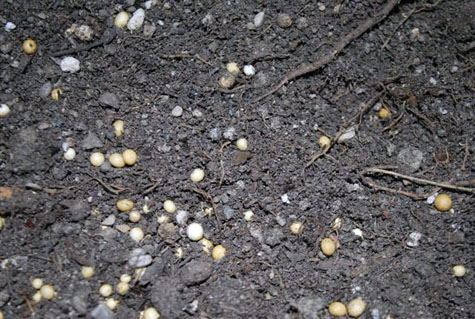
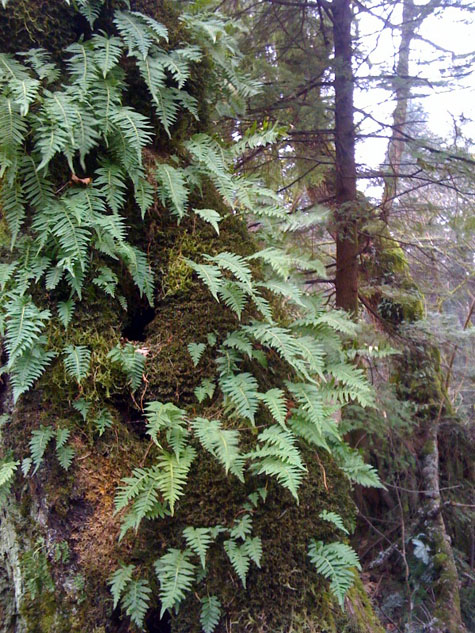
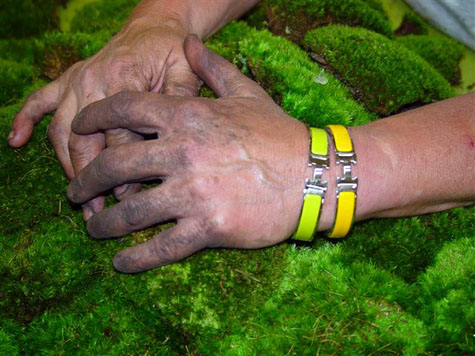
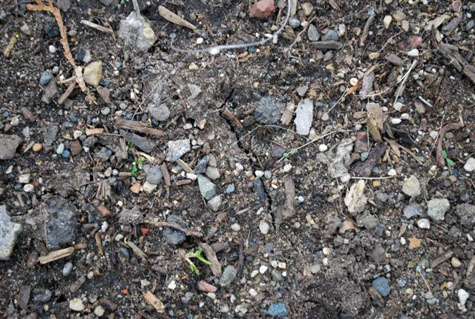 I have been a gardenmaker of one sort or another for what seems like a lifetime. I am quite sure my first effort to learn how to walk was an effort to get outside; this had not changed much in 58 years. Once I did get outside, I stayed until I tracked it all back in with me like a beloved blanket. Dirt I found very appealing, as its forms were infinitely varied as were its textures and smells. Though I later learned that dirt was a substance picked up by a vacuum cleaner, and soil is what one grows plants in, the word dirt has always sounded just right to me. My first strong memory of dirt is the mounds of it excavated to make basements for the ranch houses being built in the subdivision where I grew up in the 1950’s. This dirt retained the teeth marks of the machines scooping it out of the earth. Its colors were iridescent; the smell of wet metal, palpably radiating, was strong enough to make my eyes water. As fascinating as the dirt was the hole left by its absence.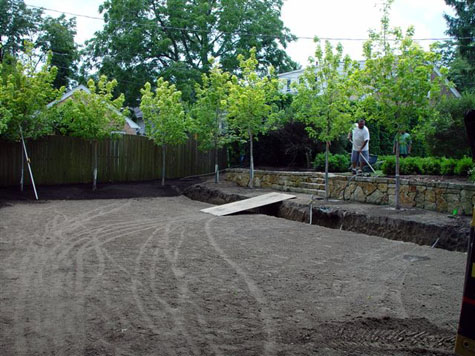
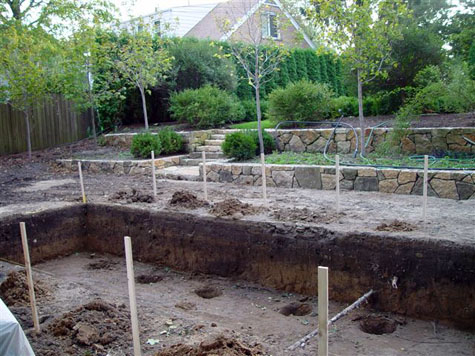
 This is all by way of saying I found the dirt and the dirt sites irresistible. Beyond the perimeter of grass surrounding my new house was an earth world, amusing and wildly entertaining as simple things are at that age. I would climb the mountains of dirt, claim possession, and listen to the sunny silence. A convenient board would give access to what would become a basement-a place of a silence of a wholly different sort. Ones bones felt the air echo, and the cold seemed dangerous-would anyone look for me if I could not climb back out? The dirt seemed natural and right, as it was what was wholly mine. My love for dirt, earth, compost, soil-call it what you will-has been with me ever since.