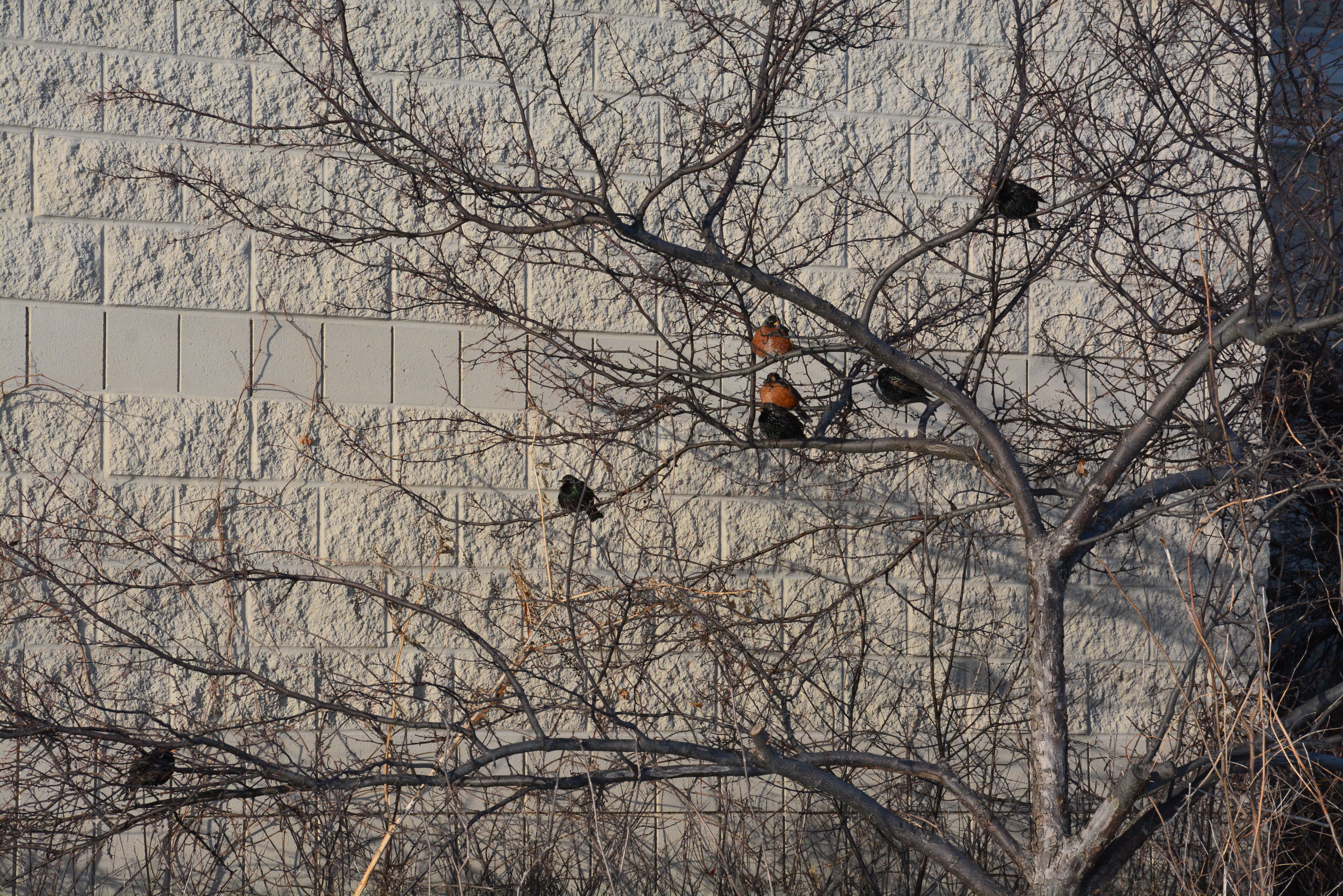
 Though nature had no plans to attend the opening of Detroit Garden Works today for the 2014 gardening season, the robins in the tree next door are here right on schedule. Rob says they look to be the fattest robins ever. I personally think they have their feathers fluffed out to the max-trying to defend themselves against the extreme cold. On the news this morning, the following. The combination of cold and snow this winter makes this the worst winter we have had for 130 years. This means that the oldest gardener in my zone is experiencing a record breaking and a particularly heart breakingly endless winter for the first time. This going on 64 year old gardener can attest to the accuracy of this statement. I have never.
 Taking the 2013 version of Detroit Garden Works apart, repainting and cleaning, reinventing and redoing with all the new things for 2014 is a big job. Both of my landscape crews are instrumental in helping out the shop staff with this transformation. This means that both Steve and I have been there with Rob to plan and consider every move that gets made. Keeping up with the winter landscape design work for projects on deck for spring, with a big dose of Detroit Garden Works on the side means I have been really busy. This level of being busy helps to keep my mind off the winter that has engulfed us all. Though my landscape design practice is the love of my life, the shop is a close second. How so?
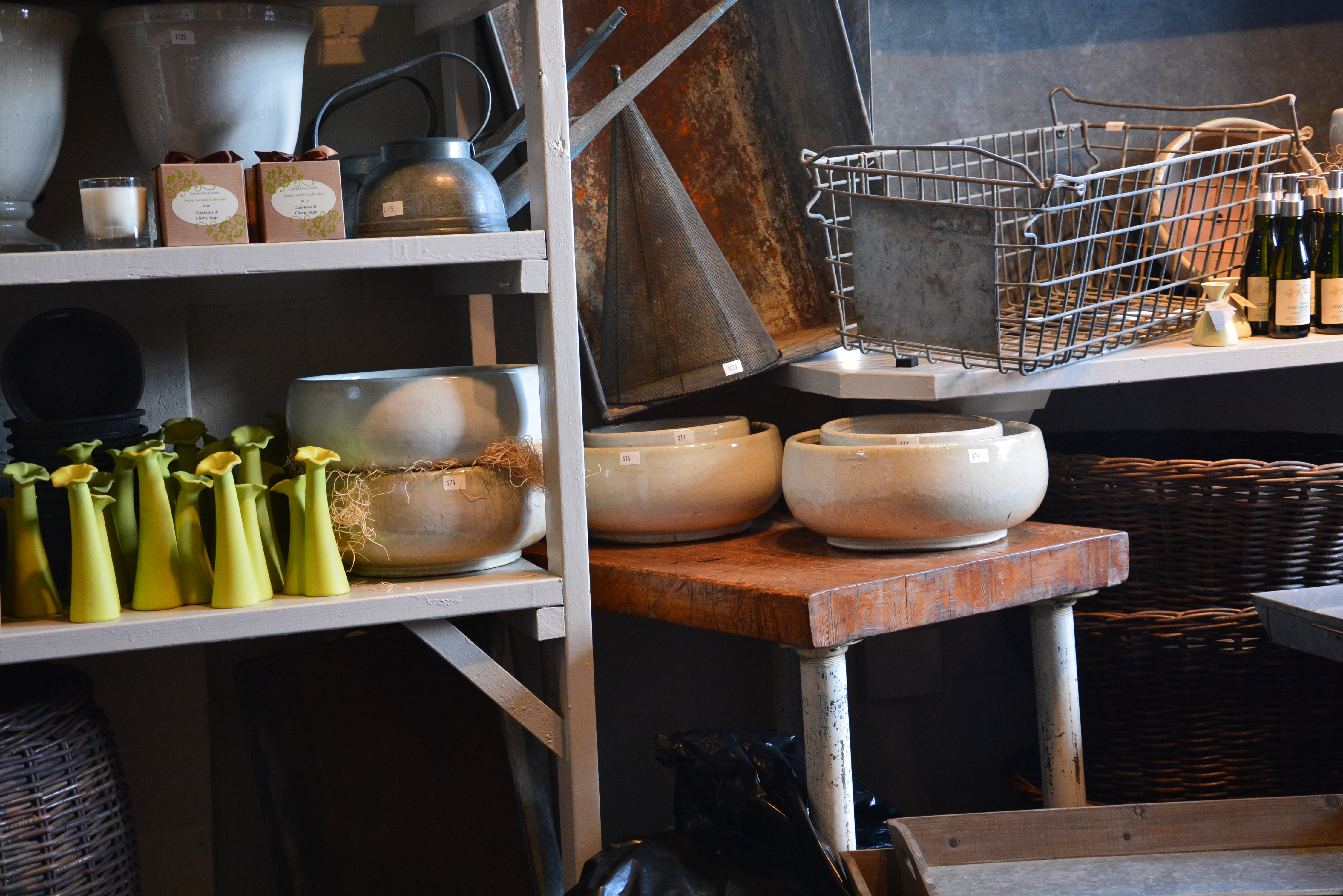
 All of what Rob buys interests me. Containers, sculpture, fountains, tools are an integral part of gardening. But placing every element in a 10,000 square foot space in an interesting and well designed way is a challenge. But I am happy for the work-this greatly informs my landscape practice. I am dealing with objects big and small. Lots of colors. This line and that one. This shape that relates to that one. A garage full of pallets of objects I have never seen before all need to have a home, a scheme. Rob does the vast majority of the buying for the shop. It falls some to him, and a lot to me about how to present his collection. It is not so much different than designing a landscape for a particular property, and a particular client. Objects from many countries in February, each with their own shape, color, texture and mass ask for an arrangement that will please the eye. Making sense of a whole world of disparate objects can be exasperating, but it is a job I would not trade for any other.
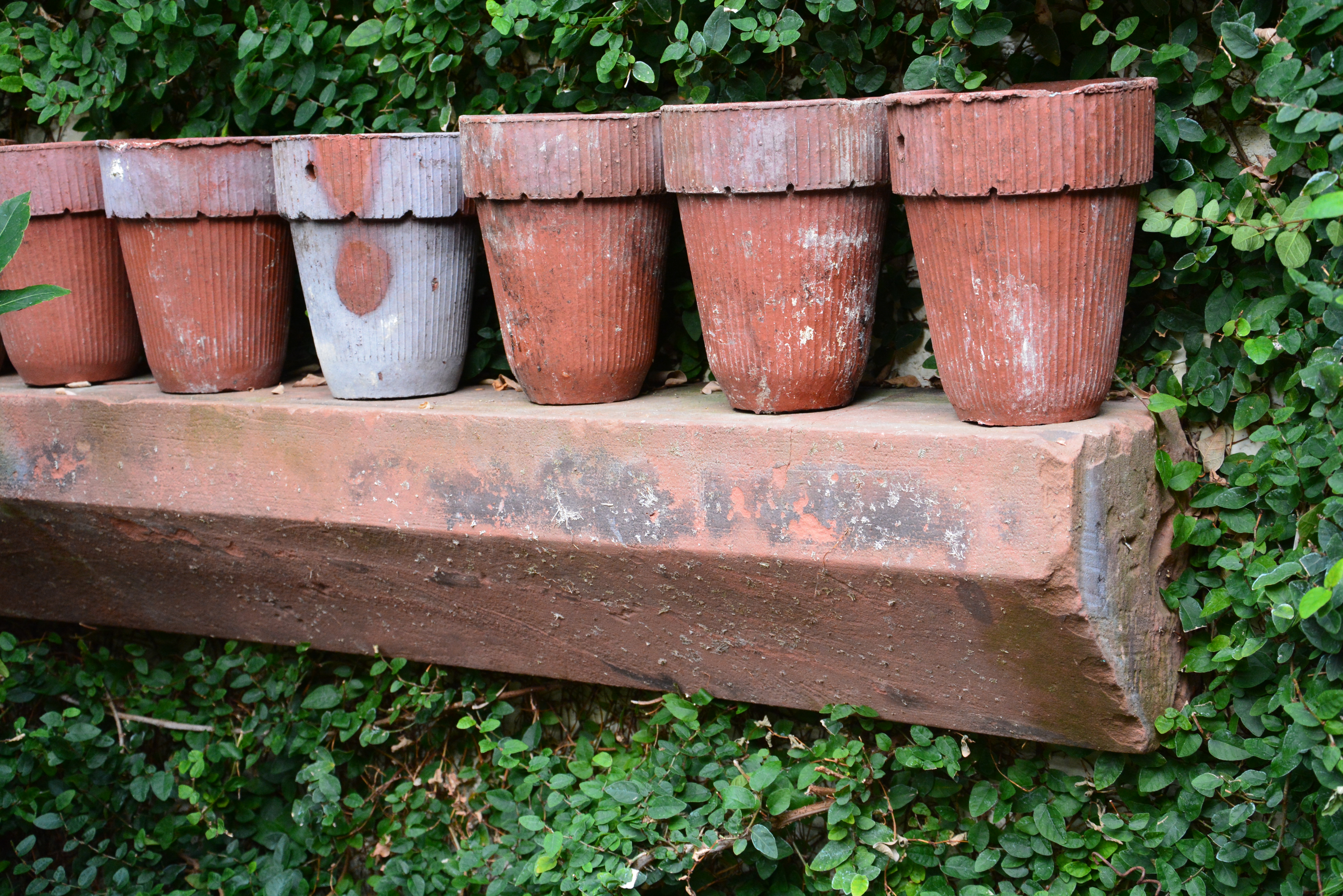 Designing a landscape asks for everything a gardener has available to them. A love of the living earth. A plan to compost, which will enrich any planting. A plan to plant. Lots of energy and good will. Faith in one’s convictions. And a plan that personally expresses what that gardeners values and needs from their garden. A plan that is coherent. Dissonant shapes, forms, textures and colors all ask for some sense to be made. And sense can be made of those things in many different ways. How Rob puts a series of things together is very different than mine, as it should be. I can’t be privy to why he selected certain things, until I start to work with them. Even then, I may visualize them in a very different way. As much as I enjoy poking around the pallets, I more enjoy making a melody from a lot of different voices.
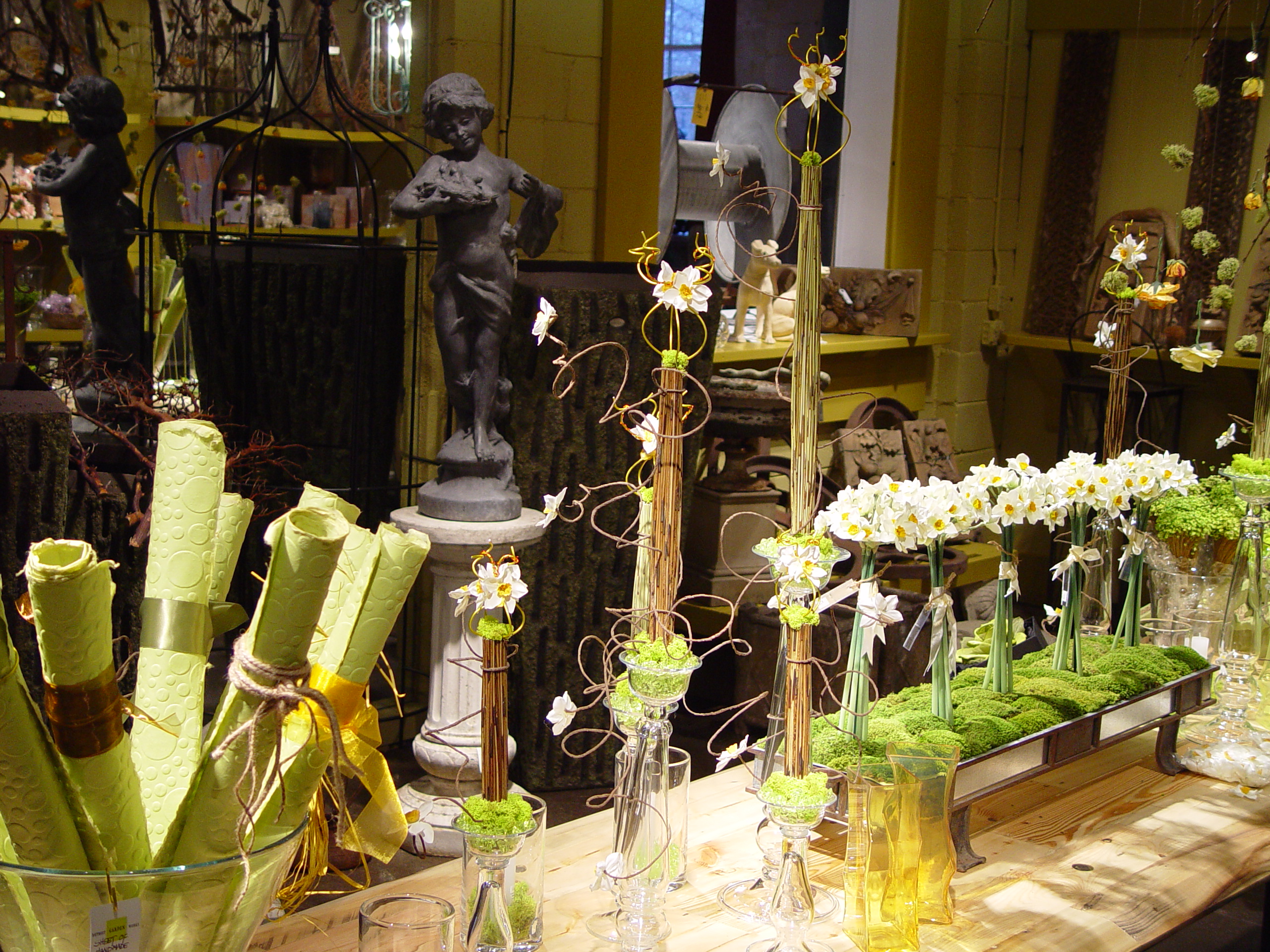
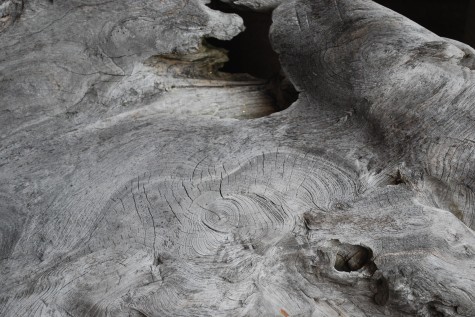
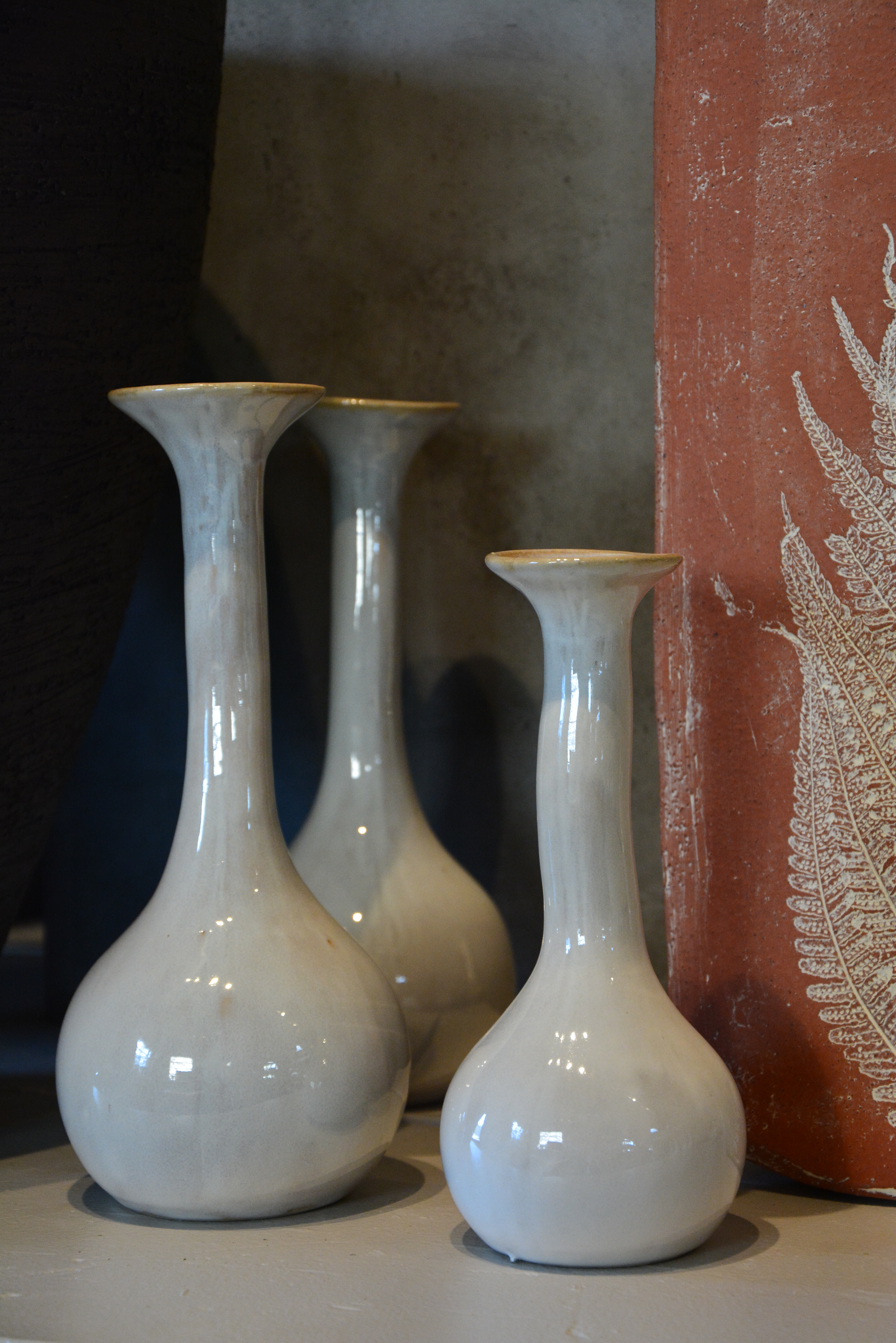 Surfaces really interest me. Some are shiny. Some are smooth and matte. Some are rough textured. Others are dark-some are light. One surface contrasted with another generates interest. What is happening near the ground level interests me as much as what is at eye level. Then there is that vast space overhead. My first moves in the shop always involve covering the walls, and populating the air space. Part of that had to do with staging the work. An empty room is the ideal place to navigate with a big ladder. Once that work is done, everything else is arranged to fit in the physical and visual space.
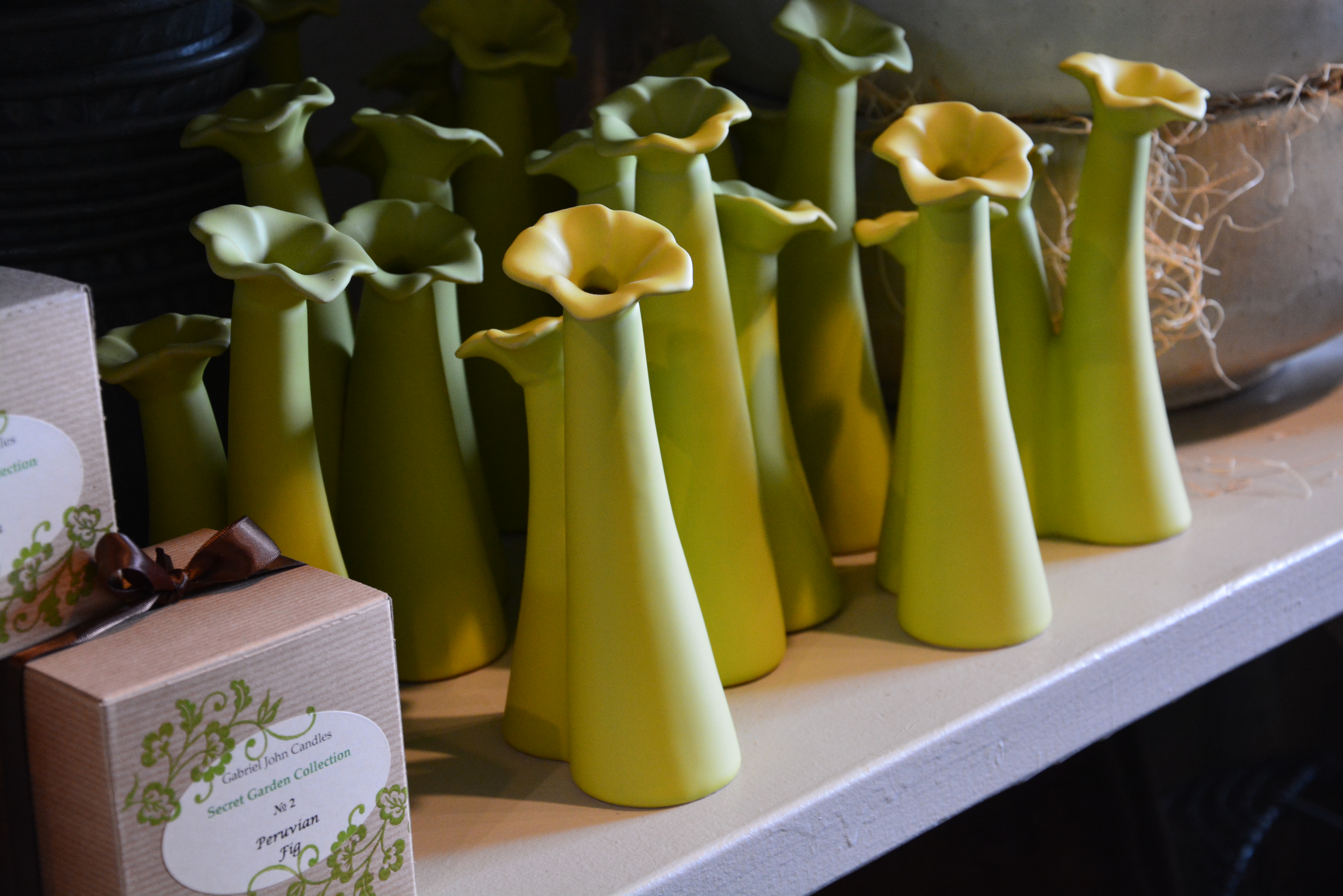 Anything that generates an interest in the garden is of interest to me. What I like is big and wide-a lot. On a good and rare day, it is deep. Any person who responds to the garden interests me, whether it comes via my landscape practice, or my shop. Any place that encourages people to garden is my idea of a good place. Rob and I both subscribe to the idea that a great garden shop ultimately should provide an experience of the garden.
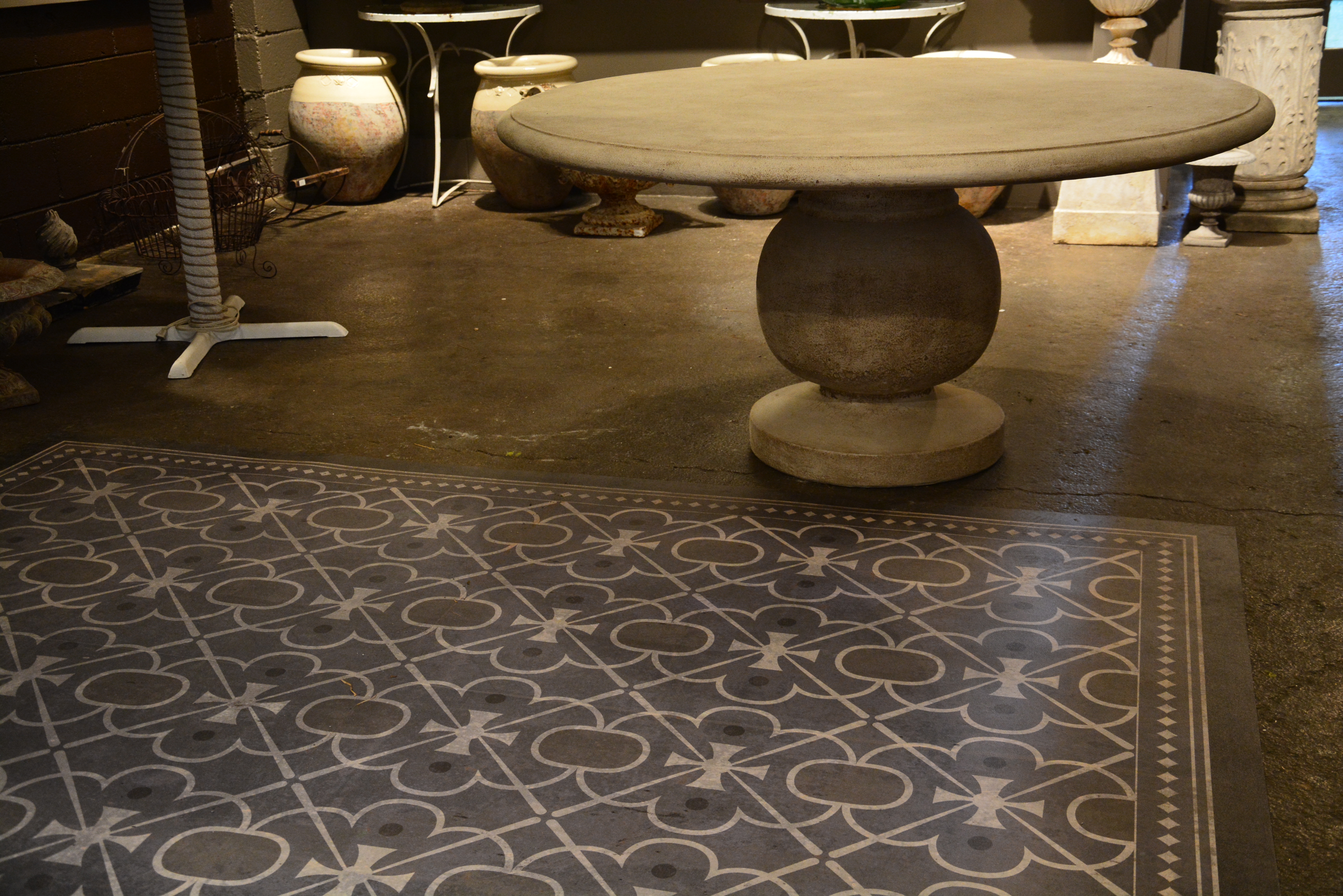 I will confess I am tired out from the work of the past month. But this kind of tired is a good kind of tired. I was truly thrilled that Detroit Garden Works opened for the 2014 gardening season as usual March 1-even though our winter rages on. I am pleased we have been welcoming gardeners of every persuasion for 18 years, come March 29. We were happy to have gardeners gracing our gates today. Spring is a state of mind-is it not?
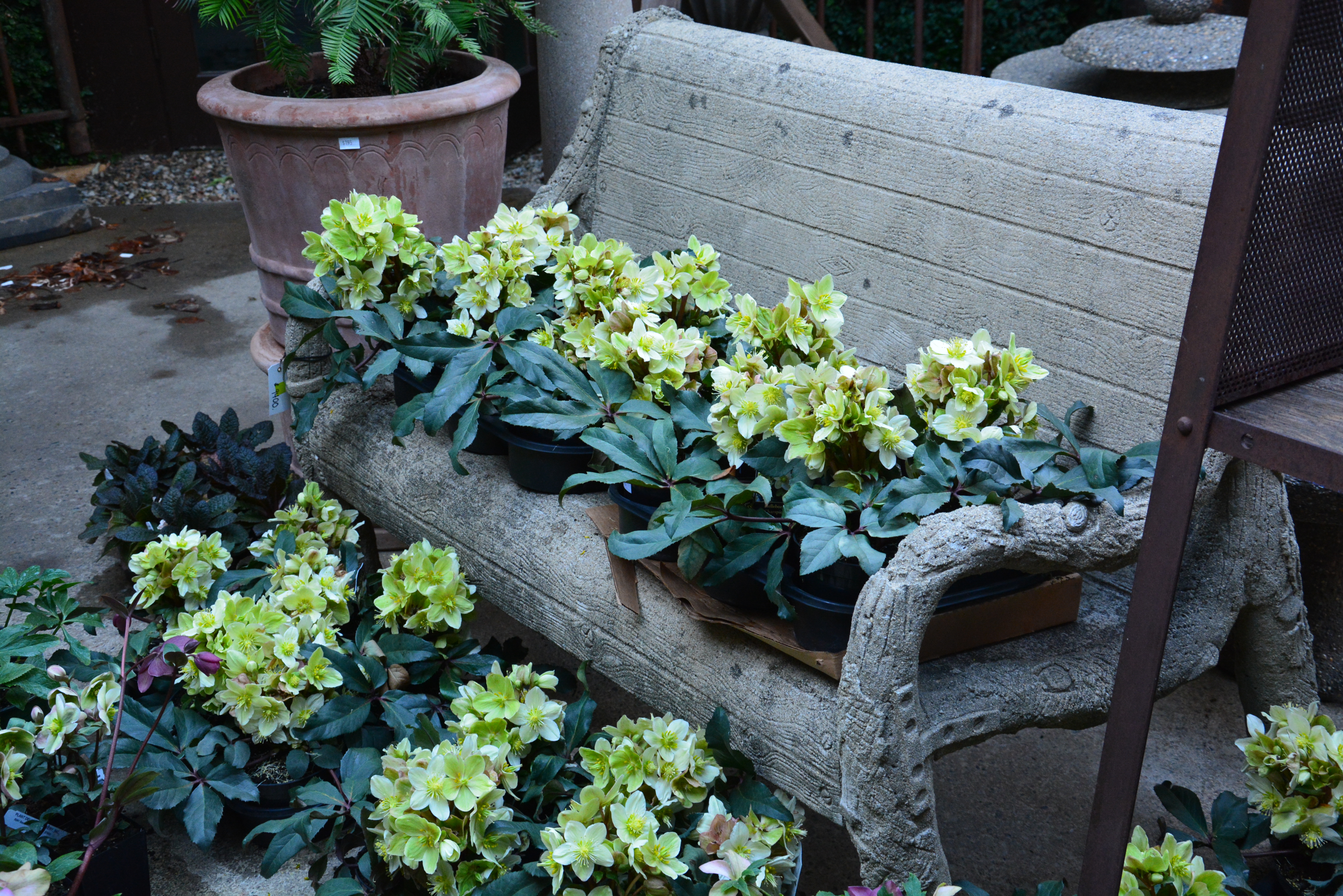 Rob’s buying trips to growers of hellebores all over the US and Canada means we have plants in our greenhouse now, with many more to come. The sight and smell of live and blooming plants is a sight for sore eyes. We have planned an event the third week of March-a Helleborus Festivalis. For every winter weary gardener who has another month of winter to go yet. We have missed all of you that visit our shop! See you soon.


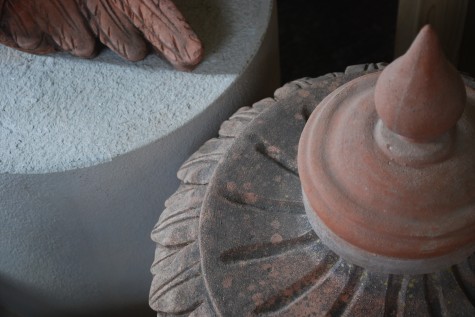
 Pictured above is a panel of a terra cotta square pot made by the Galloway Company from Philadelphia Pennsylvania in the early 20th century. The river bottom clay from whence their pots were made is naturally this color. There is no mistaking this is a natural material, even if you have never seen anything made from cream colored clay. The surface is genuine; it rings right.
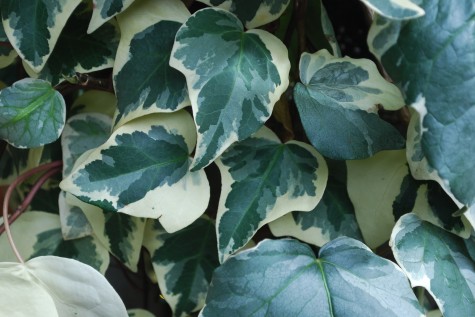 Do you even have a number in mind for all the different kinds of leaves that must exist? Their surfaces can be hairy, shiny, matte, smooth-there is no end of variation. But what they all have in common are surfaces that are unmistakeably alive. They live and breathe. I could not really explain what it is about a living surface that is so evident. Suffice it to say that I have yet to see an imitation that was truly convincing.
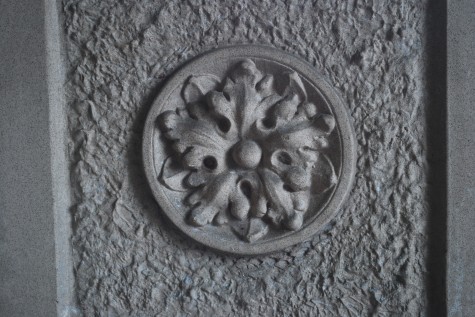
 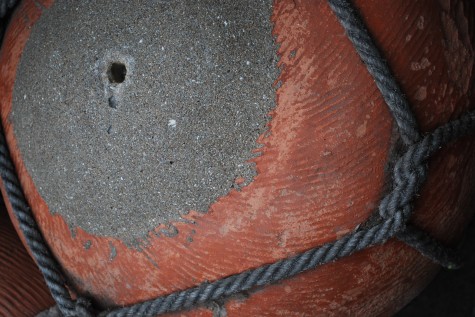 Concrete is a man made material which I greatly like. These terra cotta oyster floats have blobs of concrete which help to weigh the floats down in the water. Concrete as a material is at its most beautiful when its surface accurately represents exactly what it is-concrete. Of course everyone has had to make concessions of one kind or another over their garden. I myself have concrete terra cotta pots made in the style of classical Italian terra cotta. I have three places where I wanted a pot in situ 12 months of the year. My concrete pots enable this. Their workmanship is incredibly good. However nothing moves me more than the clay.
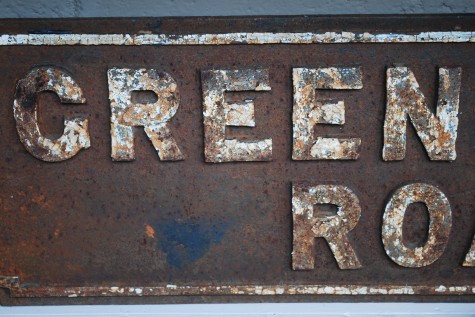
 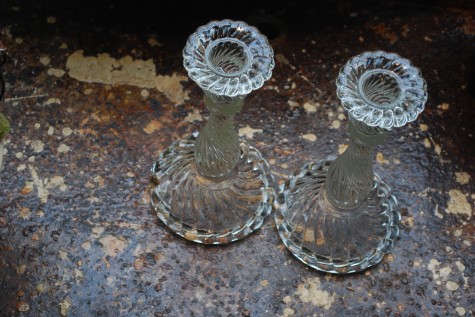 Steel and iron are likewise a product of human technology. The surface of steel will age, as it corrodes. The pits in the surface can provide a home for small plants, just like terra cotta. How steel ages can be very beautiful; age on a man made surface greatly enhances its appearance.
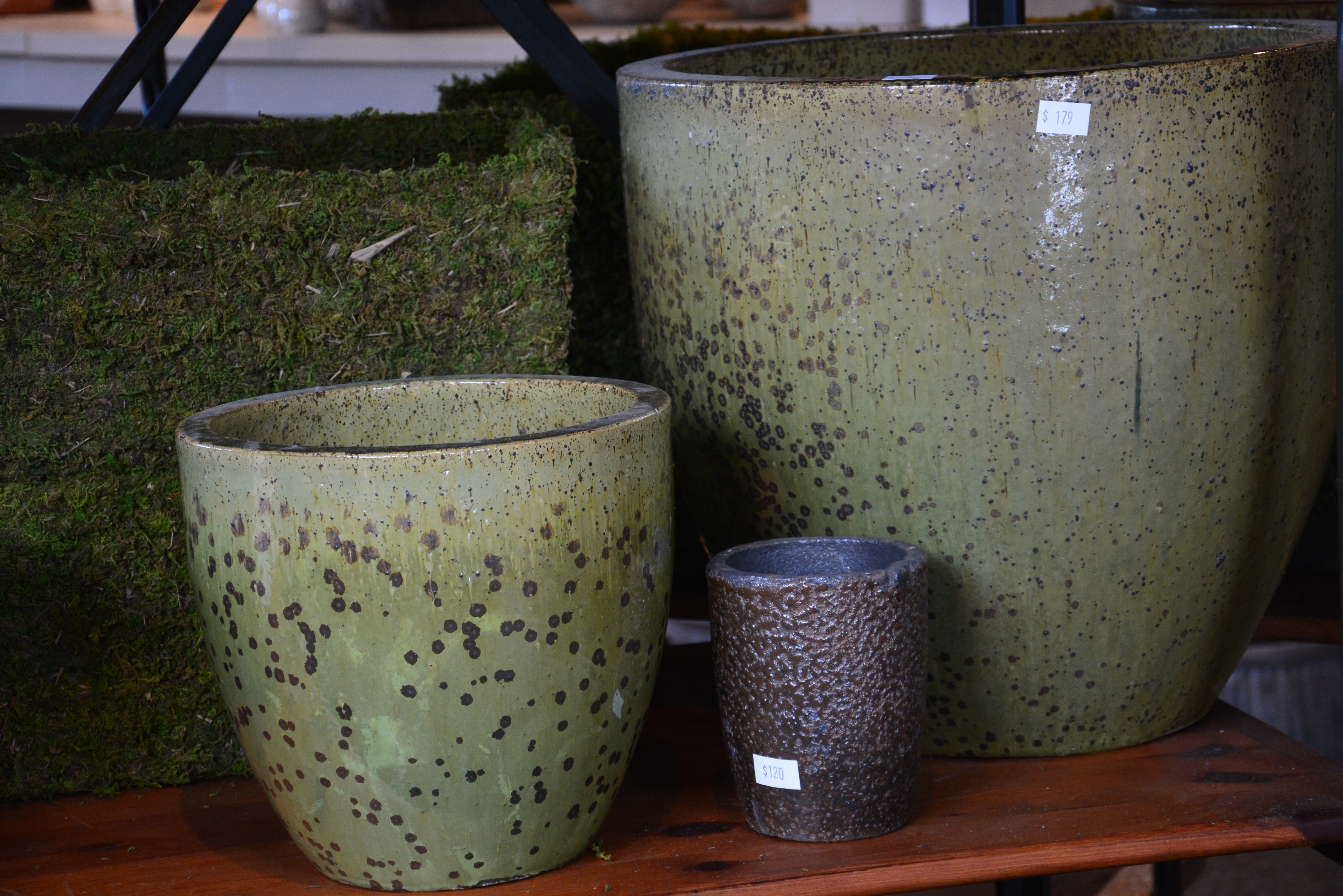
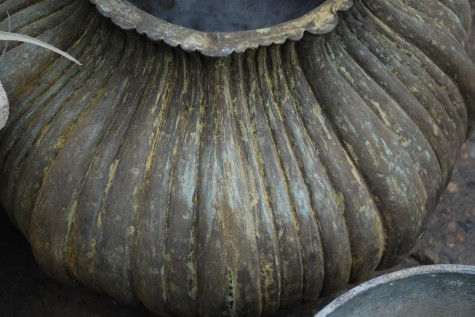 The surface of this terra cotta pot looks like a painting. I have no idea how it was done, but there is no evidence of paint. Whatever altered the surface has soaked in, and become part of the clay. I am told the material is mineral based-as are many pigments.This treatment I can live with. The shape and texture of this pot is beautiful as well-it reminds me of a squash, without trying to look like a squash.