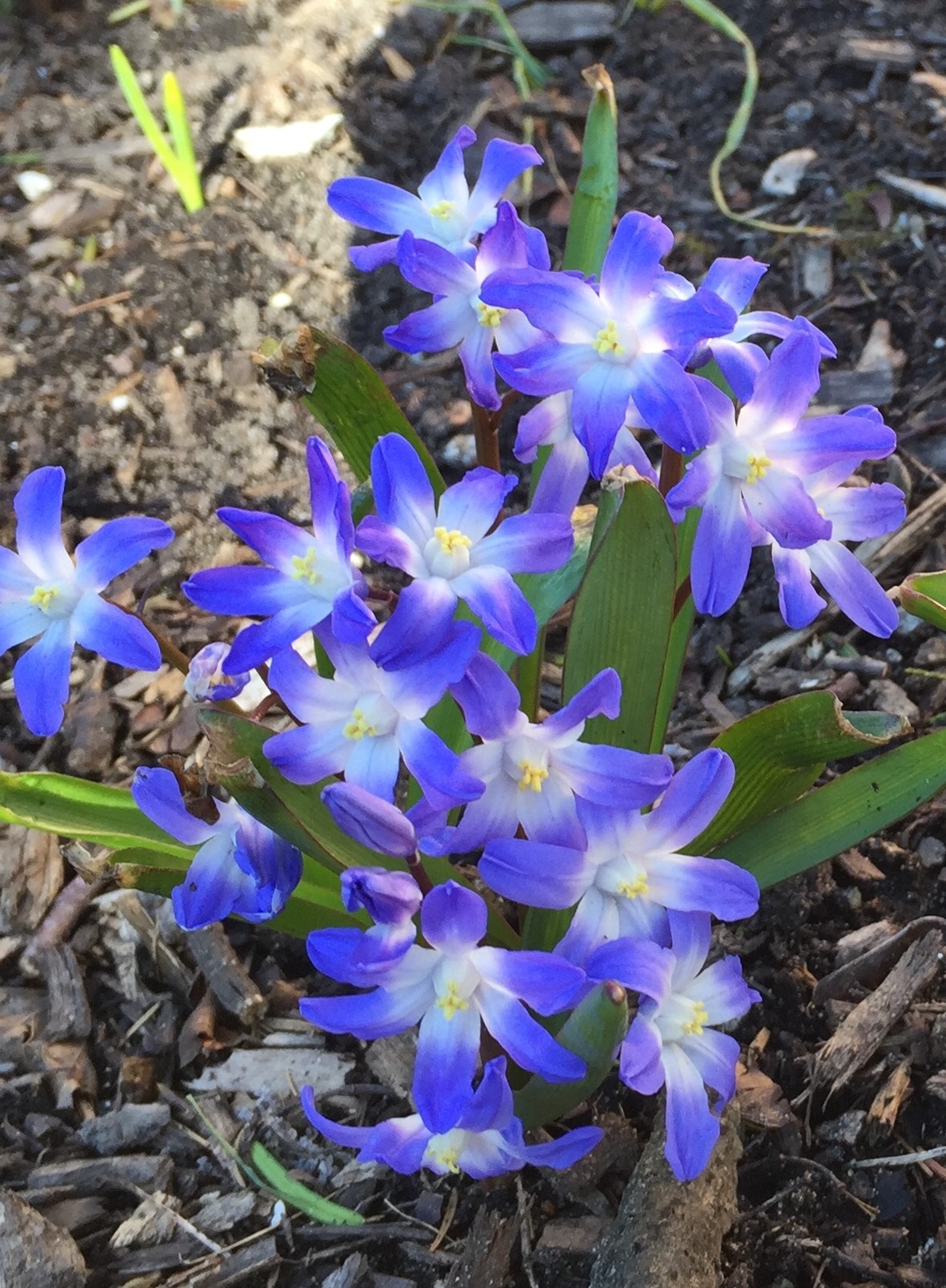
 Early spring in my zone is anything but a 128 piece brass band playing at full tilt. That brass band blaring part will come in May, but April is notable for its quiet moments. Those plants that foretell the spring to come are looking very good right now. That they dare breach the comfort of their winter home for the windy, chilly, and sometimes snowy and sleety garden in late March and April makes them well worth growing. That transition between the winter and spring is a long and blustery hallway. Gardeners can shut the door on the winter, and anticipate the spring light at the end of the tunnel. I would describe that time as April.The most notable of the small early spring things are the small flowering bulbs that require a fall planting. The chionodoxa forbesii “Blue Giant” that is pictured above grows but 6 inches tall. But these true blue flowers with white centers can make that interminable wait for spring a little easier to bear. Left to their own devices, they will multiply at a steady rate. The bulbs are so small they can be planted with your index finger. Every day I look at the chios, as I call them. They come early, and are ephemeral. Blink, and they are gone until next year.
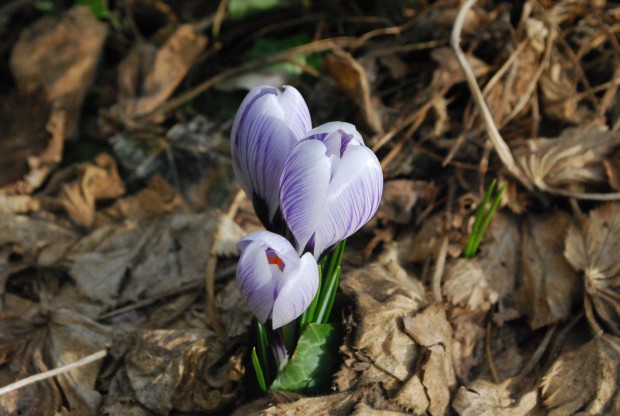
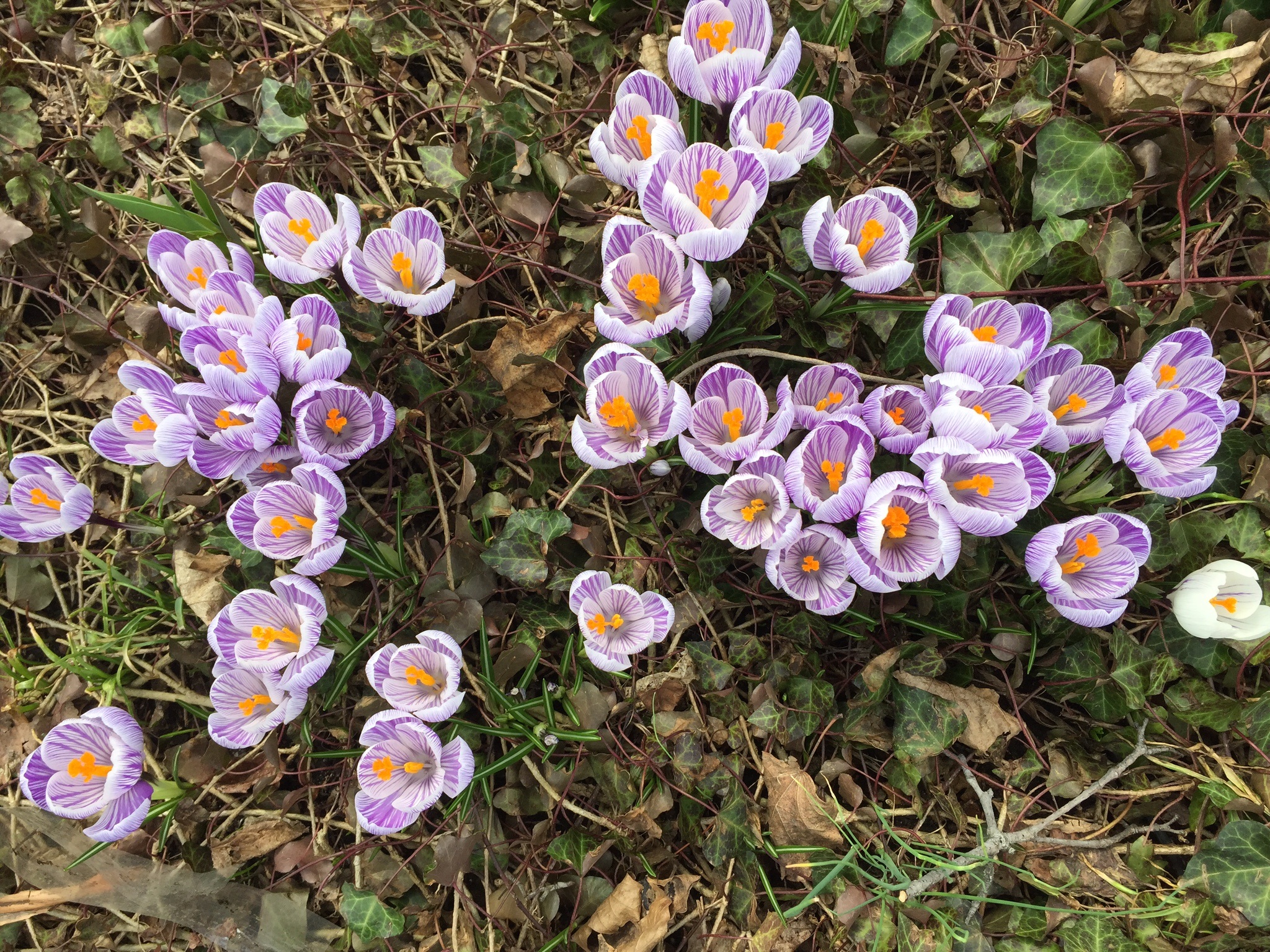
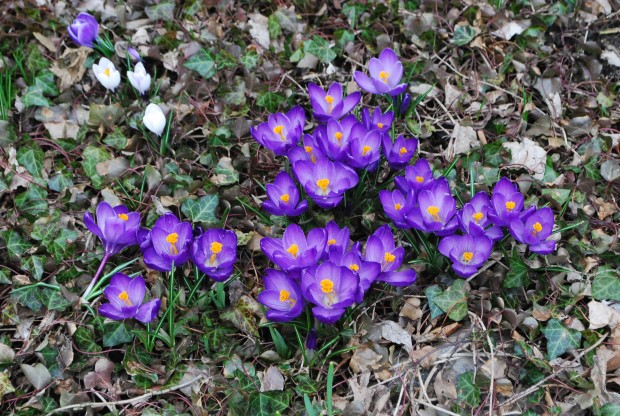
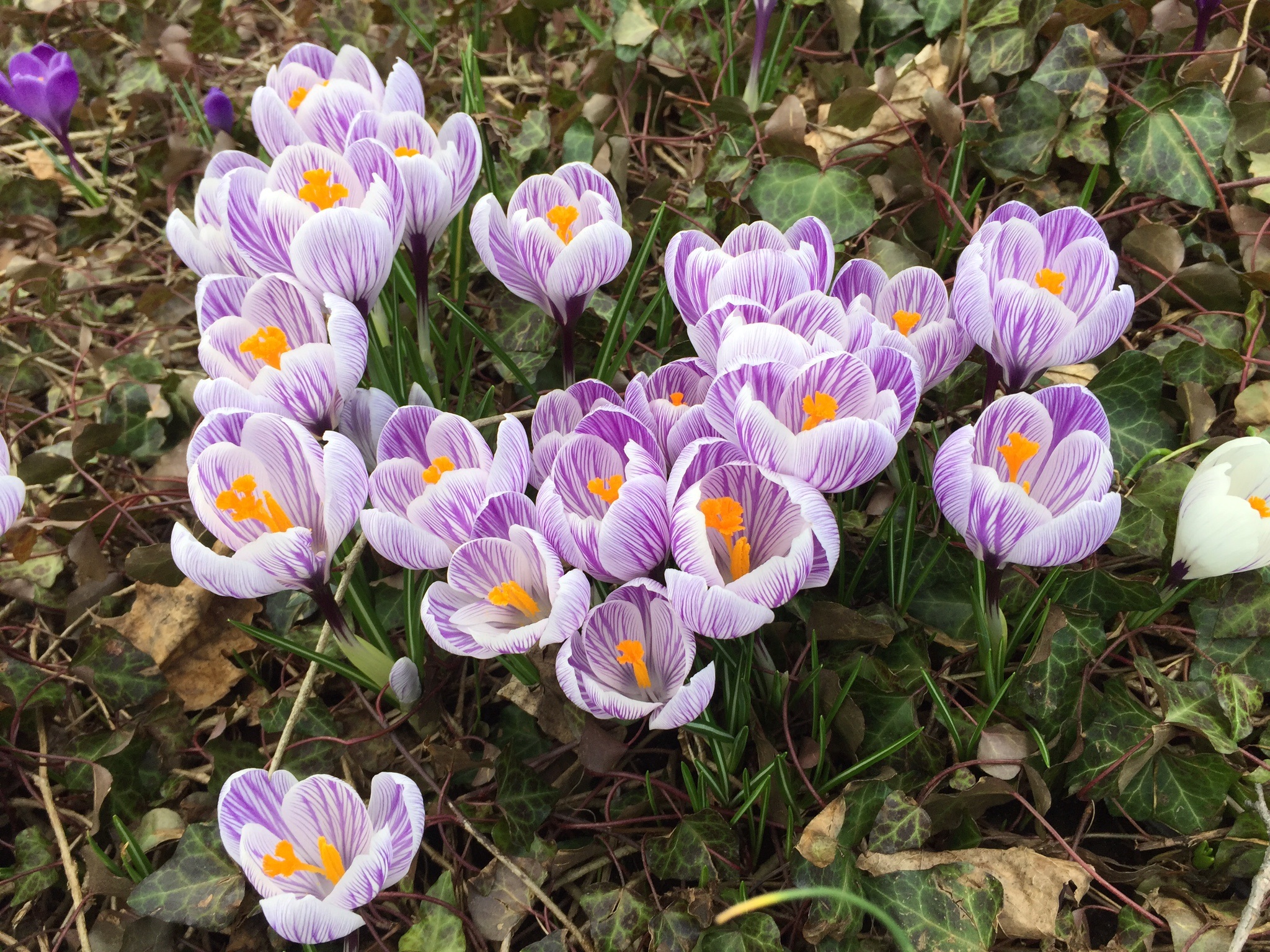
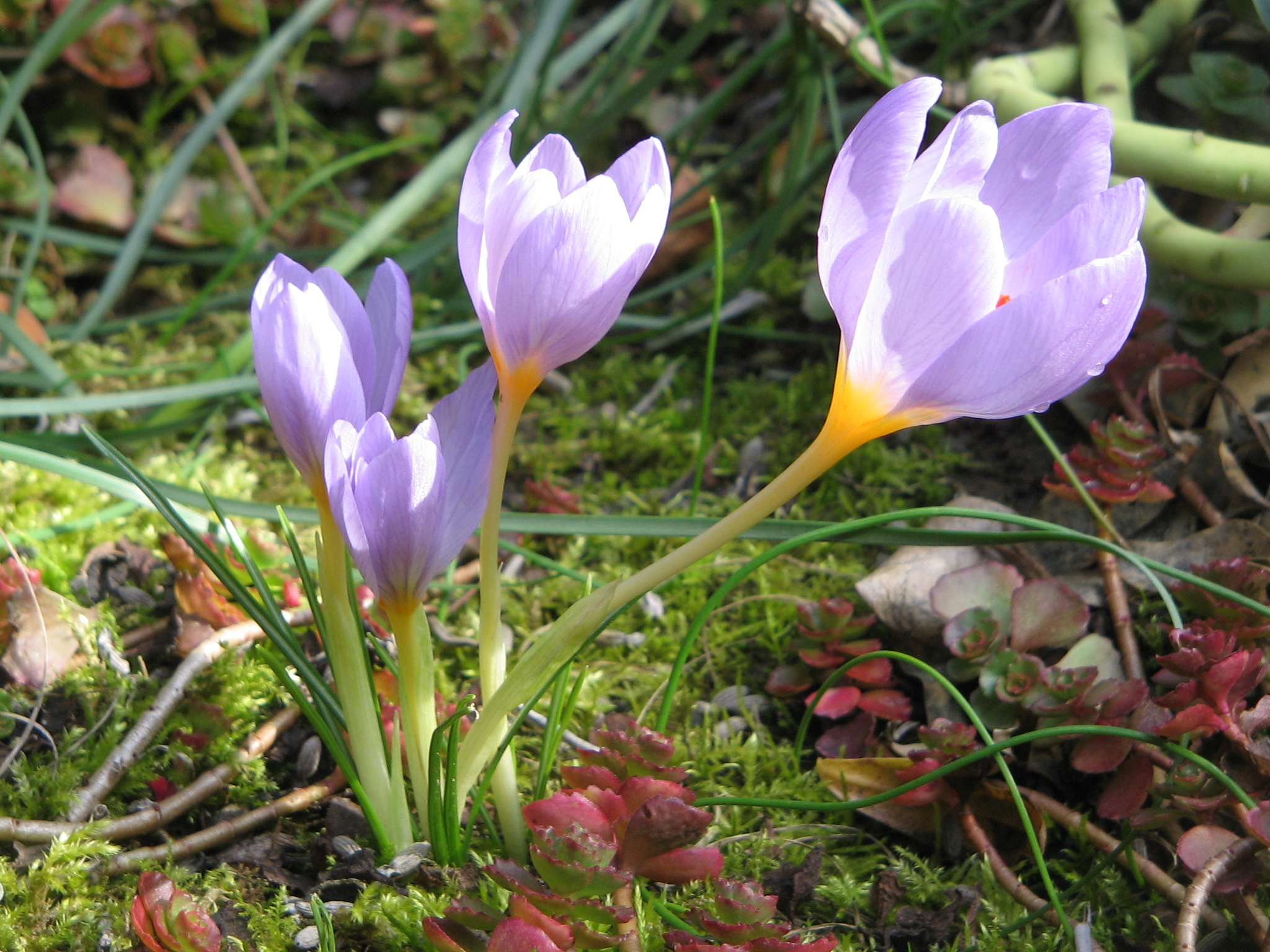
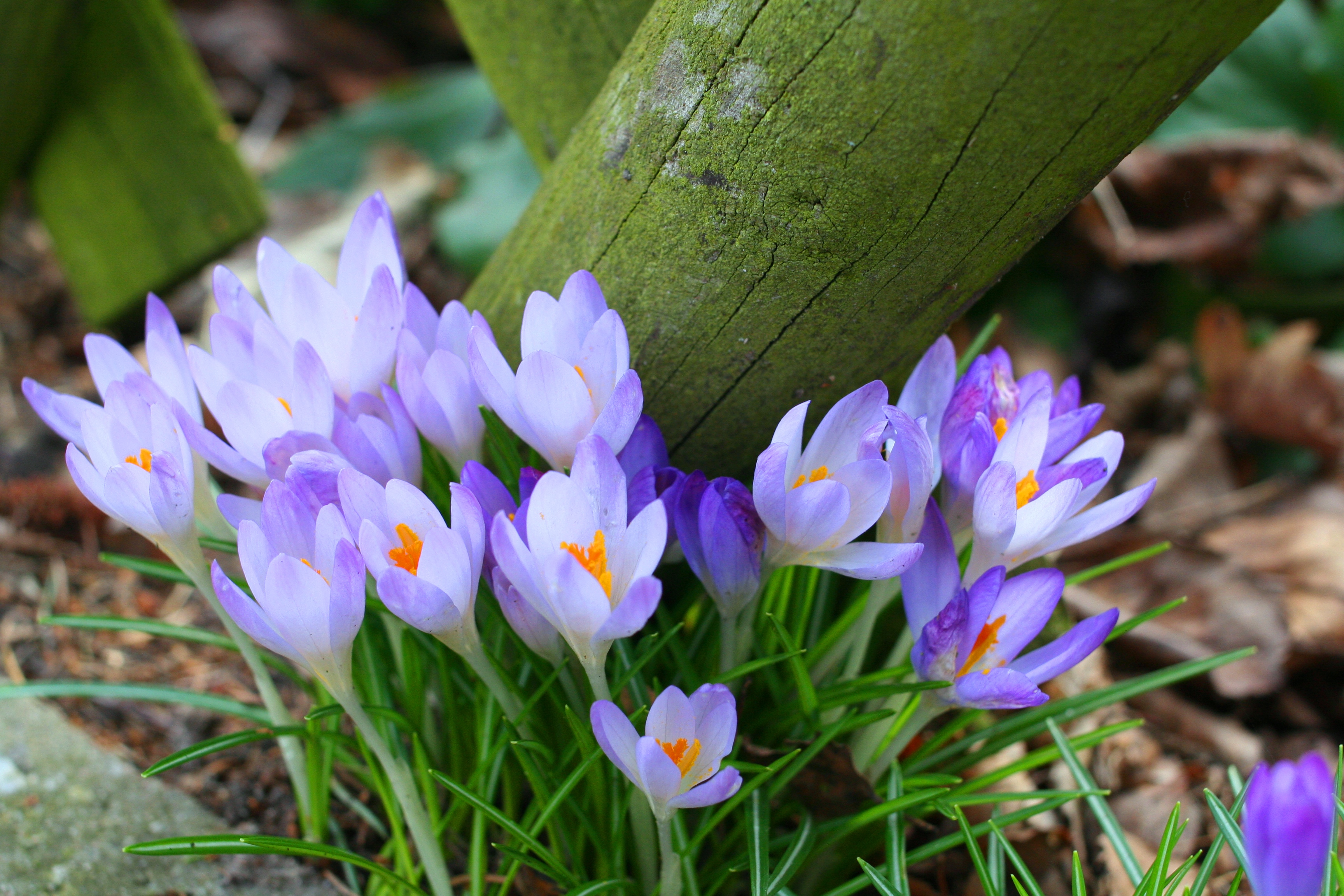
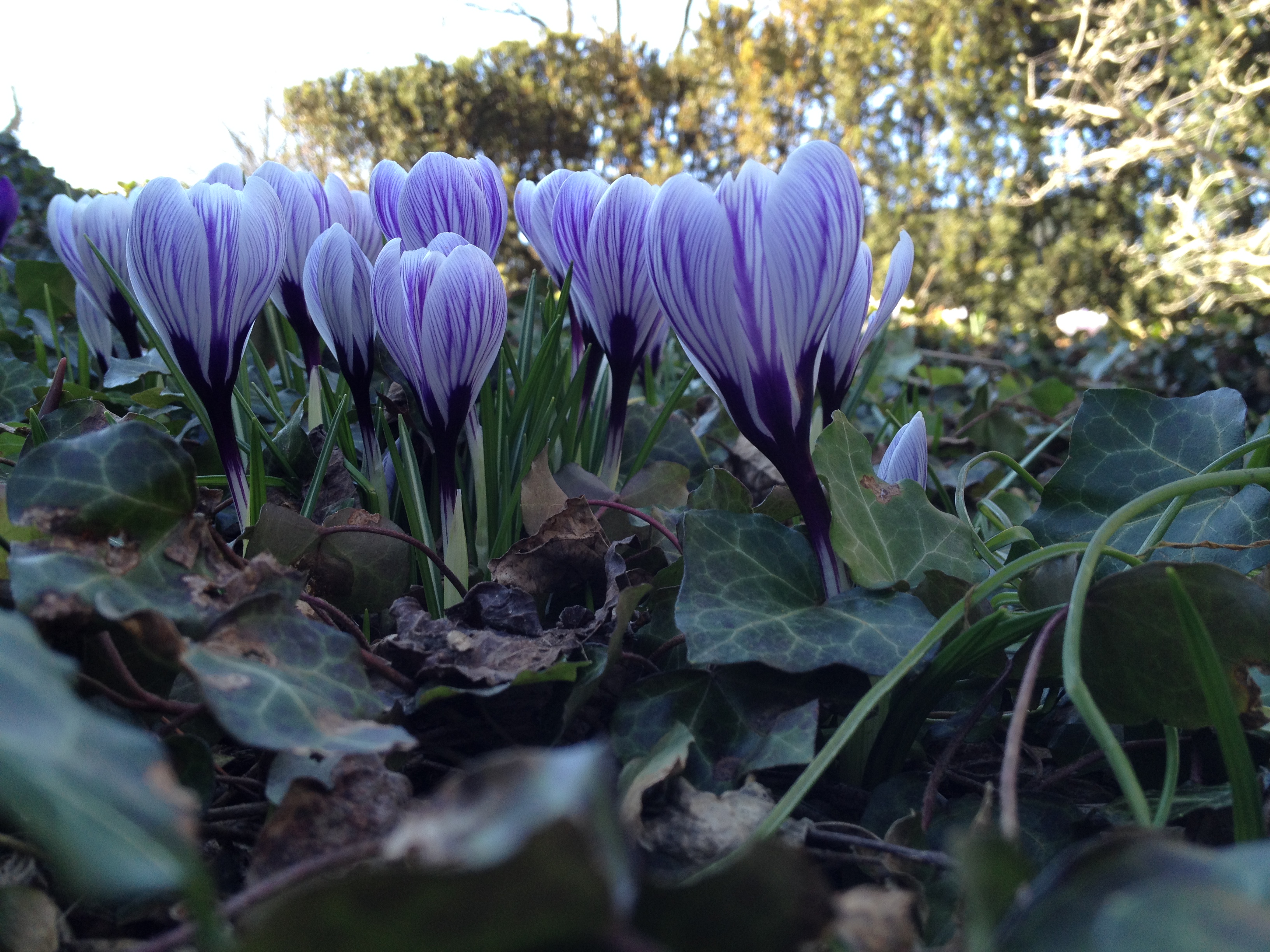
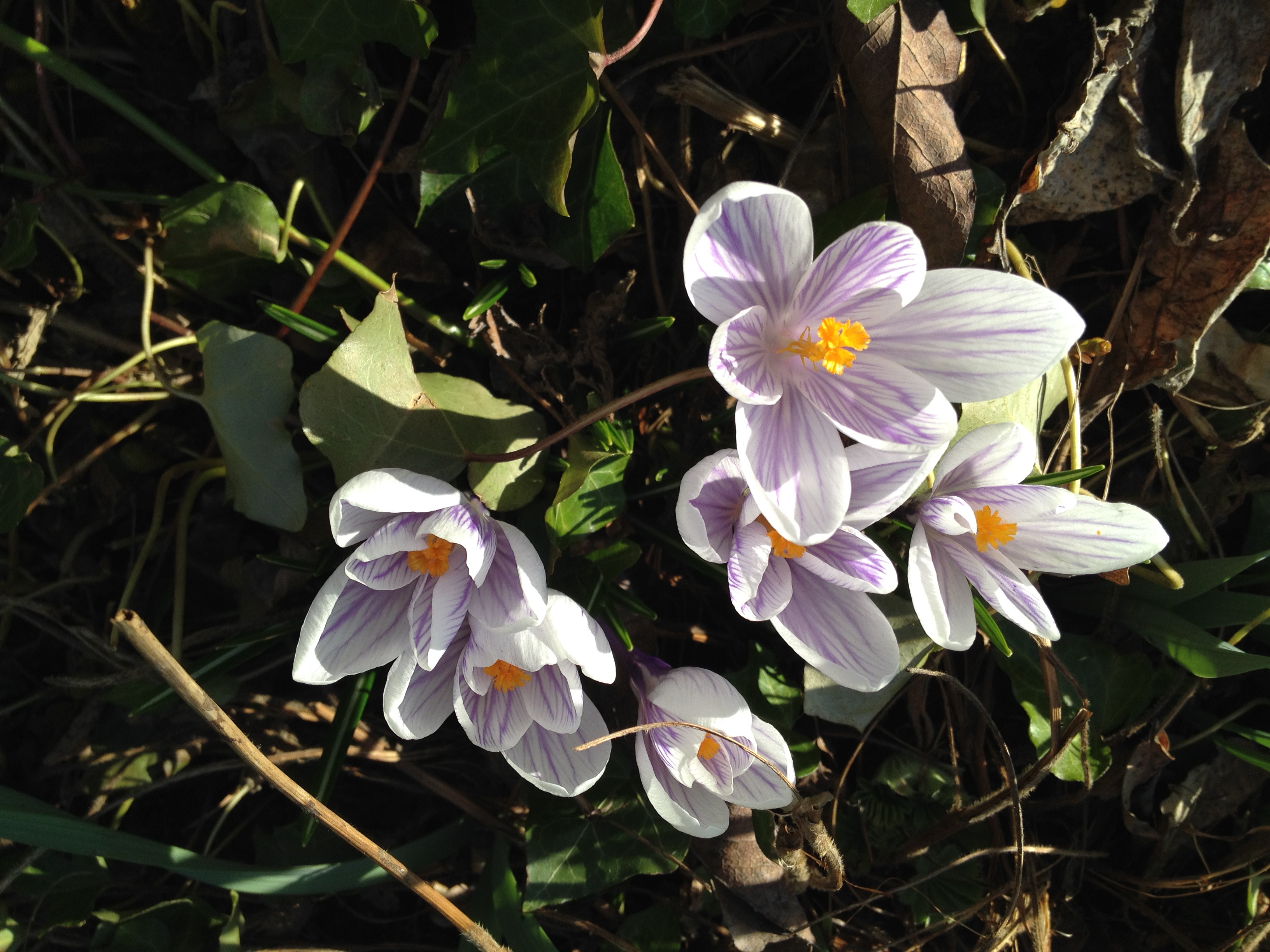
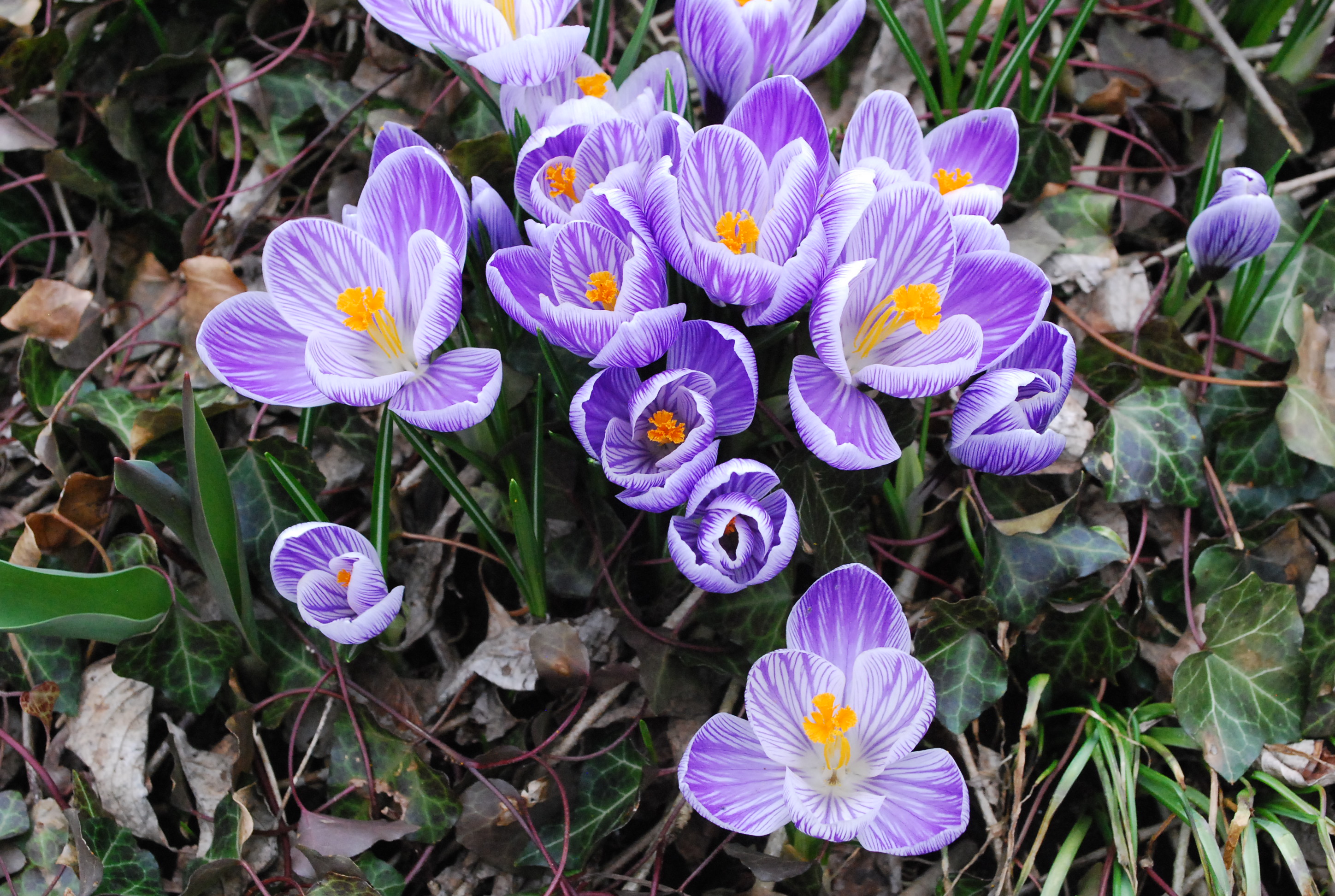
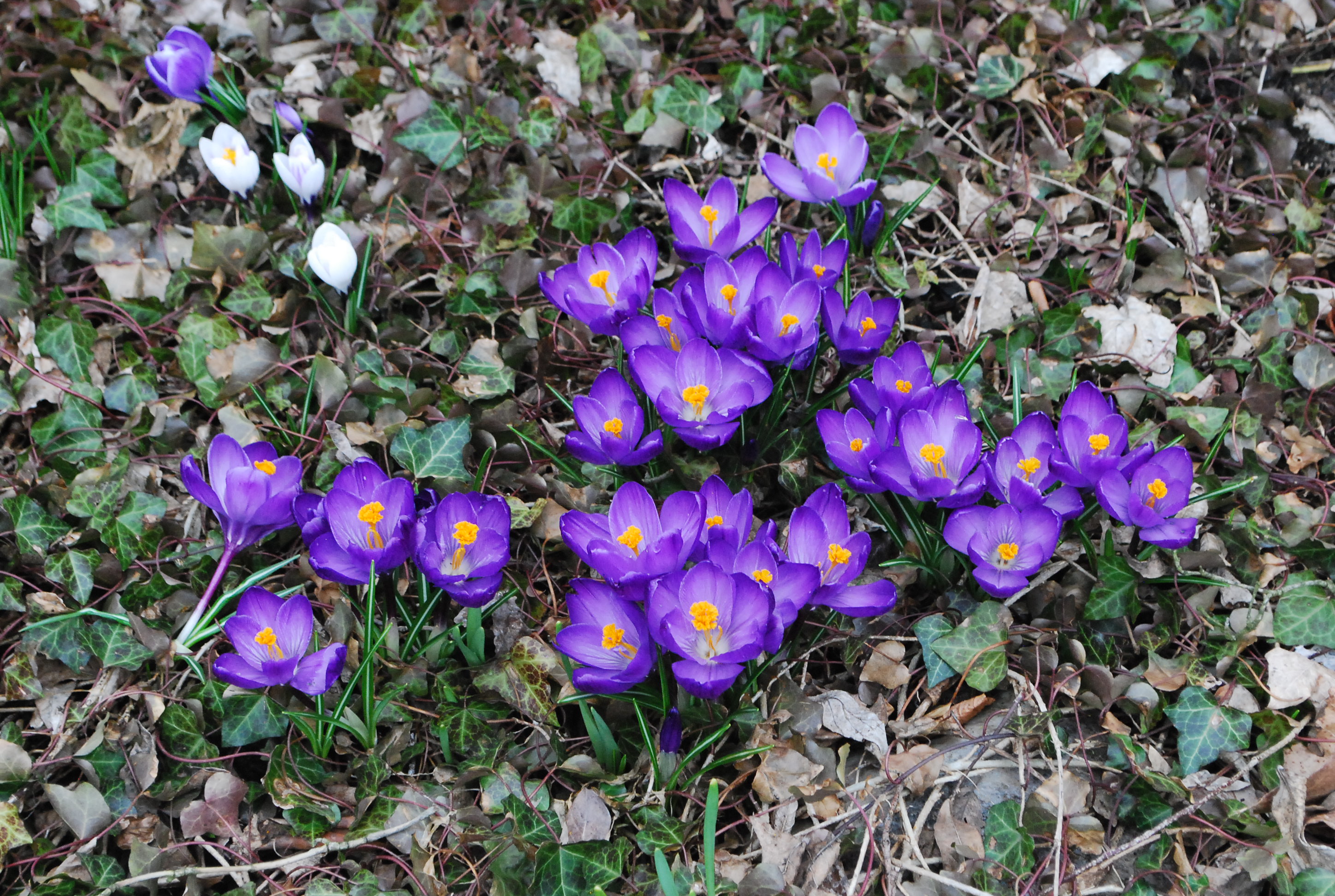
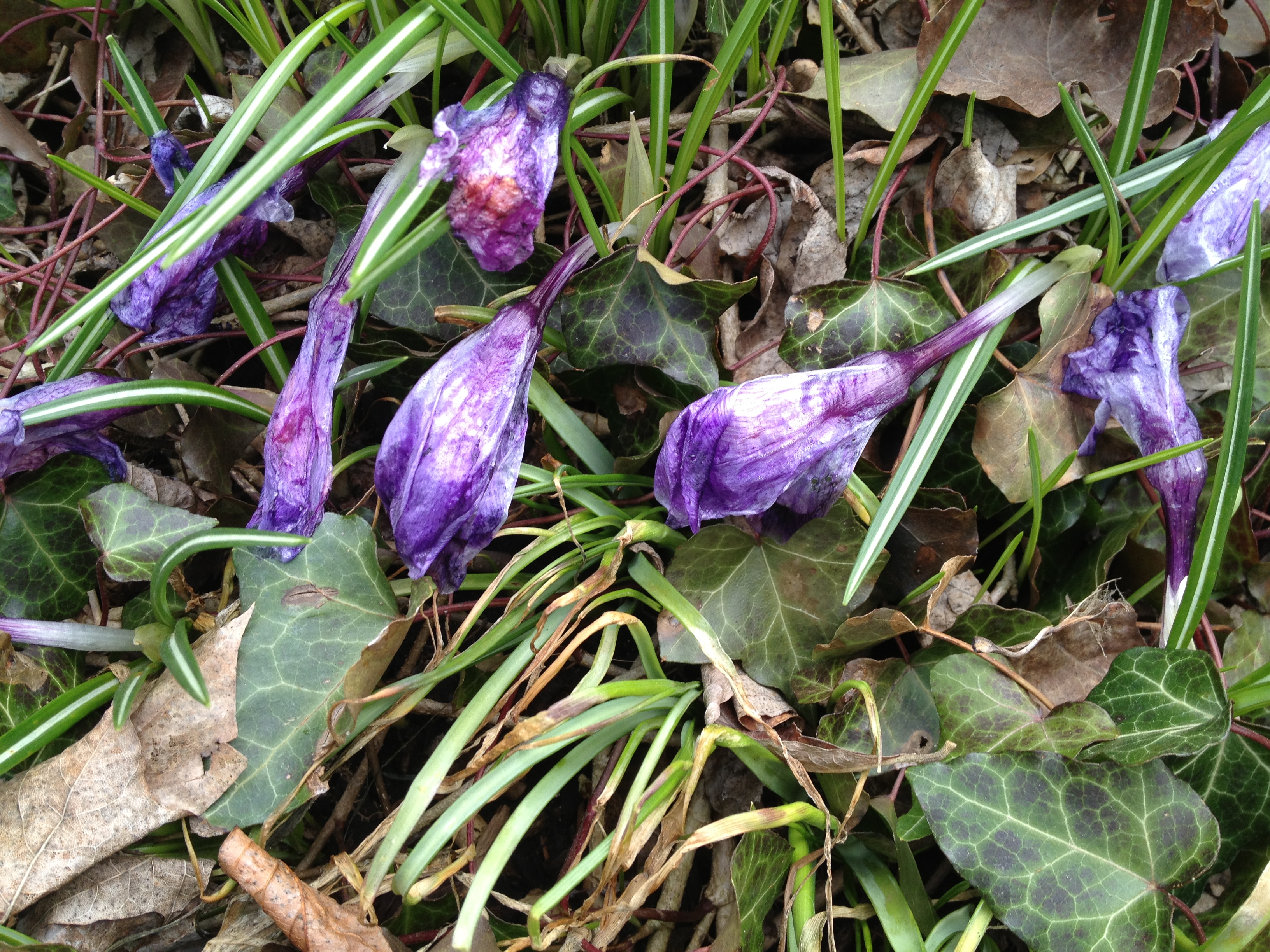
 My favorite spring preview is always about the crocus. These little bulbs produce the most amazing cup shaped flowers with brilliant yellow stamens in early April. Of course the best view is from down on the ground. In April, there is time for a little dallying in the garden. Bad weather in late March can lay waste to them, or shorten their bloom time to but a few days, but I would not do without them. The one March that bad weather destroyed the flowers before they even opened was a bad March indeed. I was not heartbroken. I was insulted. April is a preseason gardening time for Michigan gardeners. There is time to take a good look. Time to smell, see, and hear the garden coming to life again. The small spring flowering plants are many. Snowdrops and winter aconites come first. Pushkinia, anemone blanda, frittilaria species, scilla, leucojum, crocus – the list is long.
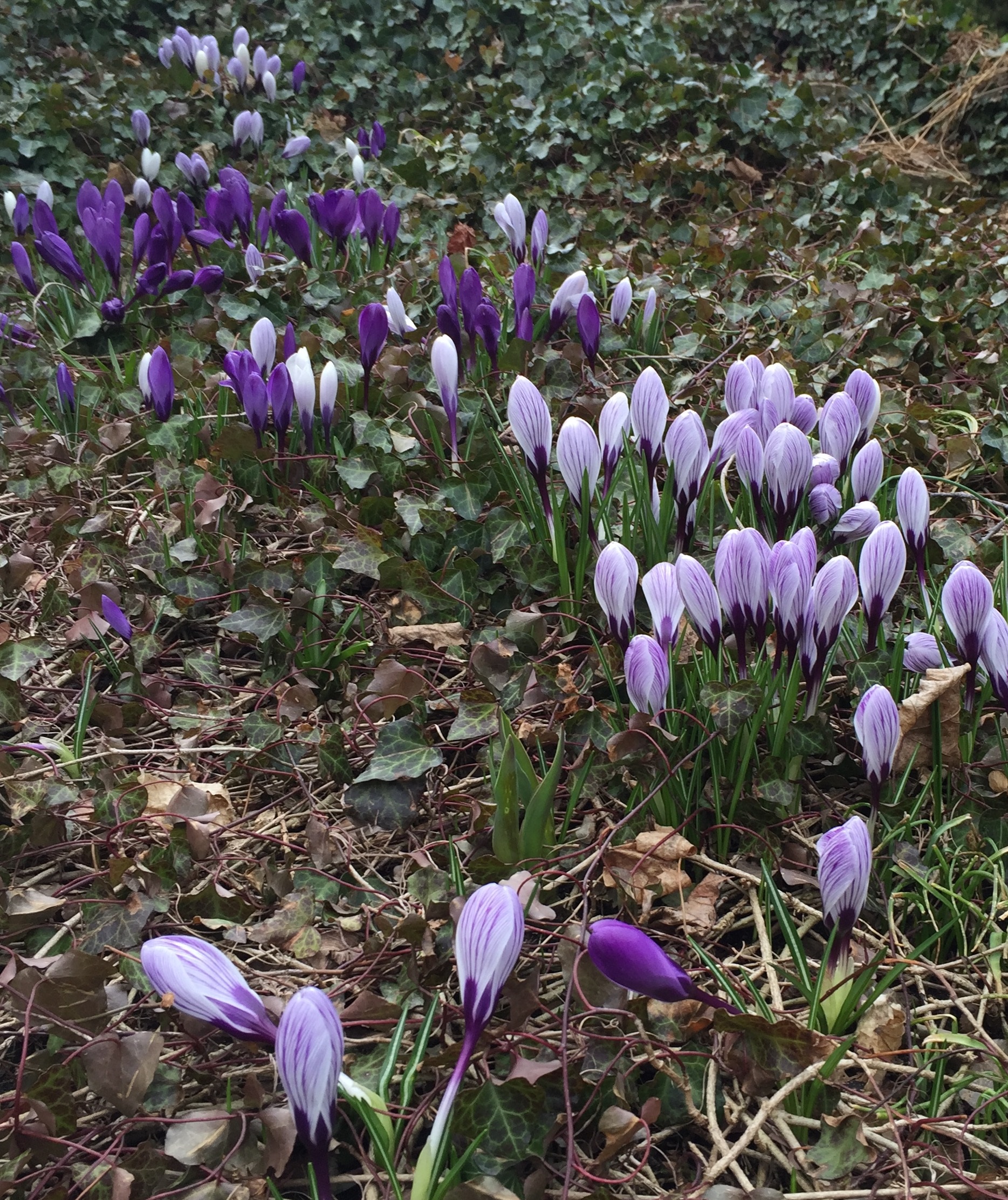
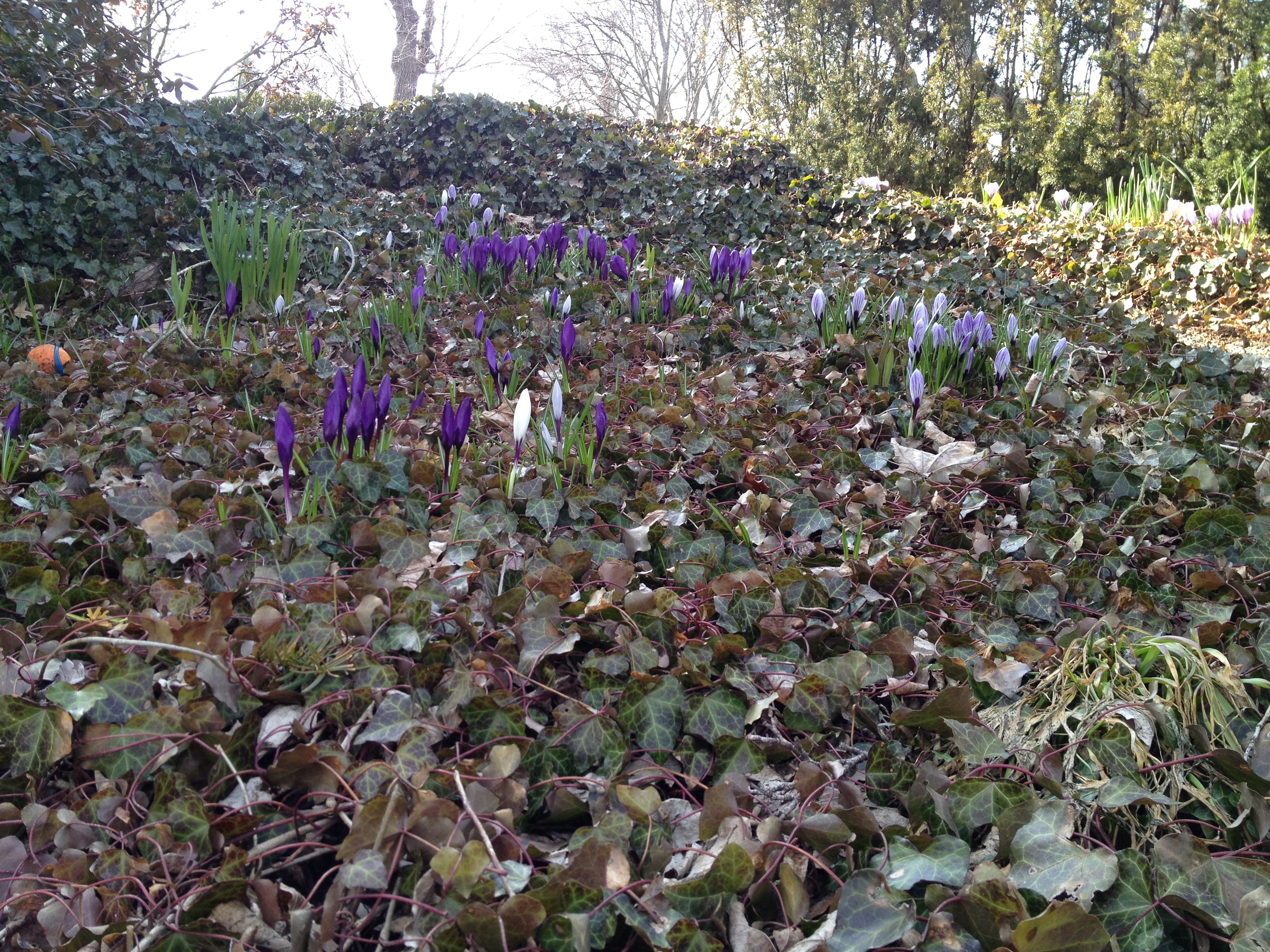
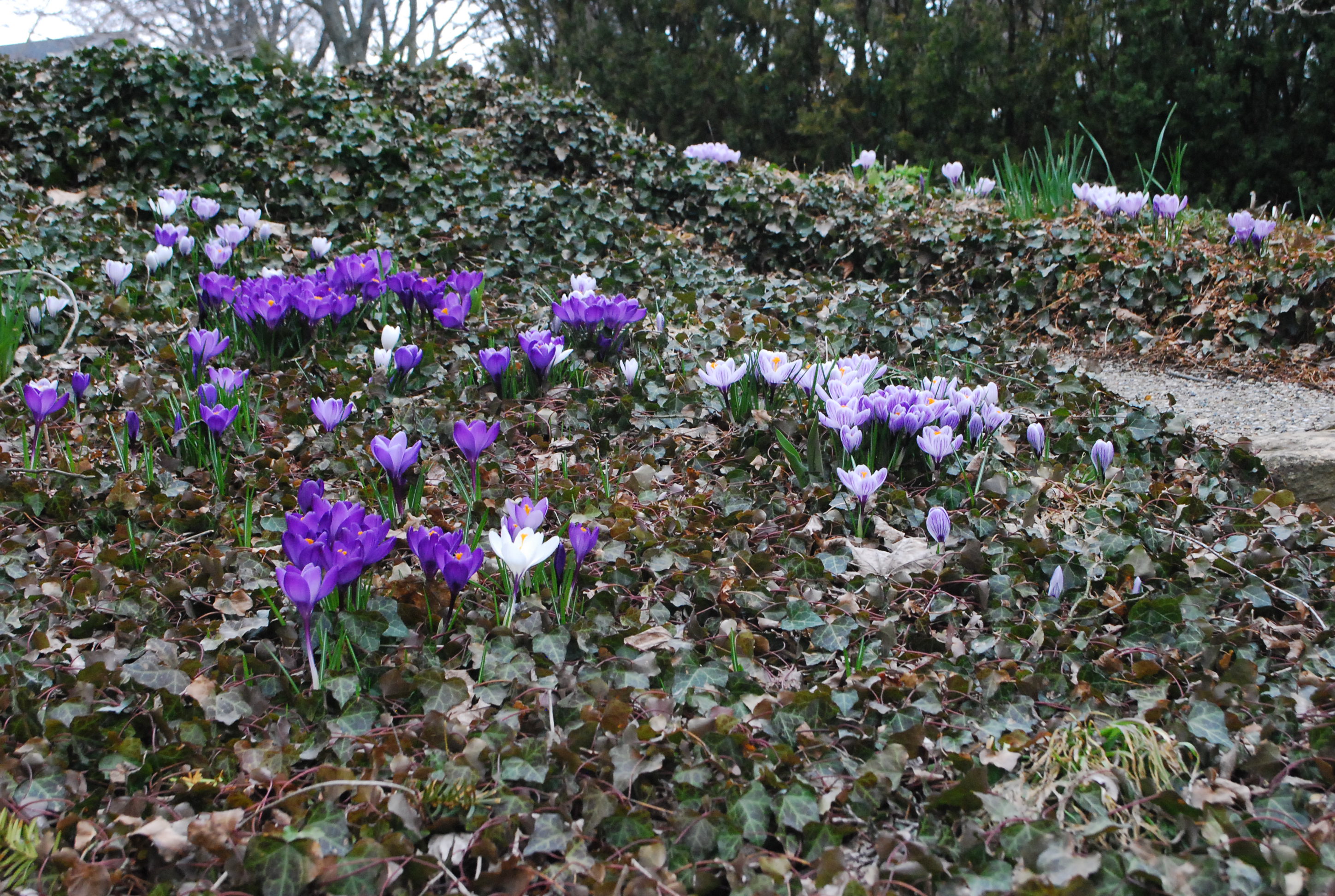
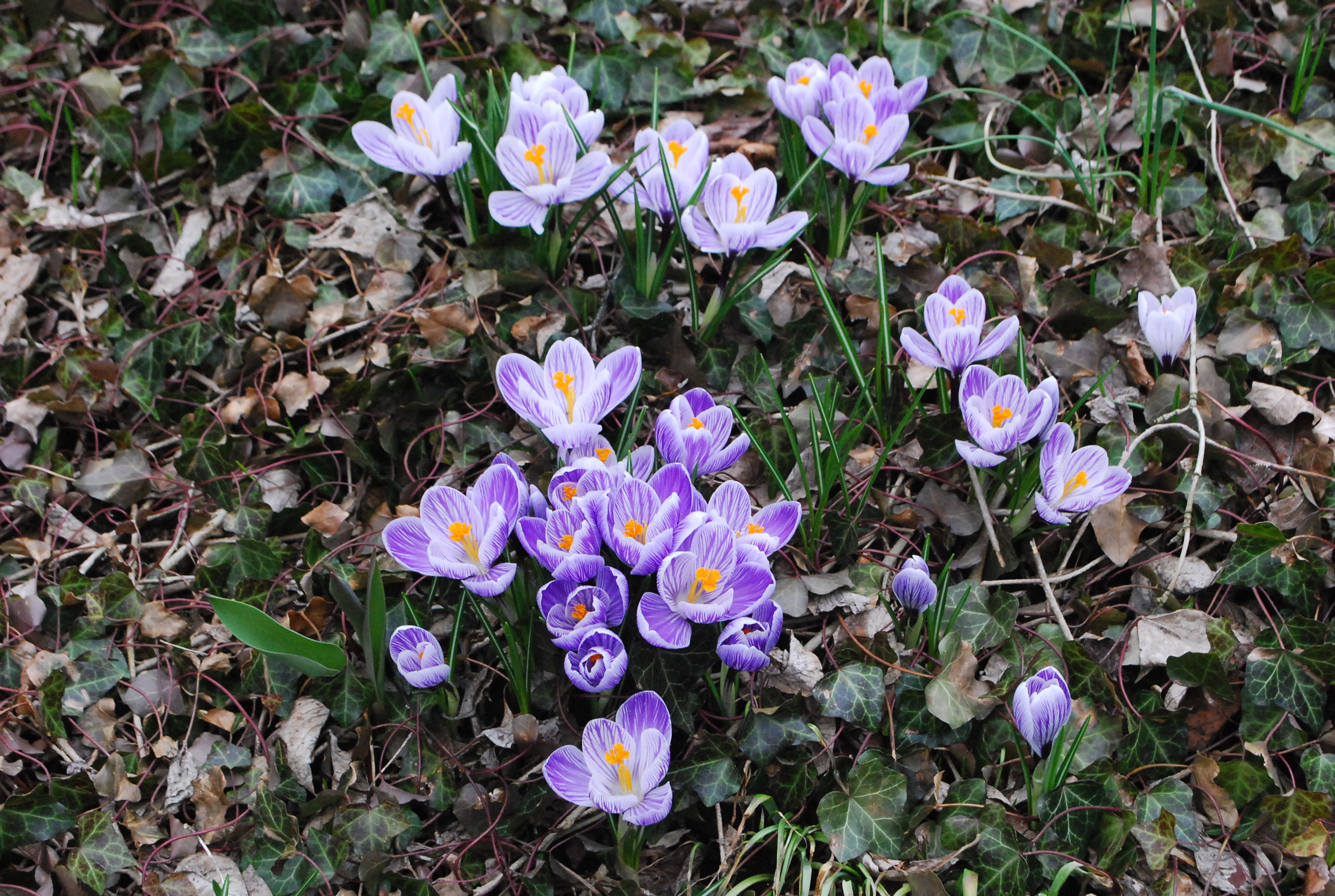
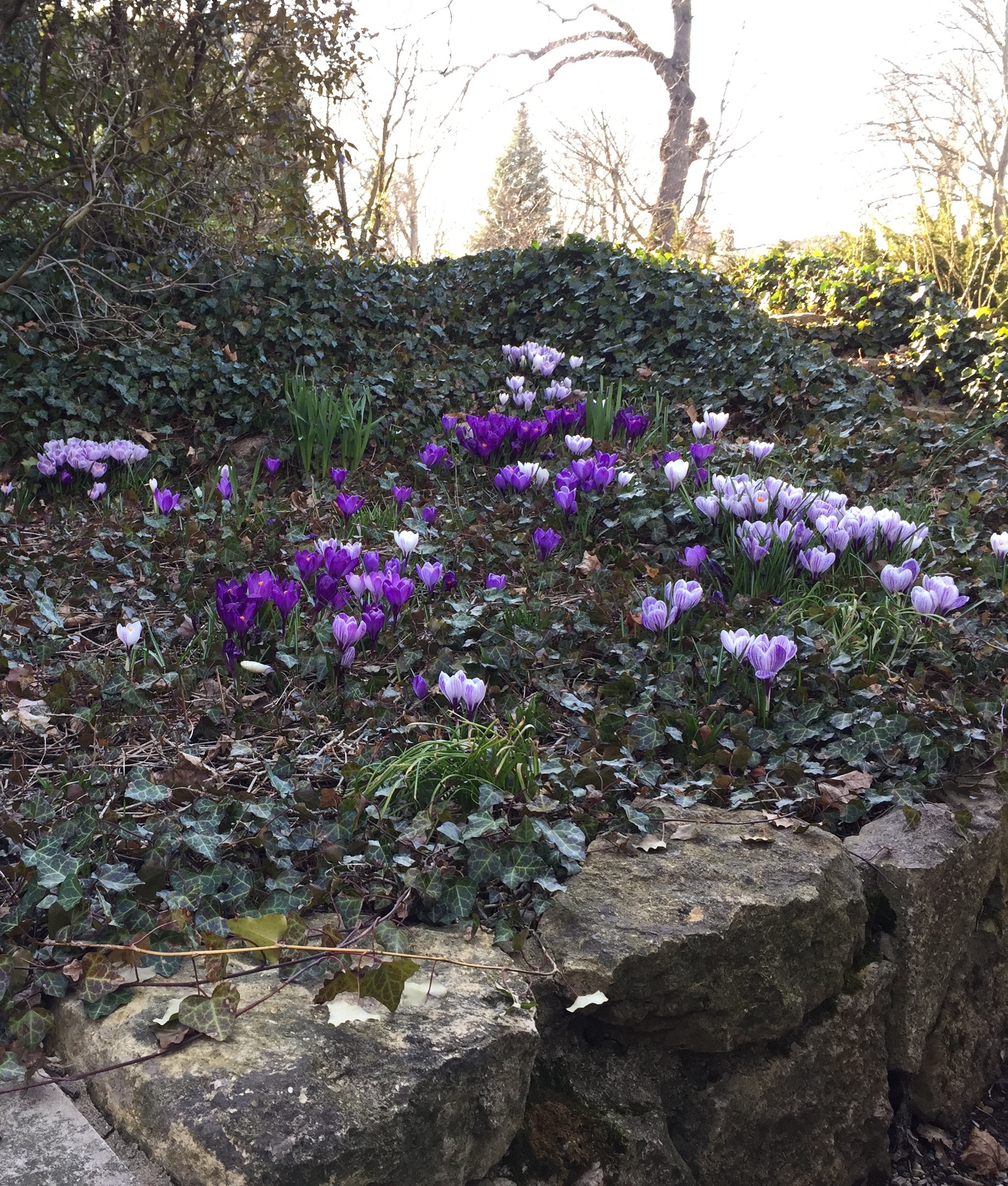 My crocus collection came with the house. 20 years ago I probably had 5 plants in bloom. They have increased at a leisurely rate, and now put on a fairly respectable show. This is nothing like visiting the Netherlands at bulb blooming time. It is a quiet April moment in Michigan.
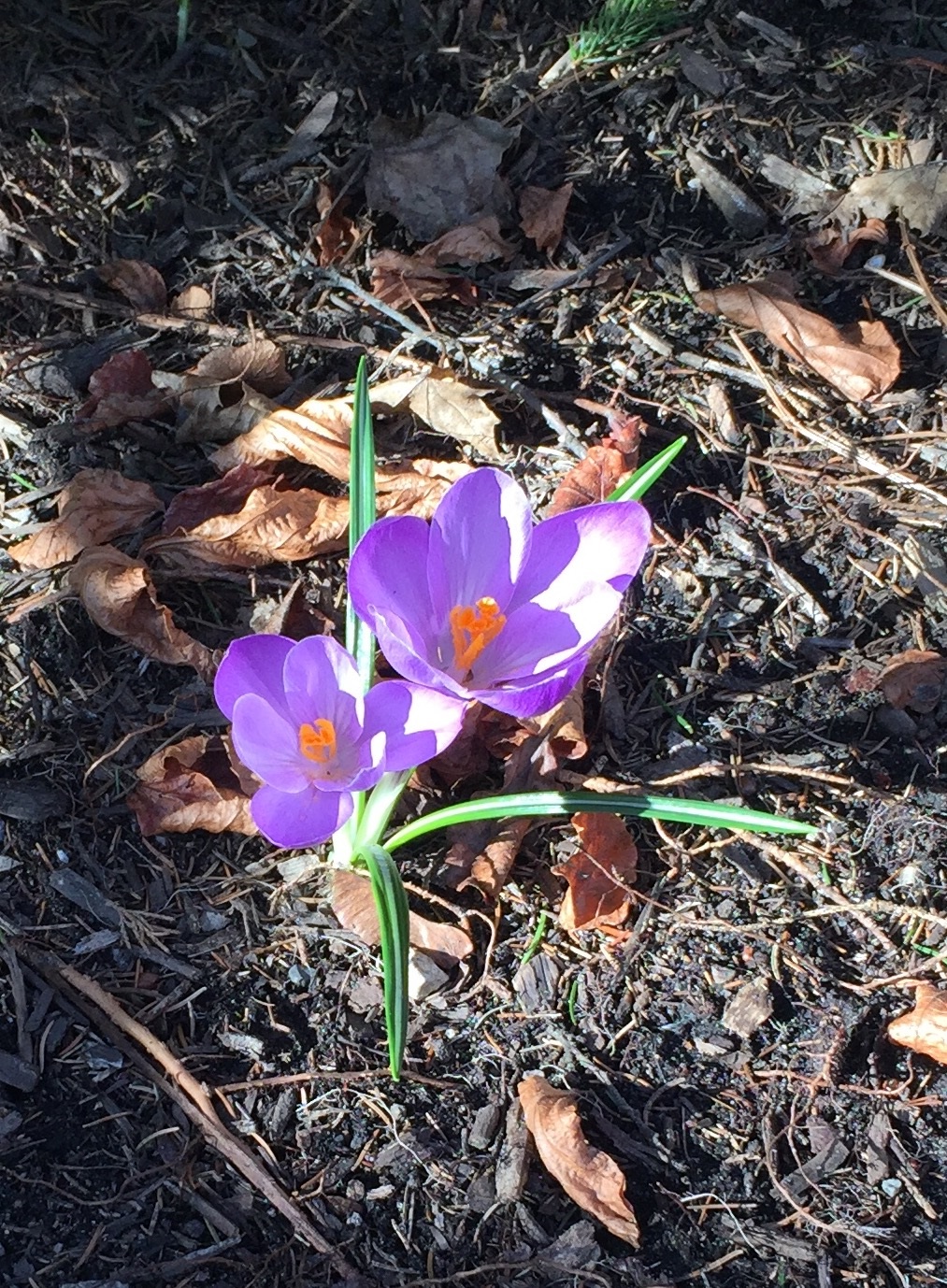 a sunny April day with crocus tommasinianus in bloom
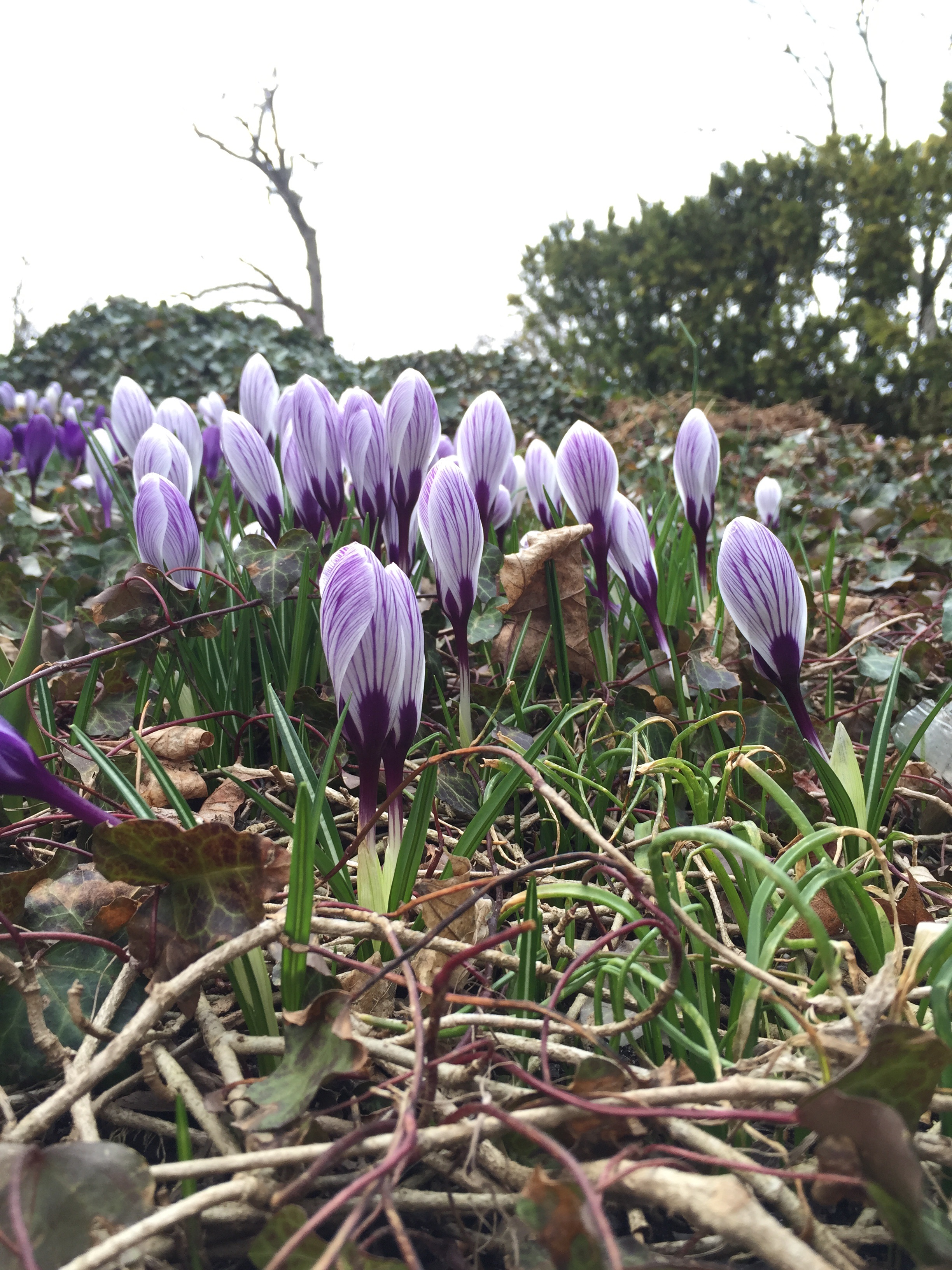
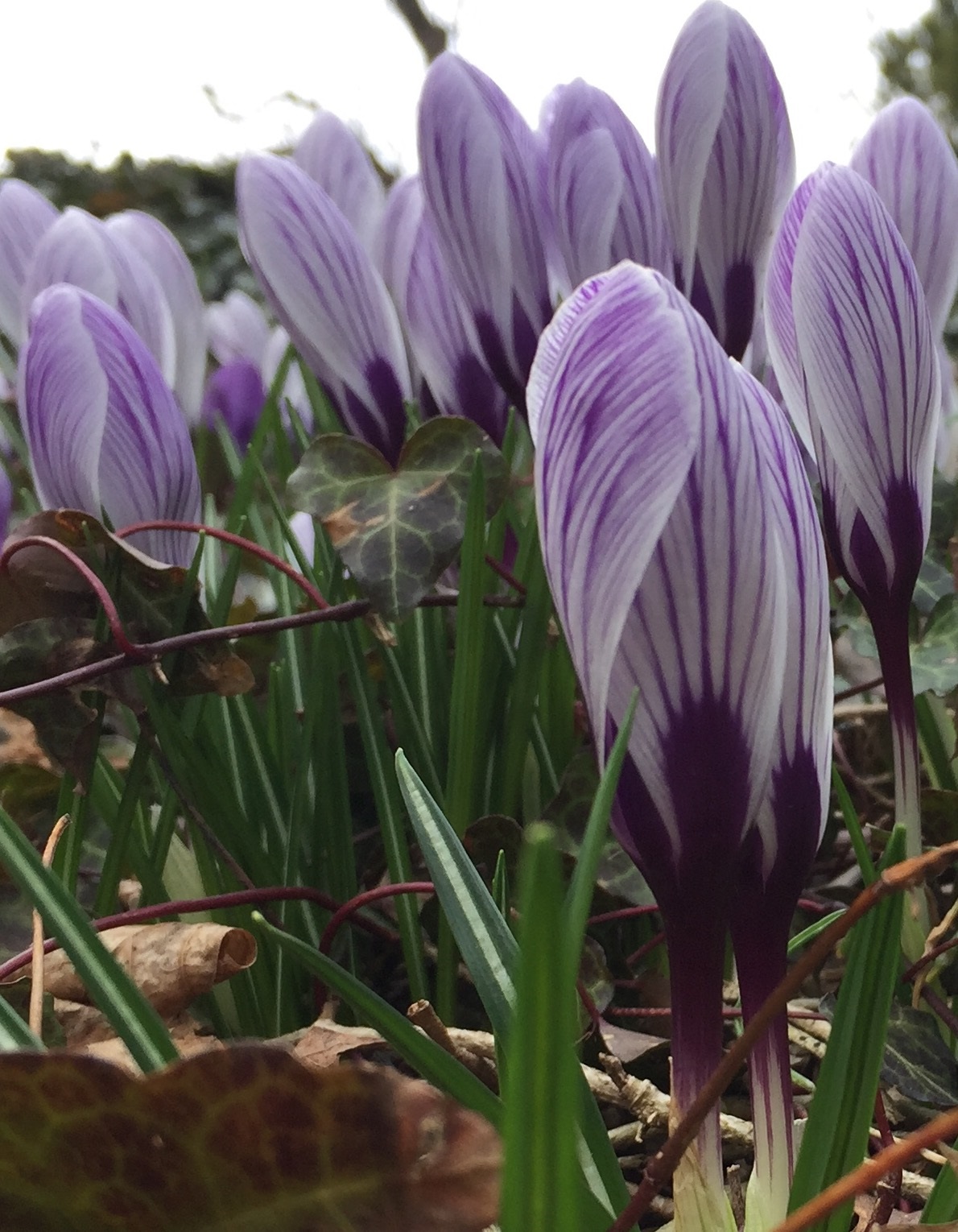
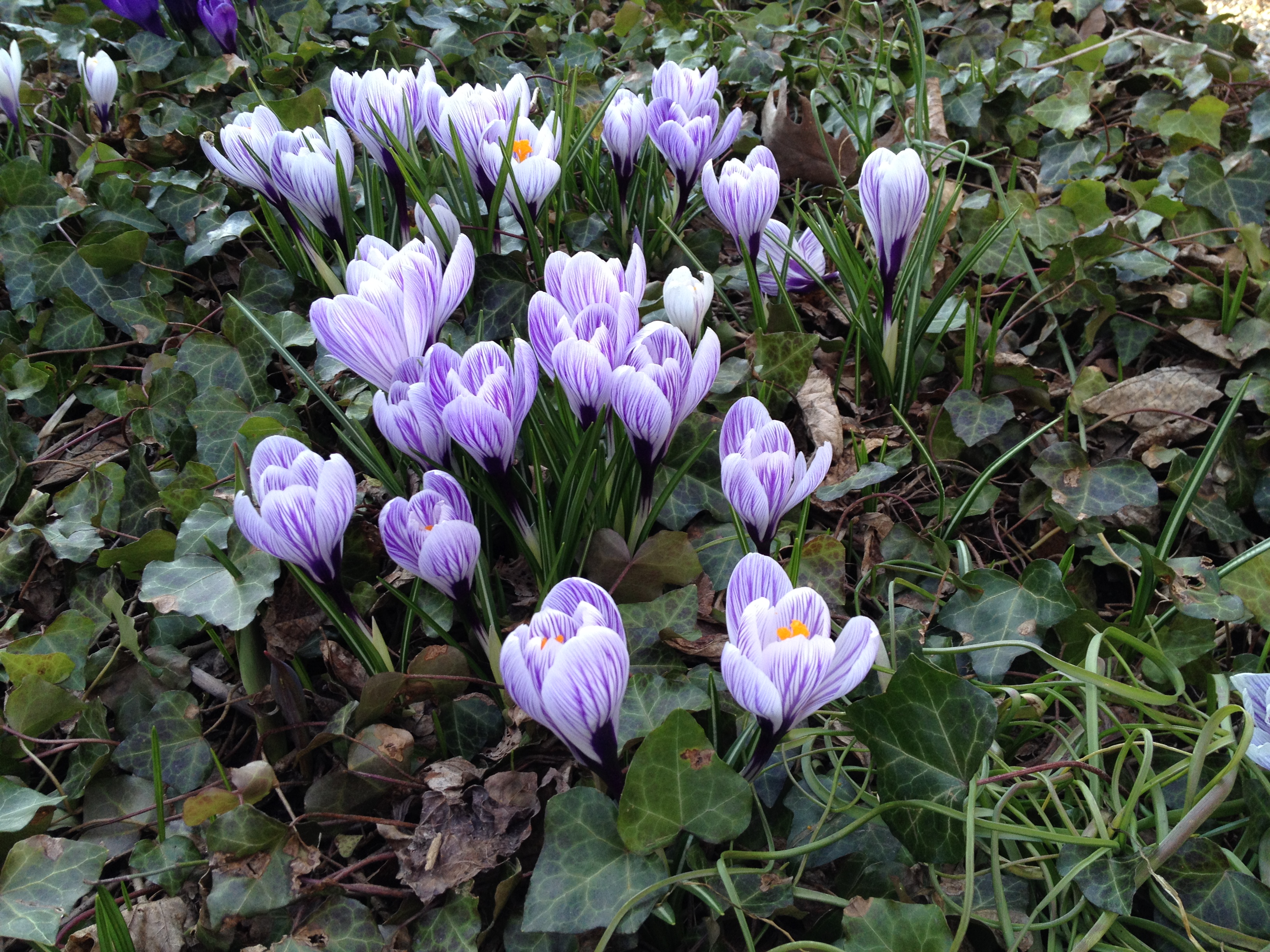
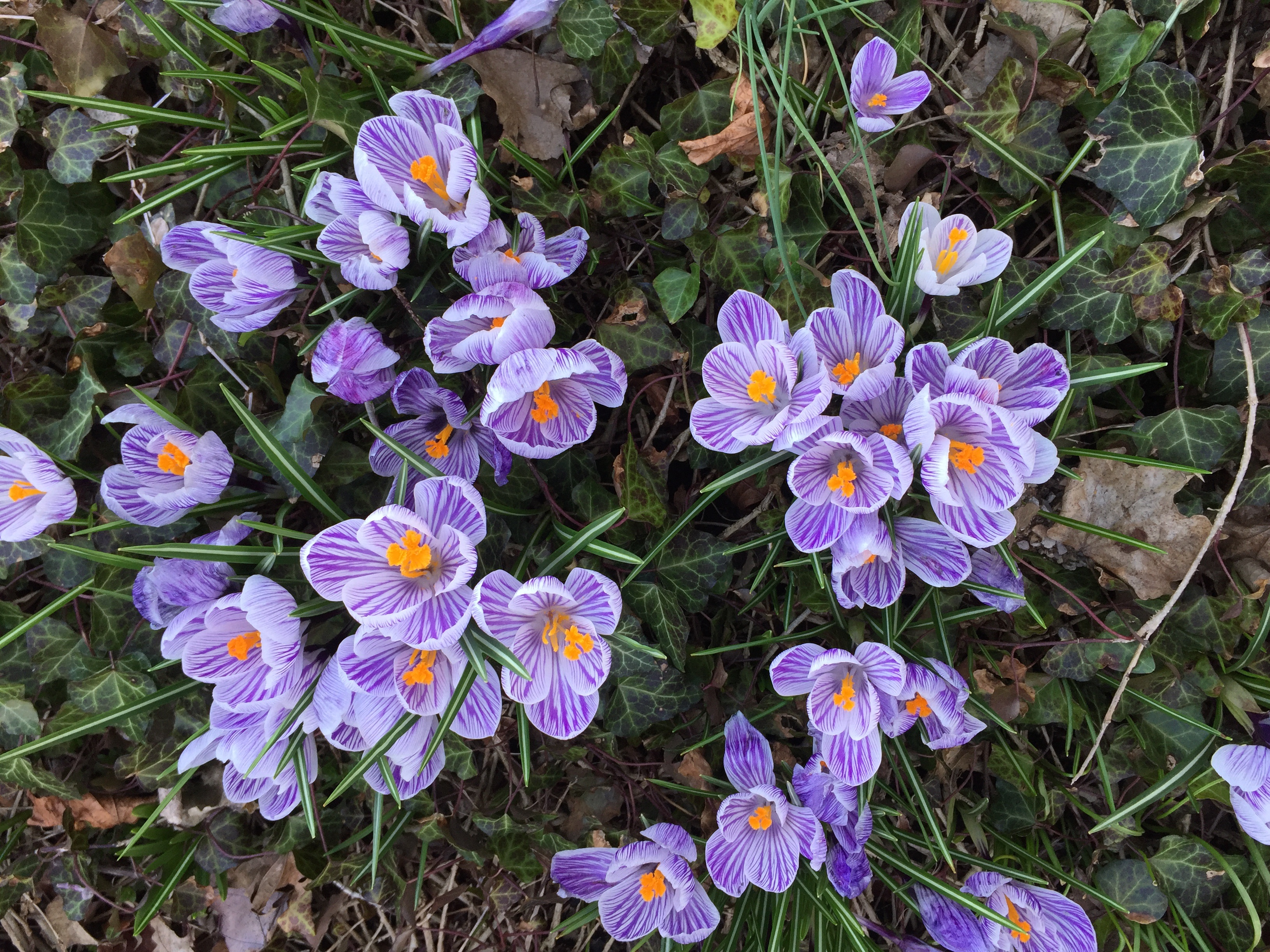 Pickwick crocus
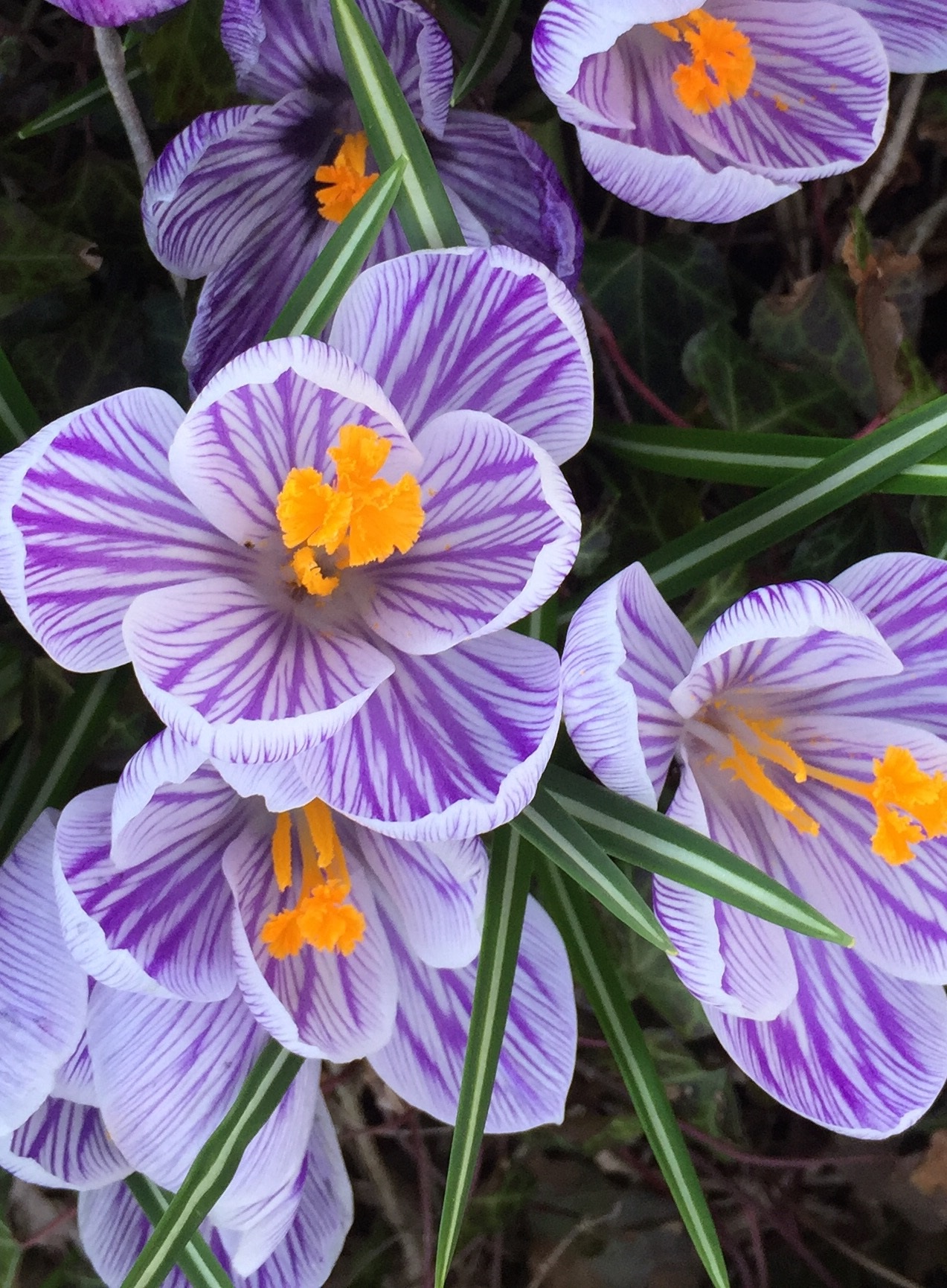 the Pickwick’s up close
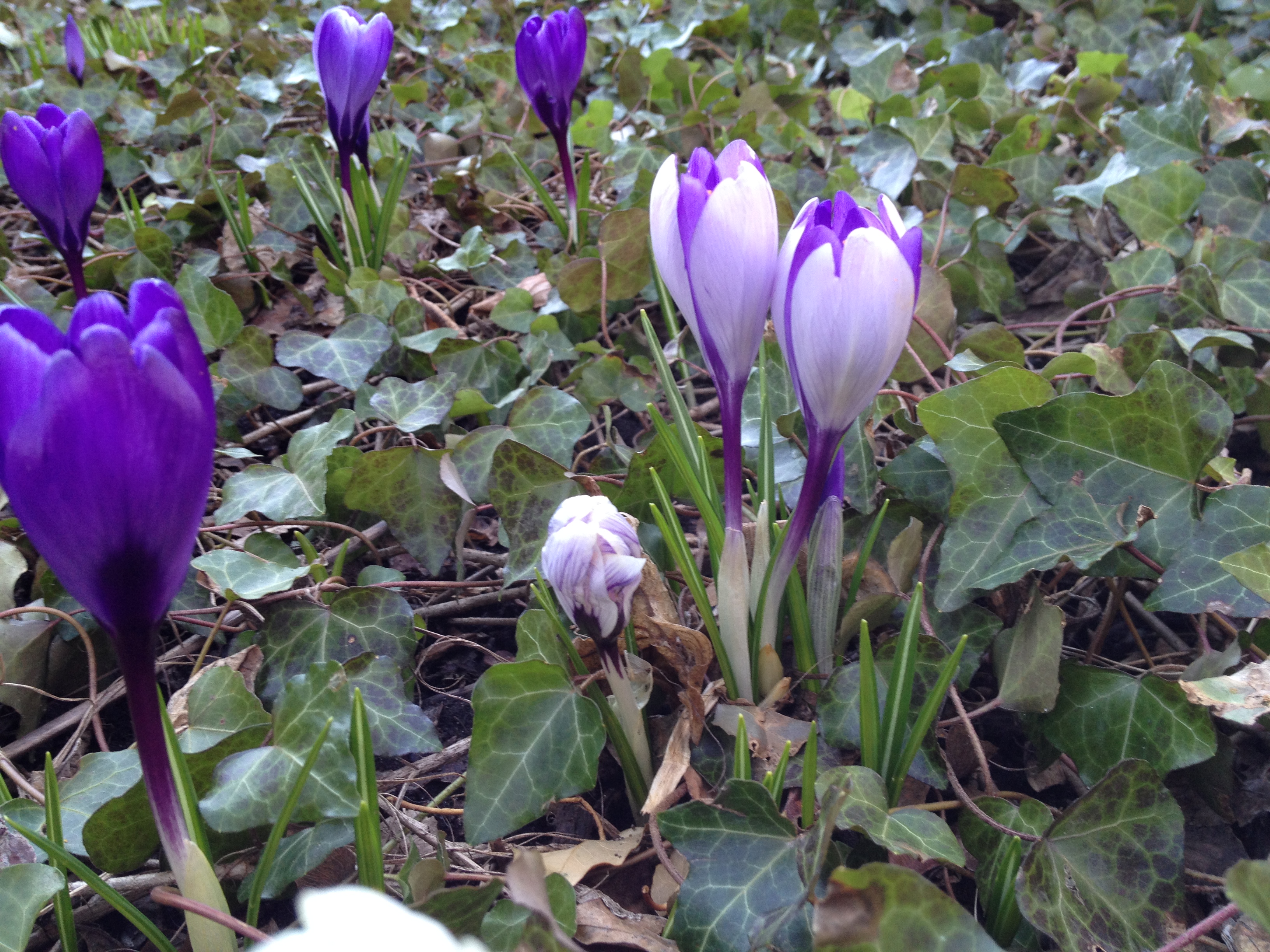
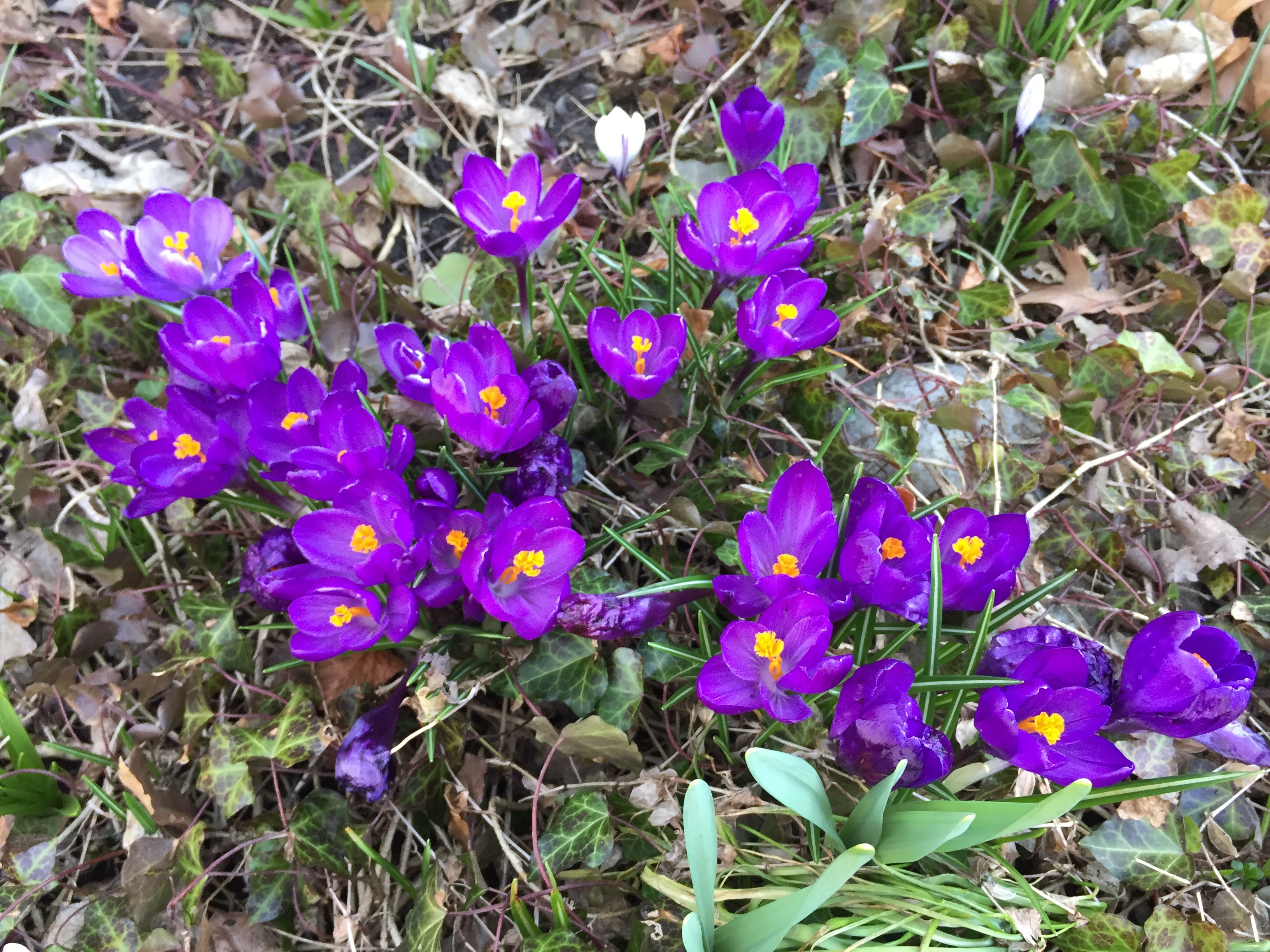 Giant Dutch purple crocus
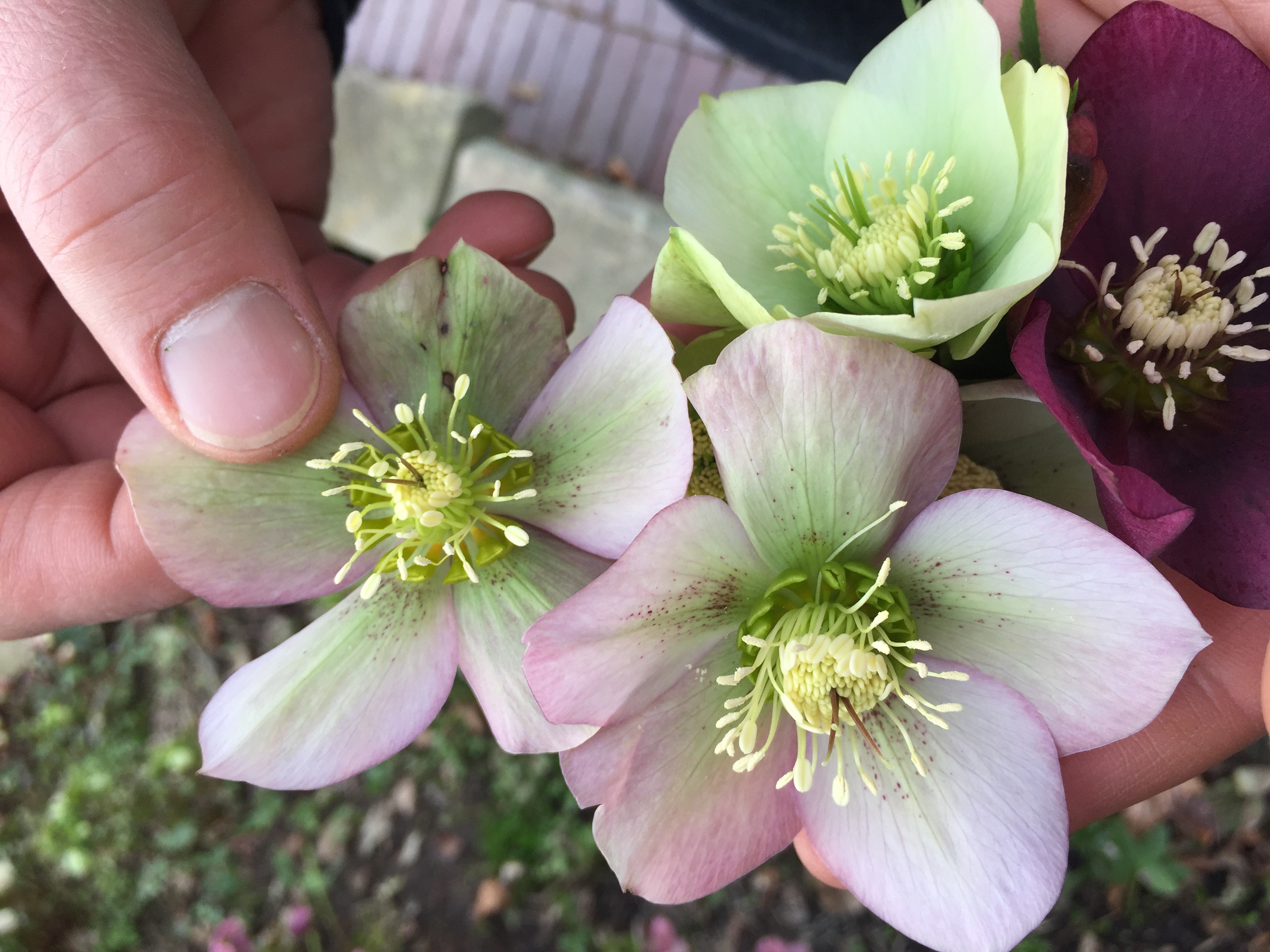 Of course no discussion of April in Michigan would be complete without some reference to the hellebores. Mine are just coming on. The flower stalks are tall and arching. The flowers themselves are modest in appearance, as most of the flowers are nodding. Pick a hellebore bloom, and turn it right side up in your hand, and be enchanted.
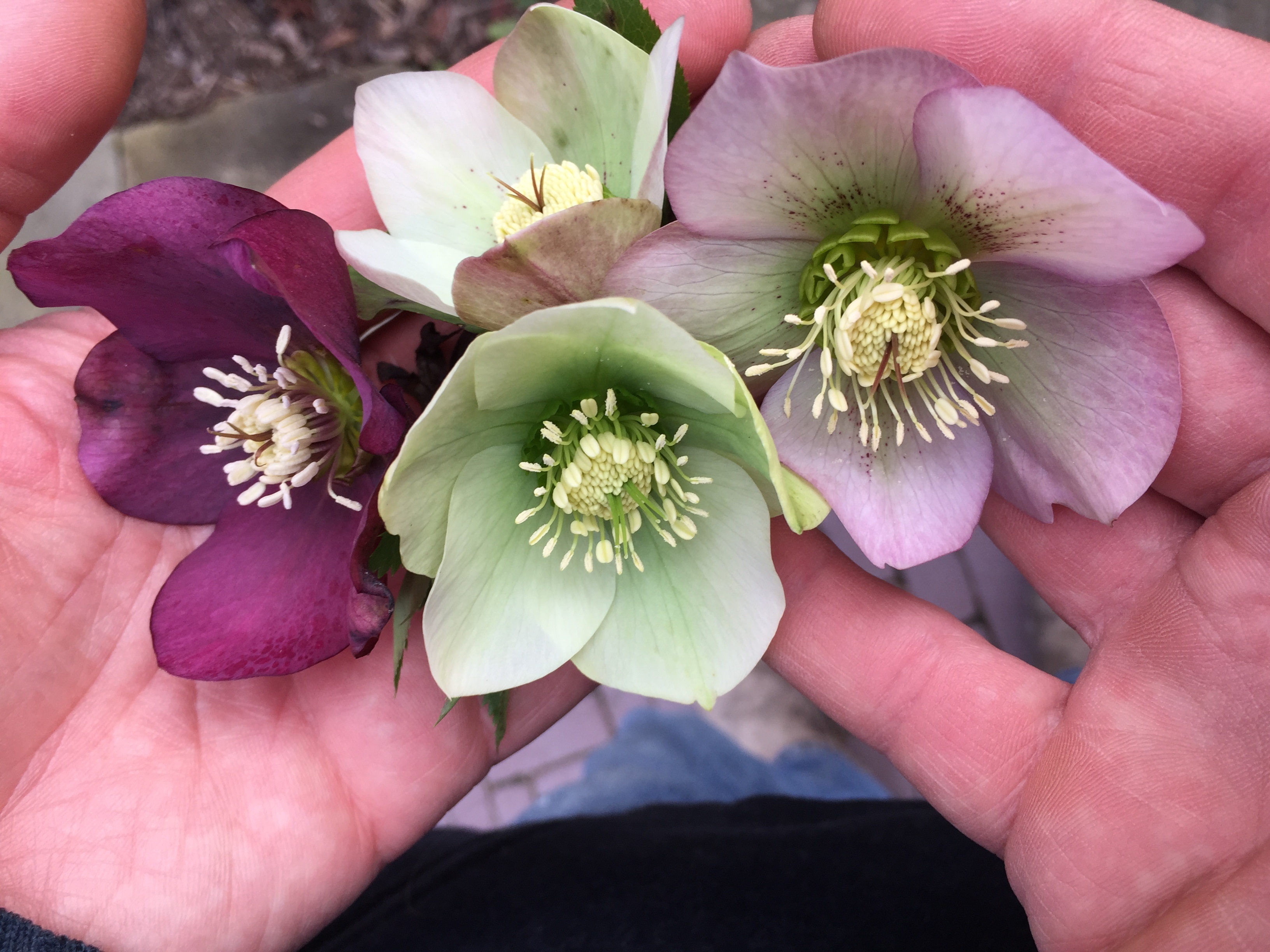 I know exactly why I devote lots of space in my garden to hellebores. The plants are sturdy. The foliage is glossy green the entire gardening season. Properly sited, they require next to no maintenance. Clumps 20 years old are not unusual. I so appreciate that they begin blooming in April. Their early spring appearance affords me the time to truly appreciate them. My April is not usually about the work of the garden. It is much about anticipation.
 I might routinely anticipate the beauty of my April garden, but the bigger reality of this year’s pre-spring moments is always a unique experience. An experience that is not especially showy, and not particularly vocal. April is a a kind of quiet that draws gardeners up to a fire of slow heat. I would say that the April garden in our northern zone is a meeting of the early spring plants, and the caring hands of the gardener in charge. Every year in April, I find reason to celebrate this relationship. Welcome, spring!